





What's Happening?
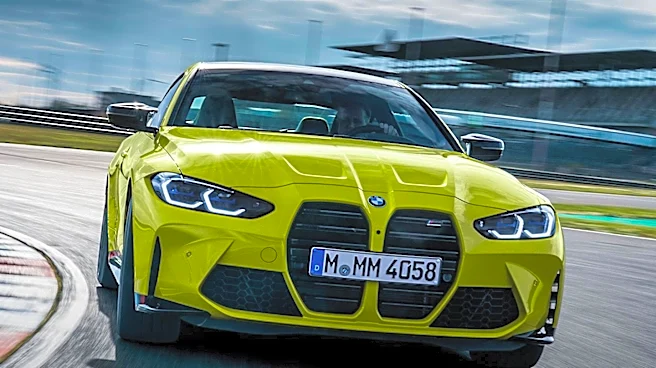
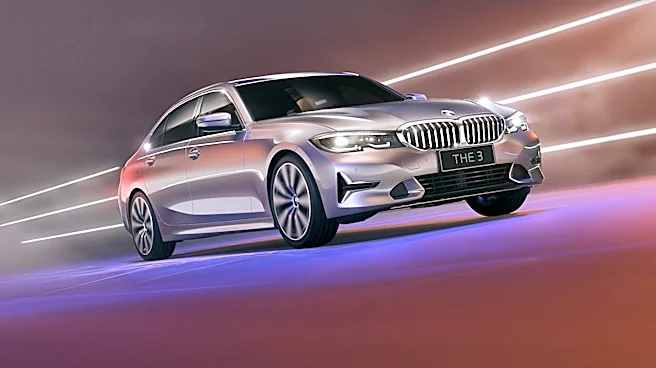
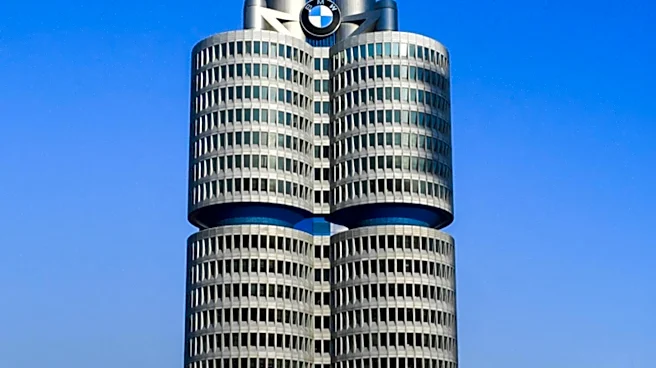
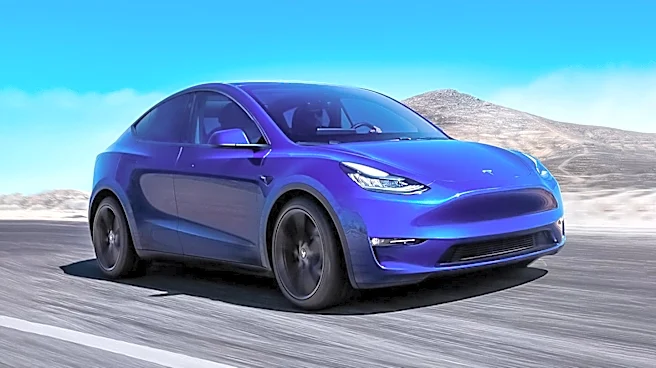
BMW is set to reduce its workforce by up to 8,000 jobs in Germany as part of a voluntary redundancy program. This decision comes as the company faces increasing competition from Chinese car manufacturers, particularly in the electric vehicle market. The
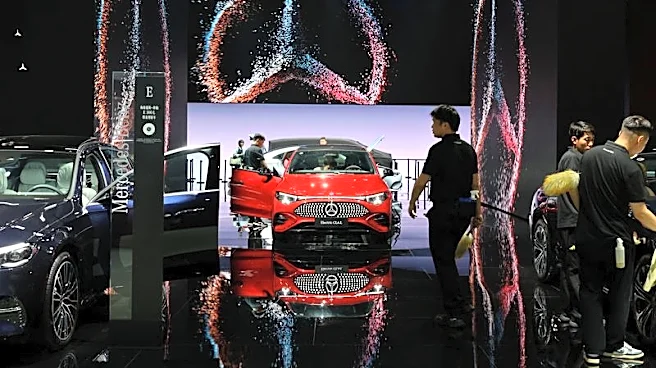
job cuts will primarily affect the administration and development divisions, while production operations remain unaffected. BMW's total workforce is approximately 160,000 employees. The move is part of a broader trend among European carmakers, including Volkswagen and Porsche, who are also restructuring to cope with the competitive pressures and the transition from petrol to electric vehicles. The company is also dealing with geopolitical uncertainties and changing market conditions, particularly in China, which has been a significant market for European car brands.
Why It's Important?
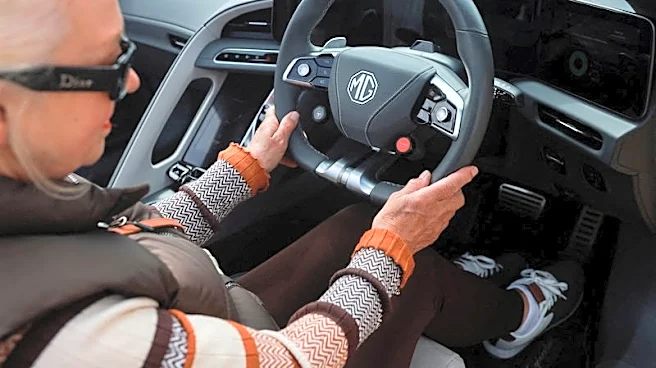
The job cuts at BMW highlight the significant challenges faced by traditional car manufacturers in Europe as they transition to electric vehicles. The rise of Chinese competitors in the electric vehicle market has intensified competition, forcing companies like BMW to streamline operations and reduce costs. This restructuring is crucial for BMW to remain competitive and financially viable in the rapidly evolving automotive industry. The impact of these changes extends beyond BMW, affecting the broader European automotive sector, which is a major economic driver. The job cuts also reflect the broader economic pressures faced by the industry, including the need to invest in new technologies and adapt to changing consumer preferences.
What's Next?
BMW's restructuring efforts are likely to continue as the company navigates the challenges of the electric vehicle market and geopolitical uncertainties. The company may explore further partnerships or collaborations to strengthen its position in the global market. Additionally, the impact of these job cuts on the local economy and workforce in Germany will be closely monitored. Other car manufacturers may also follow suit, leading to further job reductions and restructuring within the industry. The ongoing transition to electric vehicles will require significant investment and innovation, and companies will need to balance cost-cutting measures with the need to remain competitive and sustainable in the long term.