





What's Happening?
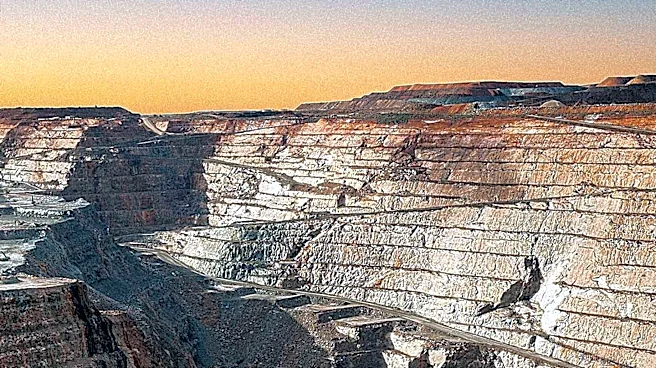
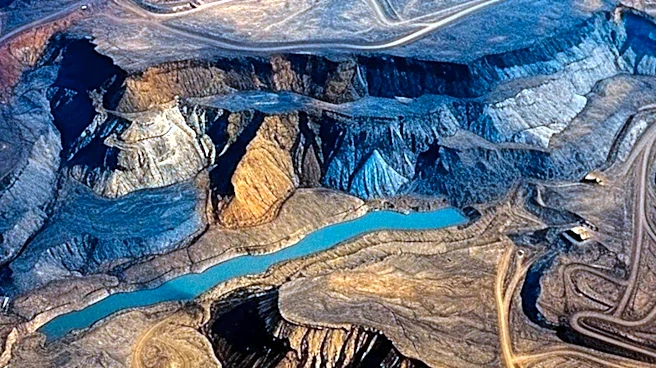
Perpetua Resources Corp. is making significant progress on its Stibnite gold project in central Idaho, which aims to redevelop the abandoned Stibnite mine site for gold, silver, and antimony while undertaking environmental restoration. The project, expected
to be one of the highest-grade open-pit gold mines in the U.S., holds an estimated 4.8-million-ounce gold reserve and is projected to produce 450,000 ounces of gold annually over its first four years. Additionally, it contains the only identified antimony reserve in the U.S., estimated at 148 million pounds, which could supply 35% of the country's demand in its initial six years of operation. Antimony is a critical mineral vital for technology, defense, and energy products. Early construction work began in October 2025 after securing federal and state permits, with a final investment decision anticipated in the first quarter of 2027.
Why It's Important?
The Stibnite gold project is of considerable importance to the U.S. economy and national security. Its substantial gold reserves will contribute to domestic gold production, while the antimony reserve is particularly critical given its designation as a strategic mineral. Relying on domestic sources for antimony reduces U.S. dependence on foreign supply chains, which is crucial for defense and technology sectors. The project is also expected to create approximately 950 direct jobs during construction and 550 jobs during operations in rural Idaho, providing significant economic benefits to the region. Furthermore, the project's commitment to environmental restoration of a dormant mine site demonstrates a model for responsible resource extraction, addressing historical environmental liabilities while generating economic value.
What's Next?
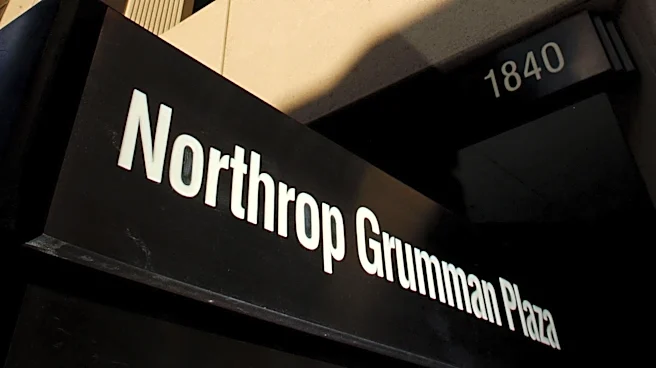
Perpetua Resources is moving forward with several key developments. On November 17, 2026, the company announced a nonbinding memorandum of understanding with a major U.S. aerospace and defense company to explore tungsten funding and future supply arrangements, potentially involving up to $55.5 million in non-equity funding and a right to acquire up to 50% of future tungsten production. This follows an October 26 award of up to $40 million from the U.S. Army’s Defense Ordnance Technology Consortium for a 36-month tungsten evaluation program. The closing of a $2.9 billion senior secured U.S. Export-Import (Exim) Bank loan is expected in the first quarter of 2027. Early works and critical-path construction are advancing, with detailed engineering, procurement, and civil works continuing ahead of a final investment and construction decision.
Beyond the Headlines
The Stibnite project's focus on critical minerals like antimony and tungsten highlights a broader strategic shift in U.S. industrial policy towards securing domestic supply chains for essential materials. This initiative reflects growing concerns about geopolitical dependencies and the need for national self-sufficiency in key sectors. The project's dual emphasis on resource extraction and environmental remediation also sets a precedent for future mining operations, demonstrating that economic development can be integrated with ecological responsibility. The involvement of the U.S. Army and the Exim Bank underscores the project's strategic national importance, extending beyond mere commercial mining to encompass defense, technology, and economic resilience. This could influence future federal support for similar projects that address both resource needs and environmental stewardship.