

What's Happening?
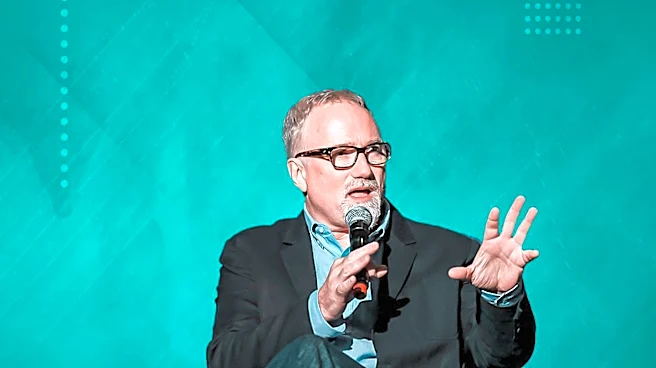
Filmmaker David Fincher revealed he was offered the showrunner position for Amazon's 'The Lord of the Rings: The Rings of Power' prior to its development by Amazon, an offer he declined. Fincher stated his refusal stemmed from viewing the project as an 'extension
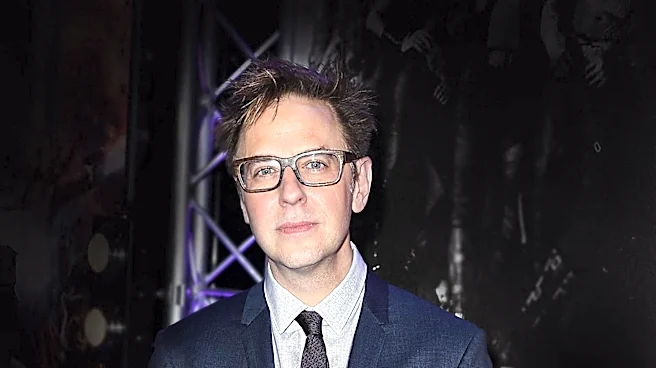
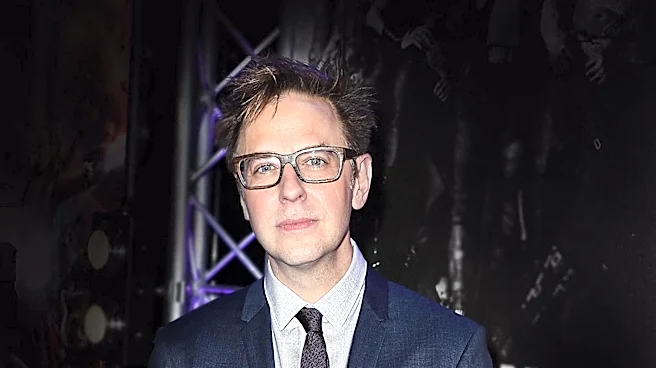
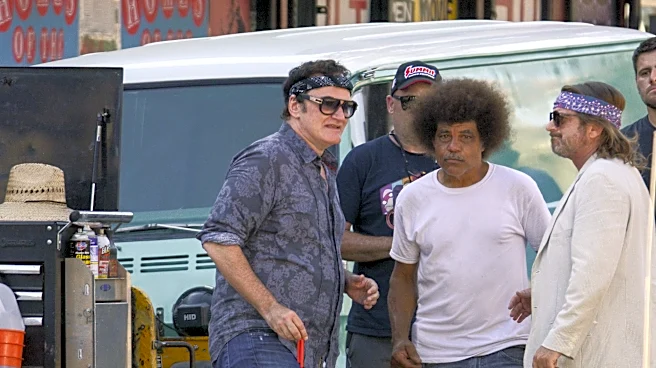
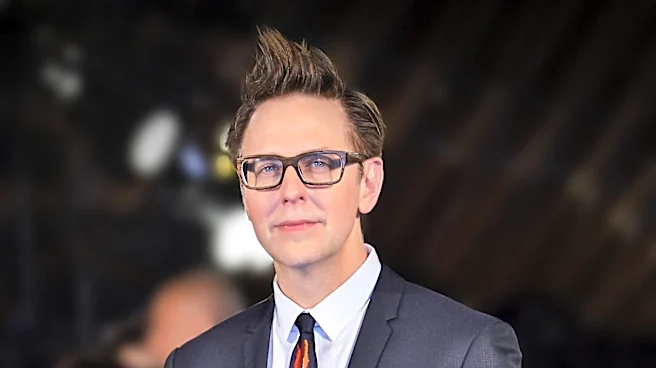
of a corporate interest.' He further commented on the current state of the film industry, noting a 'horrible constricting of the business' with companies like Paramount and Warner Bros., which he believes makes it increasingly difficult to protect individual voices in cinema. Fincher also drew a comparison to James Gunn taking on the co-chief role at DC Studios, describing DC's 'innate DNA' as 'dysfunctional.' This comes as Fincher promotes his new Netflix movie, 'The Further Mis-Adventures of Cliff Booth.'
Why It's Important?
Fincher's comments highlight a significant concern within the U.S. entertainment industry regarding the balance between creative control and corporate influence, particularly in large-scale franchise productions. His decision to decline a major showrunner role on a high-profile series like 'The Rings of Power' underscores a perceived challenge for filmmakers to maintain artistic integrity amidst corporate mandates. His characterization of DC Studios as 'dysfunctional' also offers an insider's perspective on the operational complexities and potential creative hurdles within major Hollywood studios. This perspective is crucial for understanding the evolving landscape of film and television production, where intellectual property and established franchises often take precedence, potentially impacting the diversity and originality of content available to U.S. audiences.
Beyond the Headlines
Fincher's remarks delve into the deeper implications of corporate consolidation and the increasing emphasis on established intellectual property within the U.S. film industry. His concern about the 'constricting of the business' suggests a potential long-term shift where original, individual voices may struggle to find platforms, leading to a more homogenized cinematic output. The ethical dimension here revolves around artistic freedom versus commercial viability. While large franchises offer financial stability and broad appeal, they can also stifle experimental storytelling. This trend could lead to a cultural impact where audiences are presented with fewer diverse narratives, potentially limiting the industry's capacity for innovation and critical commentary. The discussion also touches upon the legal and structural challenges faced by studios in managing vast cinematic universes, as hinted by his 'dysfunctional' assessment of DC Studios.