



What's Happening?
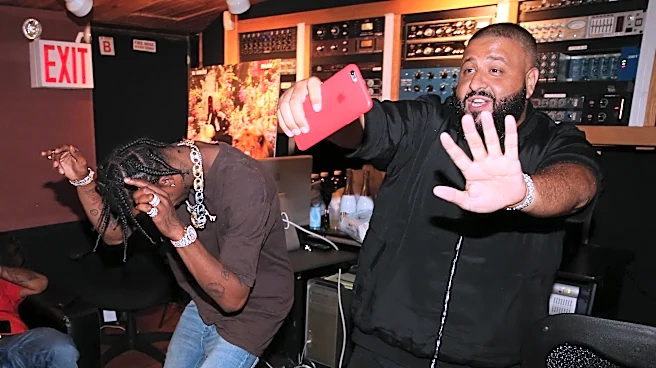
DJ Khaled has been sharing a series of spiritually charged messages on Instagram, often accompanied by Jamaican music. These posts come amidst an ongoing debate within the music industry concerning international producers, local selectors, and their access
to Jamaican recording artists. The discussion was initiated by reggae star Chronixx, who challenged Jamaican selectors to emulate figures like DJ Khaled and Diplo by producing albums and expanding their roles beyond simply playing records. Veteran dancehall selectors Tony Matterhorn and Foota Hype subsequently voiced concerns about the disparity in opportunities for local selectors compared to international producers like Khaled when it comes to collaborating with Jamaican talent. While DJ Khaled has not directly addressed these individuals, his recent posts emphasize themes of righteousness, faith, and positivity, alongside showcasing his long-standing connection to Jamaican music culture. He has also shared archival footage highlighting his history in Jamaica's sound clash culture, predating his mainstream success in hip-hop.
Why It's Important?
This situation highlights a significant discussion within the music industry regarding equitable access and opportunities for local talent versus international figures. The debate touches upon the historical roles of selectors in popularizing Jamaican music and the evolving landscape of music production. For Jamaican artists, the involvement of international producers like DJ Khaled can offer broader global reach and commercial success, but it also raises questions about the potential marginalization of local producers and selectors who have historically nurtured the genre. The conversation underscores the economic and cultural dynamics at play when international influence intersects with local music scenes, potentially impacting how future collaborations are structured and how credit and opportunities are distributed within the industry. The engagement of prominent figures like Vybz Kartel in supporting Khaled's posts further illustrates the divided opinions and complexities of this issue within the dancehall community.
What's Next?
The ongoing debate is likely to continue shaping discussions within the Jamaican music industry regarding collaboration dynamics and the role of local versus international producers. While DJ Khaled has not directly engaged with the criticism, his continued posts emphasizing his connection to Jamaican culture and spiritual themes suggest he intends to maintain his stance without direct confrontation. This could lead to further dialogue among artists, selectors, and producers about creating more equitable pathways for local talent to produce and collaborate on a global scale. The conversation may also prompt industry stakeholders to re-evaluate existing models for artist development and international partnerships, potentially leading to new initiatives or policies aimed at empowering local selectors and producers. The continued engagement of influential artists like Vybz Kartel could also sway public opinion and influence future collaborations.
Beyond the Headlines
This debate extends beyond mere professional disagreements, touching upon deeper cultural and economic implications within the global music landscape. It raises questions about cultural appropriation versus appreciation, and the power dynamics inherent when artists from economically disparate regions collaborate with those from more affluent ones. The discussion also highlights the evolving role of DJs and selectors, from being tastemakers to potential producers and industry moguls. The emphasis on 'righteousness' and 'faith' in DJ Khaled's posts can be interpreted as a strategic move to align himself with the spiritual roots often found in reggae and Rastafarian culture, thereby reinforcing his authenticity and long-standing connection to the music. This situation could trigger broader conversations about intellectual property, fair compensation, and the preservation of local cultural integrity in the face of global commercialization.