





What's Happening?
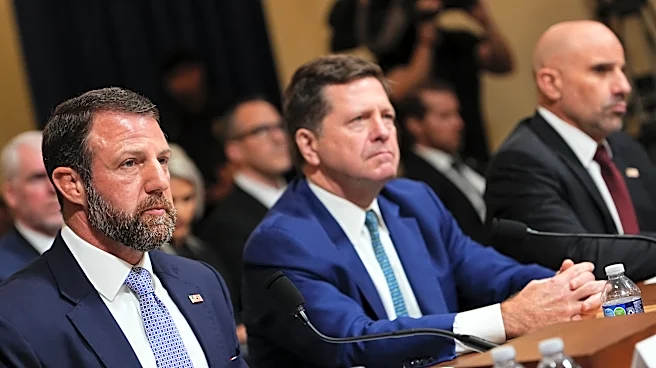
The U.S. Senate Committee on Commerce, Science, and Transportation has advanced the bipartisan Marine Aquaculture Research for America (MARA) Act (S. 2586). This legislation, co-authored by U.S. Sens. Brian Schatz (D-Hawaii) and Roger Wicker (R-Mississippi),
aims to establish a science-based federal framework for developing commercial-scale open ocean aquaculture in U.S. federal waters. The bill seeks to cut red tape for job creators on the Gulf Coast, improve workforce development, and promote seafood production domestically, thereby decreasing reliance on imports. The MARA Act would codify the Office of Aquaculture within the National Marine Fisheries Service, which would then set up commercial-scale demonstration projects and direct National Oceanic and Atmospheric Administration (NOAA) resources toward permitting more offshore aquaculture. The Coalition for Sustainable Aquaculture, a partnership of environmental groups, commercial fishing industry advocates, and chefs, has welcomed the bill's advancement, emphasizing its potential to support coastal economies and meet growing seafood demand.
Why It's Important?
This legislative advancement is crucial for the U.S. seafood industry and broader economy. The U.S. currently ranks 20th in global aquaculture production and imports the majority of its seafood. The MARA Act aims to reverse this trend by providing a clear regulatory pathway for open ocean aquaculture, which could significantly increase domestic seafood supply. This expansion is projected to generate an additional $877 million annually and create new American jobs across the seafood supply chain. Beyond direct economic benefits, increased aquaculture production could also create new markets for U.S. farmers who grow ingredients for plant-based fish feeds, such as soy, corn, and peas. Furthermore, it would benefit working waterfront communities by encouraging investment in portside infrastructure and fostering collaboration between fishermen and fish farmers to bring more sustainable seafood to U.S. ports. The bipartisan support for this bill underscores a shared recognition of the economic and food security benefits of a robust domestic aquaculture industry.
What's Next?
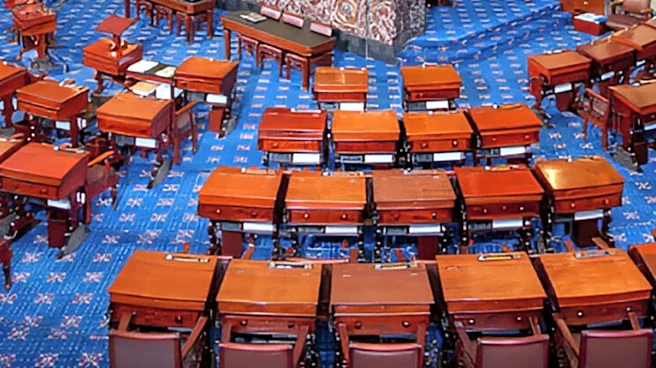
The MARA Act, having cleared the Senate Commerce Committee, will now proceed through the legislative process, requiring approval from both chambers of Congress and the President's signature to become law. A companion bill (HR 5746) has been introduced in the U.S. House of Representatives and awaits action in the House Natural Resources Committee. The industry coalition Stronger America Through Seafood (SATS) and other advocates are committed to continuing their work with leaders in Congress to advance this legislation. If enacted, the bill would lead to the establishment of a federal assessment program and a permitting process for commercial-scale offshore aquaculture demonstration projects, along with the creation of aquaculture centers of excellence and improved coordination among federal agencies involved in oversight.
Beyond the Headlines
The MARA Act addresses a long-standing challenge in U.S. seafood production: the lack of a comprehensive federal framework for offshore aquaculture. By establishing a science-based approach, the legislation aims to balance economic development with environmental safeguards, ensuring that the expansion of aquaculture protects ocean health and fishing communities. This initiative could lead to a significant shift in how the U.S. sources its seafood, reducing reliance on imports and enhancing food security. The emphasis on research and demonstration projects reflects a cautious yet progressive approach to developing a sustainable industry. The collaboration between environmental groups and industry leaders in supporting this bill highlights a growing consensus on the need for responsible and sustainable practices in marine resource management, potentially setting a precedent for future environmental and economic policy-making.