




What's Happening?
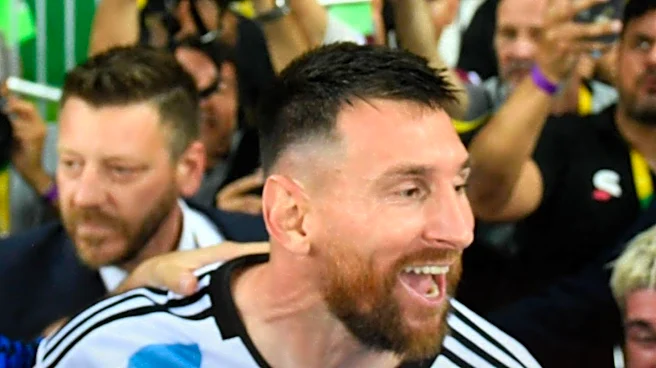
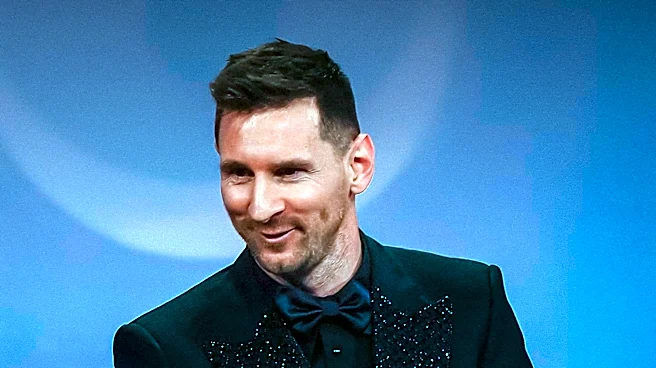
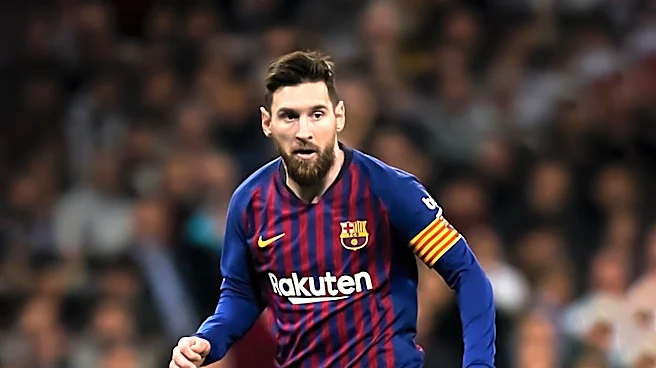
Lionel Messi has been named the 'Best Player' by the International Federation of Football History and Statistics (IFFHS) following Argentina's loss to Spain in the 2026 FIFA World Cup Final. Despite Argentina's 1-0 defeat in extra time, Messi's performance
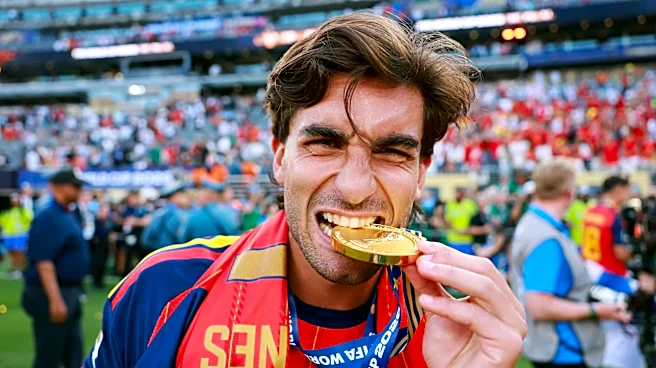
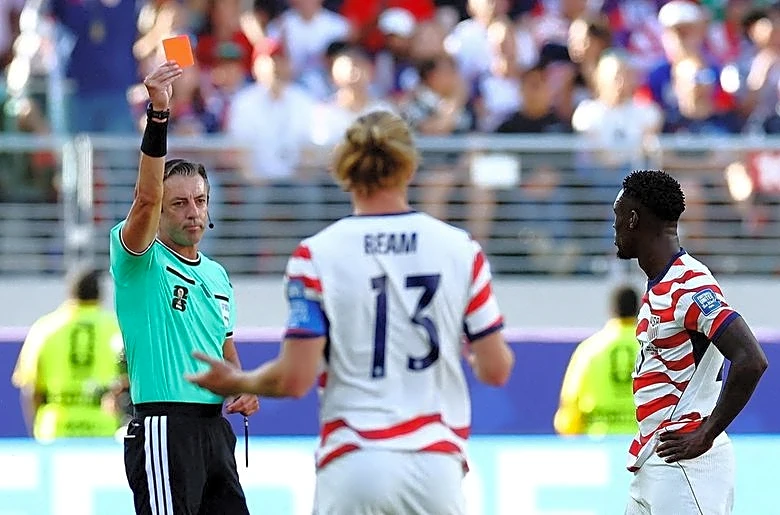
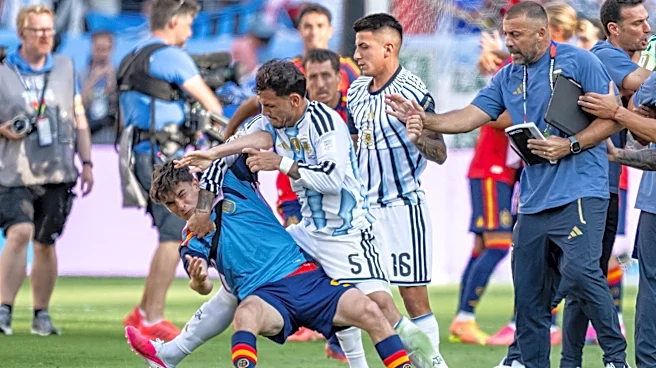
throughout the tournament was recognized as outstanding. He scored eight goals and provided four assists in eight matches, achieving an average match rating of 8.33. The final, held at MetLife Stadium, was marked by controversy, including Argentina's attempts to disrupt Spain's play and a red card for Enzo Fernández. Spain's captain, Rodri, was awarded the FIFA World Cup Golden Ball for the tournament's best player. Messi expressed his pride in Argentina's journey to the final, despite the painful loss.
Why It's Important?
This recognition of Messi underscores his enduring impact on international football, even as he approaches the end of his career. The award highlights his individual brilliance and contribution to Argentina's success in reaching consecutive World Cup finals. For Argentina, the acknowledgment of Messi's performance may serve as a morale boost following the disappointment of losing the final. The controversy surrounding the final, including accusations of poor sportsmanship, could affect Argentina's reputation in international football. Meanwhile, Spain's victory and Rodri's accolade reinforce their status as a dominant force in the sport.
What's Next?
Argentina may face scrutiny from international football bodies regarding the conduct of their players during the final. The team's response to the loss and any potential disciplinary actions could impact their future in international competitions. For Messi, this recognition might influence his decision on whether to continue playing at the international level or retire. Spain, on the other hand, will likely focus on maintaining their momentum and preparing for upcoming tournaments, building on their recent success.
Beyond the Headlines
The events of the World Cup final and the subsequent awards highlight the complex dynamics of sportsmanship and competition at the highest levels of football. The recognition of individual talent amidst team controversies raises questions about the balance between personal accolades and collective success. Additionally, the role of organizations like the IFFHS in shaping narratives around player performance and legacy is significant, as their awards can influence public perception and historical records.