





What's Happening?
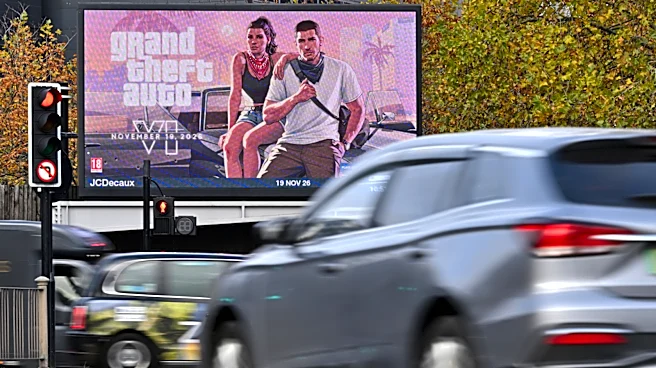
Burger King Belgium has launched a new 'HeartWhopper' sandwich, inspired by the fictional 'Heart Stopper' burger from the Grand Theft Auto (GTA) video game franchise. This promotional item, announced on November 19, parodies the in-game burger, which
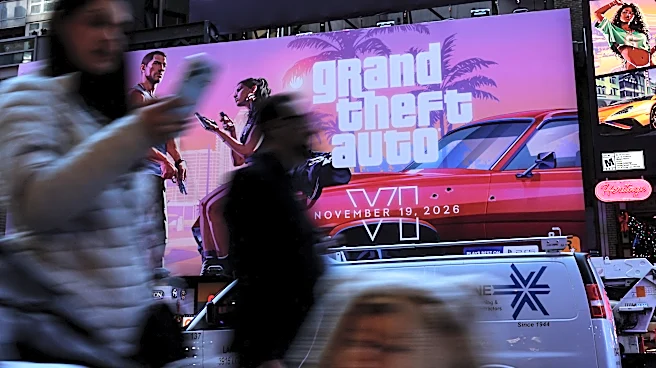
is depicted as an exaggerated criticism of the fast-food industry. The HeartWhopper features seven beef patties, four slices of cheese, lettuce, tomato, and onions on a sesame seed bun, mirroring the over-the-top nature of its virtual counterpart. However, the HeartWhopper is not available for direct purchase. Instead, Burger King Belgium and Luxembourg are offering it as a prize. Customers can participate by filming themselves enjoying any Burger King burger, and the company will select the most creative submission daily over a two-week period to award the HeartWhopper. This initiative coincides with the widespread anticipation and release of GTA 6, which has generated significant global attention and sales.
Why It's Important?
This marketing strategy by Burger King Belgium highlights the increasing trend of brands leveraging popular culture, specifically major video game releases, to generate buzz and engage with a broad audience. The Grand Theft Auto franchise, with its massive global reach and recent release of GTA 6, provides a significant platform for such promotional activities. By creating a real-world version of an iconic in-game item, Burger King taps into the enthusiasm of gamers and creates a unique, shareable experience. This approach can lead to increased brand visibility and social media engagement, as participants share their creative submissions and discussions around the novelty burger. While the HeartWhopper itself is a limited-time promotional item in specific European markets, its existence reflects a broader marketing shift where brands seek to integrate themselves into cultural phenomena to capture consumer attention in a crowded market. The 'prize-only' availability also adds an element of exclusivity and competition, further driving engagement.
What's Next?
For the next two weeks, Burger King Belgium and Luxembourg will continue to award the HeartWhopper daily to customers who submit the most creative videos of themselves enjoying a Burger King burger. This promotional period will likely see continued social media activity and user-generated content as participants vie for the unique prize. Following the conclusion of this campaign, Burger King will likely evaluate the success of this initiative in terms of brand engagement, media impressions, and customer participation. Other fast-food chains and brands may observe the effectiveness of this pop culture-driven marketing strategy and potentially adopt similar tactics for future product launches or promotional events, especially those tied to major entertainment releases. The success of such campaigns could influence future marketing budgets and strategies within the fast-food industry, encouraging more collaborative or themed promotions.
Beyond the Headlines
The HeartWhopper promotion subtly touches upon broader themes of consumer culture, health, and the blurring lines between virtual and real-world experiences. The original 'Heart Stopper' in GTA was a satirical commentary on the fast-food industry's impact on health, and Burger King's real-life rendition, while a marketing stunt, inadvertently brings this critique into the physical realm. The sheer size of the HeartWhopper, with its seven patties, can be seen as both an indulgence and a playful nod to the exaggerated nature of fast food in popular media. This campaign also exemplifies how brands are increasingly using gamification and user-generated content to foster deeper engagement, moving beyond traditional advertising. It highlights a cultural shift where consumers are not just passive recipients of marketing messages but active participants in brand narratives, especially when those narratives intersect with beloved entertainment franchises. The ethical implications of promoting such an extreme food item, even as a prize, could also spark discussions around corporate responsibility and public health messaging.