








What's Happening?
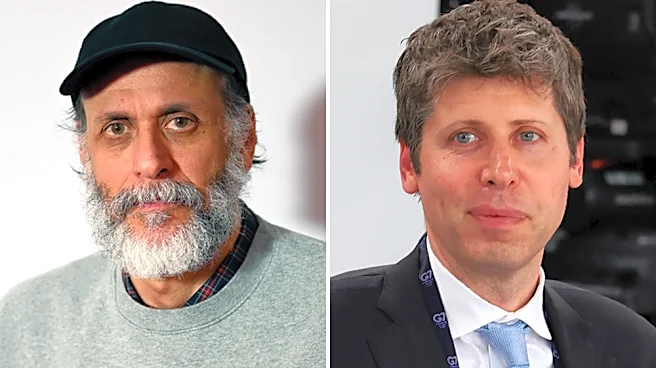
Luca Guadagnino's film 'Artificial,' which was initially developed by Amazon MGM Studios, has been dropped by several major distributors, including Warner Bros.' Clockwork, Focus Features, A24, and Netflix. The film, starring Andrew Garfield as OpenAI's
CEO, is nearly complete and was set for an early 2027 release. Amazon MGM's decision to exit the project came shortly after announcing a significant investment in OpenAI, suggesting potential conflicts of interest. Despite the setbacks, Mubi and Neon are reportedly interested in acquiring the film. 'Artificial' is a $40 million production that portrays real-life figures like Sam Altman and Elon Musk, which may have contributed to the hesitancy among distributors.
Why It's Important?
The reluctance of major distributors to acquire 'Artificial' highlights the complexities and potential risks involved in films that depict real and influential figures, especially in the tech industry. This situation underscores the influence of corporate relationships and investments on creative projects. The film's portrayal of high-profile individuals like Sam Altman and Elon Musk could pose legal and reputational risks, making distributors cautious. The outcome of this situation could set a precedent for how films about real-life tech leaders are handled in the future, impacting both the film industry and the portrayal of technology in media.
What's Next?
As Mubi and Neon consider acquiring 'Artificial,' the film's future remains uncertain. If Mubi secures the rights, the film could premiere at the Venice Film Festival, aligning with Guadagnino's history of unveiling films there. The decision by Mubi or Neon to take on the project could influence other distributors' willingness to engage with similar films. Additionally, the film's reception and potential success could affect future projects that explore the intersection of technology and personal narratives, particularly those involving real-life figures.
Beyond the Headlines
The situation with 'Artificial' raises questions about the ethical implications of dramatizing real-life events and individuals, especially in the tech industry. The film's narrative, which includes a portrayal of a boardroom power struggle at OpenAI, touches on themes of corporate governance and the ethical responsibilities of tech leaders. This could spark broader discussions about the role of media in shaping public perceptions of technology and its leaders, as well as the potential impact on the individuals portrayed.