






What's Happening?
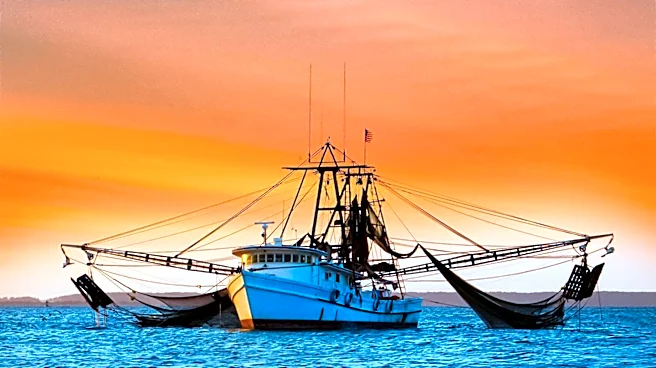
Shrimp farmers in the Indian state of Andhra Pradesh have issued a threat to cease farming operations for three months, from April through June of next year. This decision stems from mounting concerns over escalating production costs and a simultaneous
decline in shrimp prices, which are severely impacting their financial viability. The Andhra Pradesh State Aqua Farmers' Association, following a meeting with farmers from various districts on September 7, announced this potential 'crop holiday.' G. Gandhi Bhagavan Raju, the Association Chairman, highlighted that increased prices for shrimp feed, medicines, and other essential inputs, coupled with the poor quality of shrimp seed, are placing significant financial strain on farmers. Concurrently, the Andhra Pradesh High Court, on September 8, temporarily blocked increases in shrimp feed prices, ordering the Prawn Feed Manufacturers Association to maintain prices as per a June 12 circular. This interim order followed a petition challenging price hikes of INR 9,000 (USD 94) per metric ton for vannamei shrimp feed and INR 12,000 (USD 126) per metric ton for black tiger shrimp feed, arguing that price-setting falls under the Andhra Pradesh State Aquaculture Development Authority (APSADA) Act of 2020.
Why It's Important?
This situation in India's shrimp farming sector carries significant implications for the global seafood market, including potential ripple effects on U.S. consumers and businesses. India is a major global supplier of shrimp, and a three-month halt in production could lead to a substantial reduction in supply. This scarcity could drive up international shrimp prices, affecting U.S. importers, distributors, and ultimately, consumers who rely on shrimp as a popular seafood choice. Restaurants and grocery stores in the U.S. might face higher procurement costs, potentially leading to increased menu prices or reduced profit margins. Furthermore, the dispute highlights the vulnerability of global supply chains to local economic pressures and regulatory interventions. The Indian government's response to the farmers' demands and the court's ongoing involvement in feed price regulation will be crucial in determining the stability of shrimp supply from one of the world's largest producers. U.S. businesses involved in seafood trade will need to monitor these developments closely to anticipate and mitigate potential supply disruptions and price volatility.
What's Next?
The Andhra Pradesh State Aqua Farmers' Association has stated that farmers will proceed with the three-month crop holiday if their demands are not met by the end of September. These demands include the government setting a minimum support price for shrimp, intervening to lower farming costs, and urging feed manufacturers to reduce their prices. The Andhra Pradesh High Court has scheduled a further hearing on the shrimp feed price issue for September 30, which will be a critical date for the Prawn Feed Manufacturers Association and the farmers. The outcome of this court hearing and the government's response to the farmers' broader demands will determine whether the threatened production halt materializes. Should the farmers proceed with the crop holiday, it would significantly impact the next shrimp farming cycle, potentially leading to a prolonged period of reduced supply. Stakeholders in the global seafood industry, including U.S. importers, will be closely watching these developments for their potential impact on market dynamics and supply chain stability.
Beyond the Headlines
The dispute in India's shrimp farming sector underscores broader issues concerning agricultural sustainability, fair pricing, and the role of government intervention in market economies. The farmers' plight reflects a common challenge faced by primary producers globally: balancing rising input costs with fluctuating market prices for their products. This situation also brings to light the complexities of regulating essential agricultural inputs like feed, especially when multiple stakeholders, including farmers, manufacturers, and government bodies, have conflicting interests. The court's involvement in setting feed prices, while providing temporary relief to farmers, raises questions about the long-term efficacy and potential unintended consequences of such interventions on market mechanisms and innovation within the aquaculture industry. Furthermore, the reliance of a significant global food supply on a single region's stability highlights the need for diversified sourcing and resilient supply chains to mitigate risks associated with localized economic or environmental challenges. The resolution of this conflict could set a precedent for how similar disputes are handled in other agricultural sectors worldwide.