






What's Happening?
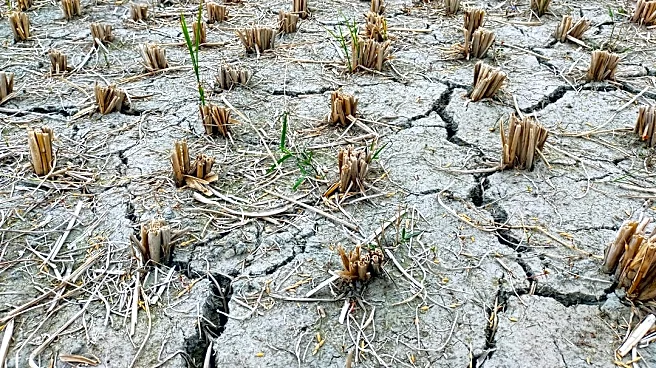
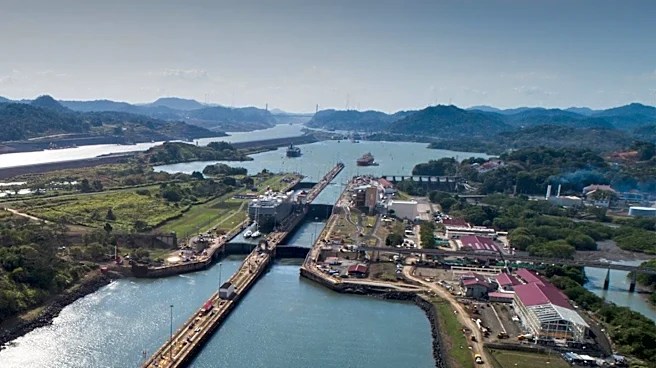
The Panama Canal is implementing additional cuts to maritime traffic due to a severe drought exacerbated by the El Niño climate phenomenon. This decision further restricts one of the world's most crucial shipping lanes. Starting in October, the average
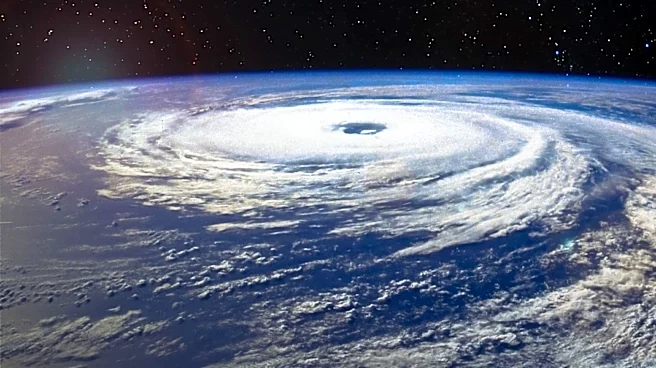
number of vessels permitted to transit daily will be reduced to 29.5, an 18% decrease from the 36 transits allowed in August. This follows an earlier reduction in September from 36 to 32 daily transits. The canal, which handles 5% of global maritime trade and approximately 40% of U.S. container traffic, relies on fresh water from rivers feeding Lake Gatun to operate its lock system. Officials reported lower-than-forecast rainfall in the watershed in September. The locks function by filling with water to lift ships 26 meters (85 feet) from sea level to Lake Gatun and then lowering them back down. If lake levels become unsafe for larger vessels, the Panama Canal Authority imposes restrictions to ensure safety and conserve water. El Niño, a natural weather pattern causing global shifts in winds, air pressure, and rainfall, is projected to reach its strongest point later this year, potentially worsening shipping restrictions.
Why It's Important?
The ongoing traffic cuts in the Panama Canal have significant implications for global trade and, particularly, for U.S. industries and consumers. As a vital artery for approximately 40% of U.S. container traffic, disruptions here directly impact supply chains, increasing transit times and shipping costs for goods moving between Asia, China, and the U.S. Businesses that rely on the canal for efficient and cost-effective transportation of raw materials and finished products will face higher operational expenses, which could be passed on to consumers through increased prices. The reported instance of a container ship paying $4 million to bypass a 10-day wait highlights the desperation and financial strain on shipping companies. This situation could force companies to seek alternative, longer, and more expensive routes, further exacerbating logistical challenges. The long-term impact could include a re-evaluation of global supply chain strategies, potentially leading to increased nearshoring or reshoring efforts to mitigate reliance on vulnerable international shipping routes.
What's Next?
Shipping restrictions on the Panama Canal are expected to worsen as the El Niño phenomenon is forecast to peak later this year, potentially becoming the strongest in four decades. The Panama Canal Authority will continue to monitor water levels in Lake Gatun and adjust transit allowances accordingly. This could lead to further reductions in daily vessel transits, longer waiting times, and increased costs for shipping companies. Businesses and logistics providers will need to adapt by exploring alternative shipping routes, such as those around the Cape of Good Hope or through the Suez Canal, which are longer and more expensive, or by utilizing land-based transportation where feasible. The situation may also prompt a re-evaluation of global trade routes and supply chain resilience strategies to account for climate-induced disruptions. International cooperation and investment in climate adaptation measures for critical infrastructure like the Panama Canal may become more pressing to ensure the stability of global commerce.
Beyond the Headlines
Beyond the immediate economic and logistical challenges, the Panama Canal's crisis underscores the profound and escalating impact of climate change and natural weather phenomena like El Niño on global infrastructure and interconnected economies. The reliance of a critical global trade artery on freshwater levels makes it particularly vulnerable to changing precipitation patterns. This situation highlights the need for long-term strategic planning and investment in climate resilience for essential global assets. It also brings to light the broader environmental consequences of climate change, as the drought in Panama is part of a wider trend of extreme heat and record-breaking temperatures observed across multiple continents. The crisis serves as a stark reminder that environmental shifts can have direct and severe economic repercussions, forcing a re-evaluation of how nations and industries account for climate risks in their operational and strategic decisions. The incident could also spur innovation in shipping technologies and infrastructure to reduce dependence on single, climate-vulnerable routes.