


What's Happening?
The 1958 New York City apartment of actors Paul Newman and Joanne Woodward is being highlighted for its innovative use of vertical storage. Faced with the common urban challenge of limited space and a growing collection of books and mementos, the couple
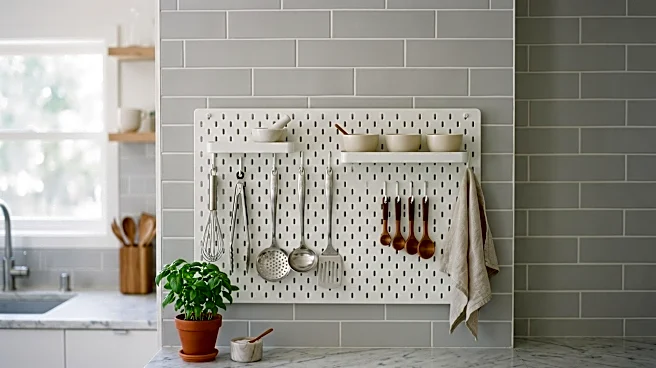
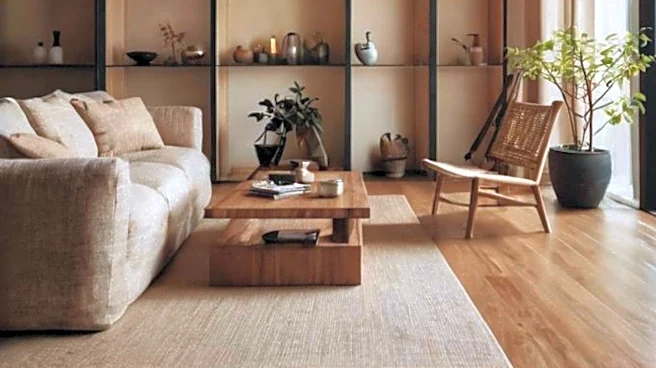
implemented floor-to-ceiling shelving and vertical storage solutions in their Greenwich Village living room. This approach effectively utilized wall height to create both organization and aesthetic appeal without overcrowding the room. Robert Aumann, a luxury real estate advisor, notes that their design demonstrates how to maximize space in smaller living areas by drawing the eye upward and making full use of wall space. The strategy involved simple wall shelves, tall, narrow bookcases, and the strategic placement of storage to display items while maintaining a cozy atmosphere. The design also incorporated painting shelves the same color as walls to make them less obtrusive and mixing open shelves with concealed storage to hide less visually appealing items.
Why It's Important?
This historical example from Newman and Woodward's home offers a significant lesson in interior design and space management, particularly relevant for urban dwellers and those with smaller living spaces. It underscores the enduring value of vertical storage as a practical and stylish solution to common spatial constraints. The approach demonstrates that comfort and functionality are not solely dependent on expansive square footage but rather on intelligent design choices. By showcasing how walls can be transformed into functional display and storage areas, it provides a blueprint for homeowners seeking to optimize their living environments. The emphasis on balancing open and concealed storage, along with color coordination, highlights principles that contribute to a less cluttered and more visually appealing home, impacting how individuals perceive and utilize their personal spaces.
What's Next?
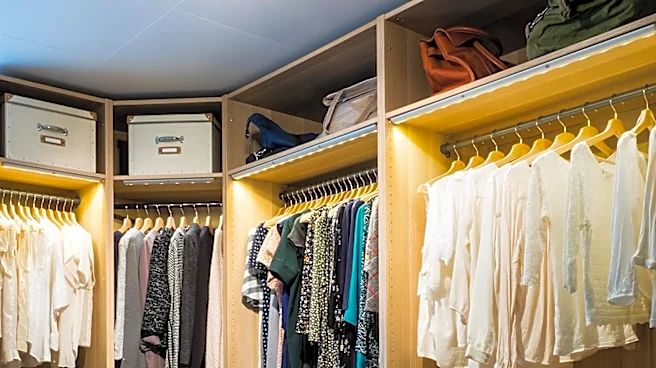
The renewed attention to Newman and Woodward's storage techniques is likely to inspire contemporary interior design trends and DIY home improvement projects. Design enthusiasts and homeowners may increasingly look to similar vertical storage solutions, such as tall bookcases and wall-mounted shelving, to address their own space challenges. Retailers specializing in home furnishings and storage solutions might see a surge in demand for items that facilitate vertical organization, including modular shelving systems, corner units, and decorative storage baskets. Furthermore, interior designers may incorporate these timeless principles into their recommendations for clients, emphasizing the importance of maximizing vertical space in smaller homes and apartments. This could lead to a broader adoption of these space-saving strategies in residential design.
Beyond the Headlines
Beyond its immediate practical applications, the enduring relevance of Newman and Woodward's home design speaks to a broader cultural appreciation for efficient and thoughtful living. In an era where minimalism and decluttering movements are gaining traction, their approach to storage exemplifies how to live comfortably and stylishly within spatial limitations without sacrificing personal collections or a sense of home. It subtly challenges the notion that larger homes are inherently better, instead promoting the idea that well-designed smaller spaces can be equally, if not more, functional and aesthetically pleasing. This perspective can influence consumer behavior towards more sustainable and mindful consumption, encouraging individuals to invest in versatile, space-saving furniture and to curate their belongings more intentionally.