





What's Happening?
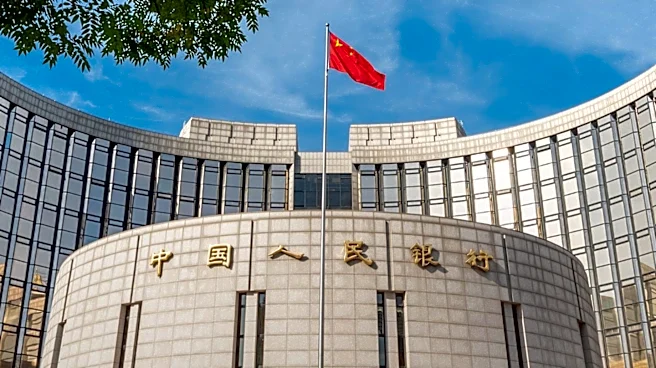
Representatives from 115 Fortune Global 500 companies are slated to attend the Asia-Pacific Economic Cooperation (APEC) CEO Summit in 2026. This significant gathering will also include heads of various international organizations and leaders from business
associations across different economies, including the United States, Russia, and Japan. The China Council for the Promotion of International Trade (CCPIT) announced this development on Sunday, November 15, 2026. Notably, U.S. companies constitute the largest contingent among participating firms from economies outside of China, accounting for nearly 20 percent of the total. Li Qingshuang, vice chairperson of the CCPIT, shared these details at a press conference, emphasizing the broad international participation in the upcoming summit.
Why It's Important?
The substantial participation of Fortune Global 500 companies, particularly from the U.S., at the APEC CEO Summit 2026 underscores the continued importance of the Asia-Pacific region for global business and economic cooperation. This event serves as a crucial platform for high-level discussions on trade, investment, and economic policies among leading global enterprises and policymakers. The strong U.S. presence indicates American companies' strategic interest in the region's markets and their commitment to engaging in multilateral economic dialogues. Such summits can foster new business partnerships, influence regional trade agreements, and address common economic challenges, potentially shaping future global supply chains and investment flows. The discussions held at the summit could have significant implications for international trade relations and economic growth strategies for participating nations.
What's Next?
The APEC CEO Summit 2026 will likely feature discussions on key economic trends, technological advancements, and strategies for sustainable growth in the Asia-Pacific region. Business leaders and government representatives will engage in dialogues aimed at fostering greater economic integration and addressing challenges such as trade barriers, digital transformation, and climate change. Outcomes could include new investment commitments, collaborative initiatives, and policy recommendations that influence regional economic frameworks. The summit will also provide an opportunity for networking and relationship-building among global corporate executives and political figures, potentially leading to future business ventures and cross-border collaborations. The focus will be on leveraging collective strengths to drive economic prosperity and stability across the APEC economies.
Beyond the Headlines
The APEC CEO Summit's robust attendance, especially from U.S. corporations, reflects a broader strategic recalibration in global business, emphasizing resilience and diversification in supply chains amidst geopolitical shifts. Beyond immediate business deals, the summit serves as a critical forum for shaping norms around digital trade, intellectual property, and environmental, social, and governance (ESG) standards in the Asia-Pacific. The significant U.S. corporate presence could also signal a proactive approach to counterbalancing other regional economic influences, reinforcing American economic diplomacy. The discussions may subtly influence future regulatory environments and investment climates, impacting long-term economic development and potentially fostering greater regional stability through economic interdependence. The summit's outcomes could also set precedents for how multinational corporations navigate complex geopolitical landscapes while pursuing growth opportunities.