




What's Happening?
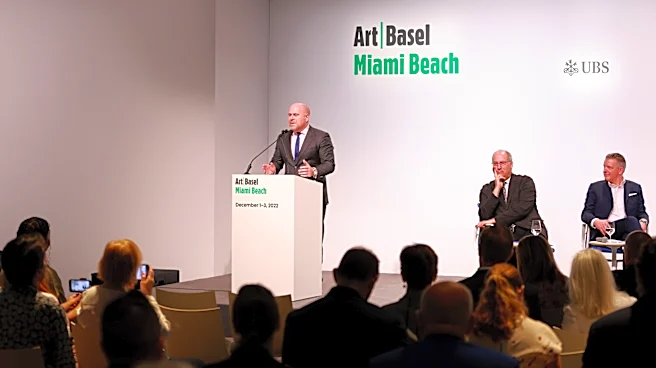
Art Basel Paris has announced a 20 percent reduction on the final invoices for all exhibitors who participated in its last edition. This decision comes in response to the fair's early closure on its final two days, Saturday, October 24, and Sunday, October 25,
due to protests. Art Basel chief executive Noah Horowitz confirmed this reduction in an exclusive interview, stating it is an exceptional measure to acknowledge the costs incurred by galleries. Tickets purchased for the affected weekend have already been refunded. The French galleries association, Comité Professionnel des Galeries d’Art, had previously sent a strongly worded letter to Art Basel Paris director Karim Crippa on October 28, demanding financial redress and expressing dissatisfaction over not being consulted before the decision to close early. Smaller and emerging dealers were particularly affected by the loss of crucial business during the fair's final days.
Why It's Important?
This decision by Art Basel Paris has significant implications for the art market and the relationship between major art fairs and their exhibitors. The 20 percent fee reduction acknowledges the financial strain placed on galleries, especially smaller and emerging ones, when events are disrupted. This move could set a precedent for how large-scale events handle unforeseen closures and compensate participants, potentially influencing future contractual agreements and risk-sharing models in the event industry. For the U.S. art market, which often sees its galleries participate in international fairs like Art Basel, this demonstrates a responsiveness to exhibitor concerns that could be mirrored or expected in domestic events. It also highlights the vulnerability of cultural events to external factors like public protests, underscoring the need for robust contingency planning and transparent communication with stakeholders.
What's Next?
Galleries that participated in the last Art Basel Paris edition will receive a 20 percent reduction on their final booth fees, which will help mitigate some of their losses from the early closure. This action may alleviate some of the tension that arose between the fair organizers and the French galleries association. In the future, Art Basel and other major art fairs might review their operational protocols and communication strategies for handling unexpected disruptions, potentially leading to more explicit policies regarding compensation or alternative arrangements. The incident could also prompt a broader discussion within the art fair industry about how to better support exhibitors, particularly smaller galleries, in the face of unpredictable events, potentially influencing terms and conditions for upcoming fairs globally, including those with U.S. participation.
Beyond the Headlines
The Art Basel Paris situation extends beyond mere financial compensation, touching upon the broader dynamics of power and communication within the global art market. The strong reaction from the French galleries association, citing 'contempt' and lack of consultation, reveals underlying tensions between large fair organizers and their gallery constituents. This incident underscores the importance of transparent dialogue and collaborative decision-making, especially when unforeseen circumstances impact the financial viability of participants. It also highlights the increasing influence of external societal factors, such as protests, on major cultural events, forcing organizers to navigate not only logistical challenges but also public sentiment and safety concerns. This could lead to a re-evaluation of event planning to include more robust community engagement and crisis management strategies, potentially influencing how U.S. art fairs approach similar challenges.