









What's Happening?
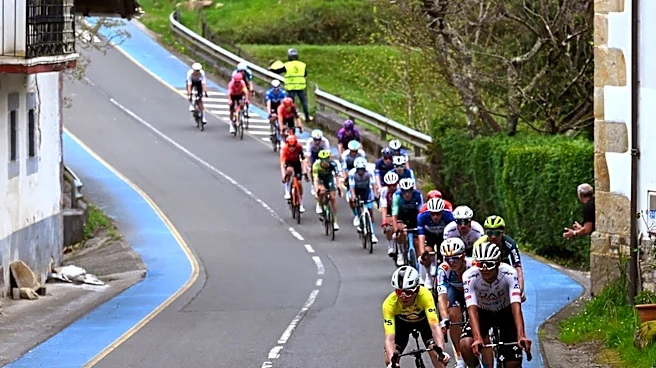
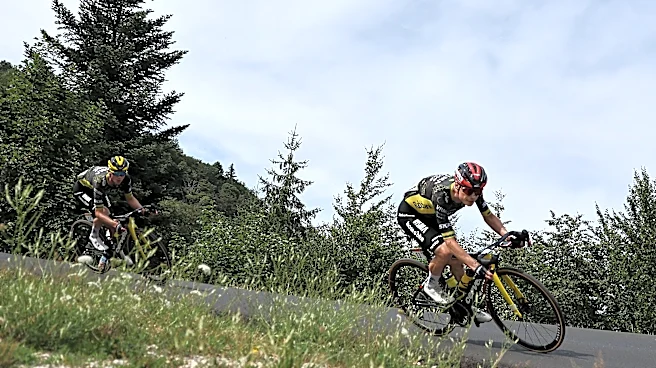
The Tour de France 2026 features its longest stage, spanning 205 kilometers from Dole to Belfort. This stage is characterized by challenging climbs in the Vosges Mountains, including the Col des Croix and the iconic Ballon d'Alsace. The stage is expected
to be decisive, with opportunities for breakaways and strategic moves by top contenders like Tadej Pogacar. The route includes a mix of flat and mountainous terrain, culminating in a technical descent to the finish line in Belfort. The stage also pays homage to Thibaut Pinot, passing through his hometown of Melisey.
Why It's Important?
The Dole-Belfort stage is a critical point in the Tour de France, offering climbers a chance to gain an advantage in the overall standings. The inclusion of significant mountain climbs tests the endurance and strategy of the riders, potentially reshaping the leaderboard. This stage is not only a test of physical prowess but also of tactical acumen, as riders must decide when to attack or conserve energy. The outcome of this stage could influence the overall winner of the Tour, making it a focal point for teams and fans alike.
What's Next?
As the Tour progresses, riders and teams will need to adapt their strategies based on the results of the Dole-Belfort stage. The performance of key contenders in this stage could set the tone for the remaining stages, influencing team tactics and individual ambitions. Fans and analysts will closely watch how the standings evolve, particularly in the mountain stages, which are often decisive in determining the overall winner. The Tour's progression will continue to captivate audiences, with each stage offering new challenges and opportunities.