





What's Happening?
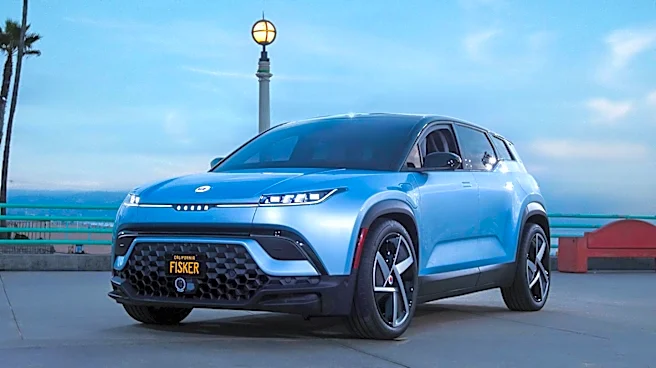
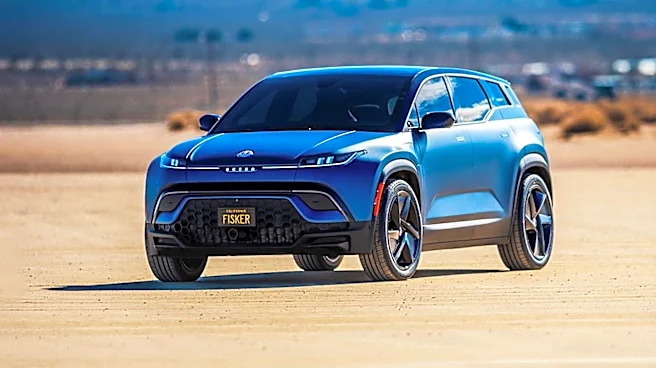
Fisker Inc., an electric vehicle company, ceased operations in 2024, resulting in substantial financial repercussions for its customers and creditors. In Sweden, individuals with claims in the bankruptcy proceedings received only 27% of their total claims,
amounting to 41,000 Swedish kroner out of an average of 147,000 kroner per person. This indicates a significant loss for those who had invested in or purchased vehicles from the company. Similarly, in Norway, the bankruptcy left an outstanding debt exceeding 425 million kroner. Creditors in Norway were able to recover only a fraction of this debt, specifically between 9 and 13 million kroner, primarily through the sale of unsold vehicles. This situation highlights the widespread financial impact of Fisker Inc.'s collapse across different markets, leaving many customers and creditors with considerable financial setbacks and uncertainty regarding their investments and purchases.
Why It's Important?
The collapse of Fisker Inc. is important as it underscores the inherent risks and volatility within the burgeoning electric vehicle (EV) market, particularly for newer companies. For U.S. consumers, this event serves as a cautionary tale regarding the financial stability of emerging EV manufacturers and the potential for significant losses on vehicle purchases or investments. The inability of customers to recover a substantial portion of their claims in bankruptcy proceedings, as seen in Sweden and Norway, could erode consumer confidence in less established EV brands. This could lead to a preference for more established automakers, potentially slowing the adoption of innovative EV technologies from startups. Furthermore, the financial losses incurred by creditors, including suppliers and investors, could make future funding more challenging for other EV startups, impacting the overall competitive landscape and innovation within the U.S. automotive industry. The incident also raises questions about consumer protection and the adequacy of existing frameworks to safeguard buyers in the event of an EV manufacturer's insolvency.
What's Next?
Following the bankruptcy of Fisker Inc., the immediate next steps will likely involve continued liquidation of remaining assets to satisfy outstanding debts, though the recovery rate for creditors is expected to remain low. For customers who purchased Fisker vehicles, the primary concern will be the long-term availability of parts, service, and warranty support, which is now highly uncertain. This situation could lead to a secondary market for Fisker vehicles with significantly depreciated values due to the lack of manufacturer backing. Regulatory bodies and consumer protection agencies in the U.S. may face increased scrutiny regarding the oversight of emerging automotive companies, potentially leading to discussions about enhanced safeguards for consumers in the event of similar bankruptcies. The broader EV industry will likely observe how this event impacts investor confidence and consumer behavior, potentially influencing investment strategies and market entry for new EV ventures. Insurers may also re-evaluate their policies for vehicles from less established manufacturers, potentially leading to higher premiums or more restrictive coverage.
Beyond the Headlines
The collapse of Fisker Inc. extends beyond immediate financial losses, touching upon deeper implications for the future of the electric vehicle industry and consumer trust. Ethically, the situation raises questions about the responsibility of EV startups to ensure long-term viability and support for their products, especially given the significant investment consumers make in these vehicles. The lack of adequate recovery for customers in bankruptcy proceedings highlights a potential gap in consumer protection within a rapidly evolving technological sector. Culturally, such high-profile failures could foster skepticism towards innovation and disrupt the narrative of a seamless transition to electric mobility, potentially reinforcing a preference for traditional automotive brands. This event could also trigger a re-evaluation of investment criteria for venture capitalists and private equity firms looking to fund EV startups, emphasizing not just technological promise but also robust business models and financial resilience. The long-term shift could be a more consolidated EV market, where only well-capitalized and strategically sound companies can thrive, potentially stifling smaller, innovative players.