






What's Happening?
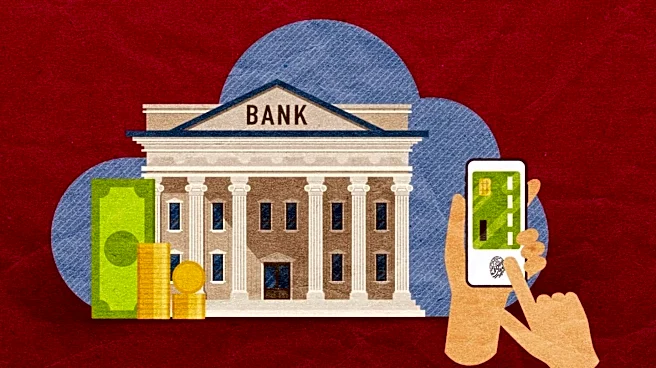
Landmark Bank is alerting its customers to the increasing prevalence of online and mobile banking scams, emphasizing that as digital tools advance, so do the methods employed by fraudsters. Scammers are mimicking legitimate banking activities to trick
individuals into divulging personal information and login credentials. Common tactics include creating fake login pages or spoofed websites that closely resemble the bank's official site, sending phishing emails about suspicious account activity, and using text message verification scams that request codes not initiated by the user. Fraudulent mobile apps designed to steal usernames and passwords, along with malware or spyware that captures keystrokes, are also significant threats. These scams are engineered to create a sense of urgency, compelling victims to act without sufficient time for critical thought. Landmark Bank advises customers to recognize warning signs such as unexpected login alerts, links that do not match official bank websites, and requests for full passwords or verification codes.
Why It's Important?
The proliferation of online and mobile banking scams poses a substantial risk to the financial security of U.S. consumers and the integrity of the banking system. As more individuals rely on digital platforms for managing their finances, the potential for widespread financial damage from these sophisticated scams increases. The ability of fraudsters to create convincing replicas of legitimate banking interfaces can erode public trust in online financial services. For banks like Landmark, these scams necessitate continuous investment in cybersecurity measures and robust customer education to protect account holders and maintain their reputation. The financial industry as a whole faces the challenge of staying ahead of evolving scam tactics, which can lead to significant monetary losses for individuals and operational costs for institutions in fraud detection and recovery.
What's Next?
Landmark Bank recommends several proactive measures for its customers to enhance their digital banking security. These include using strong, unique passwords, enabling multi-factor authentication (MFA), keeping devices and apps updated, avoiding public Wi-Fi for banking, and regularly monitoring accounts. If fraud is suspected, customers are advised to immediately contact their bank using official contact information, change passwords, enable MFA, review transactions, and check devices for suspicious software. Reporting incidents to authorities like the Federal Trade Commission (FTC) and the FBI Internet Crime Complaint Center (IC3) is also crucial. The bank's commitment to providing resources and guidance underscores an ongoing effort to protect customers from these evolving threats, suggesting a continuous need for vigilance and adaptation in digital security practices.
Beyond the Headlines
The escalating nature of online and mobile banking scams highlights a broader societal challenge related to digital literacy and cybersecurity in an increasingly interconnected world. The psychological manipulation employed by scammers, often leveraging urgency and fear, underscores the importance of critical thinking and skepticism when interacting with digital communications. This situation also brings to light the ethical responsibilities of technology companies to develop secure platforms and for financial institutions to provide clear, accessible education. The constant arms race between scammers and security measures suggests that individual users must adopt a proactive and informed approach to their digital financial lives, recognizing that personal vigilance is a critical component of overall cybersecurity. The long-term implications include a potential shift in how individuals perceive and interact with digital financial services, emphasizing security over convenience.