





What's Happening?
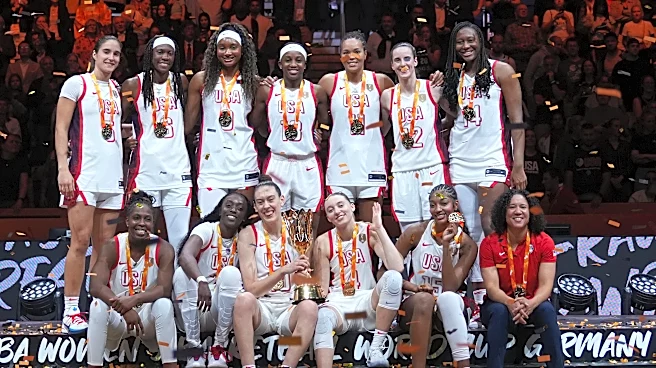
Cameron Brink, a prominent WNBA player, has openly discussed the role of her 'white and blonde' identity in her marketability, suggesting it provides an advantage over other talented players in the league. Brink, who signed a four-year contract with the Los
Angeles Sparks, totaling $648,452, highlighted that many WNBA athletes, despite consistently delivering strong performances, do not receive comparable brand opportunities. She noted the financial challenges players face, especially those on rookie contracts in expensive markets like Los Angeles or New York, and emphasized the importance of social media in securing endorsements. Brink's remarks underscore a broader issue within the WNBA regarding equitable brand compensation and the factors influencing player marketability beyond on-court performance.
Why It's Important?
Brink's statement brings to light significant disparities in how WNBA players are compensated through endorsements, raising questions about fairness and representation within professional sports marketing. Her acknowledgment of racial and appearance-based privilege in marketability could spark crucial conversations within the league and among brands about their endorsement strategies. This issue impacts not only individual players' financial well-being but also the league's overall image and its commitment to diversity and inclusion. If brands disproportionately favor certain demographics, it could undermine the WNBA's efforts to promote all its athletes equally and could lead to a perception of inequity, potentially affecting fan engagement and player morale across the league.
What's Next?
The WNBA and its partners may face increased pressure to re-evaluate their marketing and endorsement practices to ensure more equitable opportunities for all players. This could involve developing new guidelines for brand partnerships, actively promoting a wider range of athletes, and investing in initiatives that highlight diverse player narratives. Players themselves might become more vocal about these disparities, potentially leading to collective action or advocacy for changes in how marketability is assessed and rewarded. Brands, in turn, might need to diversify their athlete endorsements to align with broader societal values of inclusivity and avoid potential backlash from fans and the public.
Beyond the Headlines
Brink's comments delve into the complex interplay of race, gender, and commercial appeal in professional sports. Her candidness challenges the often-unspoken biases that can influence marketability, suggesting that talent alone is not always sufficient for securing lucrative endorsements. This situation reflects broader societal issues where appearance and demographic factors can impact economic opportunities. The discussion could extend beyond the WNBA, prompting other sports leagues and industries to examine how privilege and unconscious bias might affect the visibility and financial success of their diverse talent pools. Ultimately, it encourages a deeper look into the ethical responsibilities of brands and media in shaping public perception and economic outcomes for athletes.