
What's Happening?
Azerbaijan is poised to significantly boost its natural gas export volumes by accelerating the implementation of strategic investment projects. This initiative is part of a broader national strategy to enhance
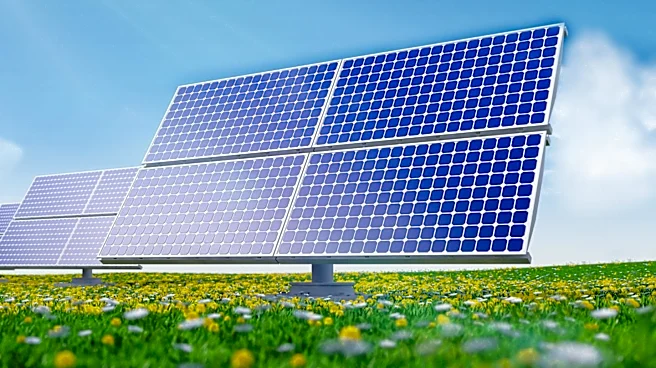
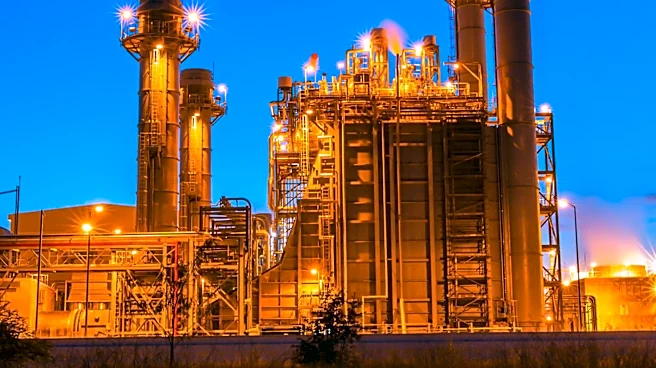
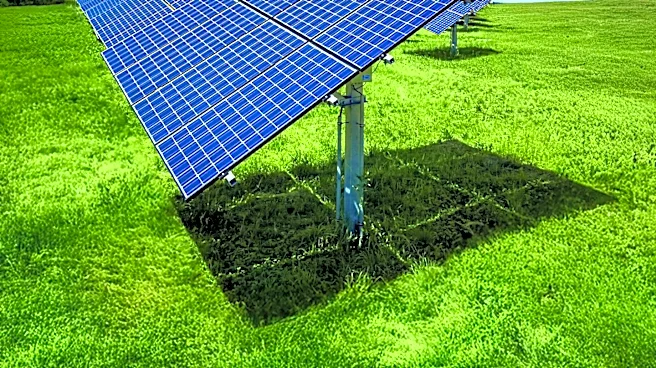
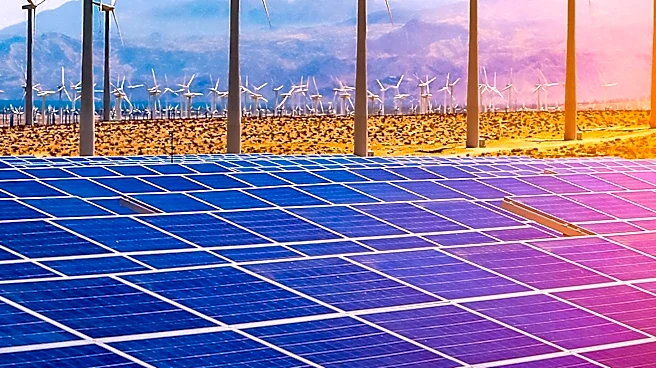
energy efficiency and diversify export markets beyond its traditional destinations. The country, a traditional oil and gas producer, is undergoing a substantial shift in its energy structure, prioritizing the development of renewable energy sources like solar and wind power. This focus on renewables aims to improve domestic power supply and reduce reliance on fossil fuels for internal consumption. By expanding its new energy installations, Azerbaijan anticipates reducing its domestic demand for natural gas in power generation, thereby freeing up more natural gas resources for export. This strategic move is expected to maximize the country's energy efficiency and strengthen its position in the global energy market.
Why It's Important?
This development is important as it signifies Azerbaijan's commitment to diversifying its energy portfolio and export capabilities. For the U.S. and its allies, increased natural gas exports from non-traditional suppliers like Azerbaijan could contribute to global energy security and potentially offer alternative sources of supply, reducing dependence on more volatile regions. The shift towards renewable energy within Azerbaijan also aligns with global efforts to combat climate change, showcasing a move towards sustainable energy practices even in a fossil-fuel-rich nation. Economically, this could lead to new trade relationships and investment opportunities for U.S. companies in Azerbaijan's energy sector, particularly in renewable energy infrastructure and gas export facilities. The acceleration of strategic investment projects also indicates a more streamlined and efficient approach to large-scale economic development, which could attract further international investment.
What's Next?
Azerbaijan is establishing a new institutional mechanism to accelerate the implementation of strategic investment projects. A Commission, formed by a Cabinet of Ministers decree, will ensure a unified approach to project planning and execution, and strengthen interagency coordination. This Commission will use a 'fast-track' mechanism to select and evaluate strategic investment projects based on objective analytical criteria, aiming to reduce implementation timelines by approximately 30-40%. The initial list of projects will be determined by the Ministry of Economy and then submitted to the Commission for consideration. This coordinated effort, involving various government bodies responsible for the economy, finance, energy, and other sectors, is designed to address complex issues such as land relations, infrastructure, energy supply, and customs regulation more efficiently. The focus will be on maintaining stable production and exports, progressing water handling projects, and securing full entitlement for past and present export sales at international prices.
Beyond the Headlines
The strategic shift by Azerbaijan to increase natural gas exports while simultaneously investing heavily in renewable energy sources highlights a complex interplay of economic pragmatism and environmental responsibility. This dual approach suggests a recognition that while fossil fuels remain a crucial revenue stream and geopolitical tool, long-term energy security and sustainability necessitate a transition to cleaner alternatives. The 'fast-track' mechanism for investment projects could serve as a model for other nations seeking to expedite critical infrastructure development, potentially influencing international best practices in project management and inter-agency cooperation. Furthermore, the diversification of export markets could reduce Azerbaijan's vulnerability to geopolitical pressures from traditional buyers, fostering greater economic independence. This move also subtly challenges the conventional narrative that oil and gas-rich nations are inherently resistant to renewable energy adoption, demonstrating a potential pathway for resource-dependent economies to evolve their energy strategies.