


What's Happening?
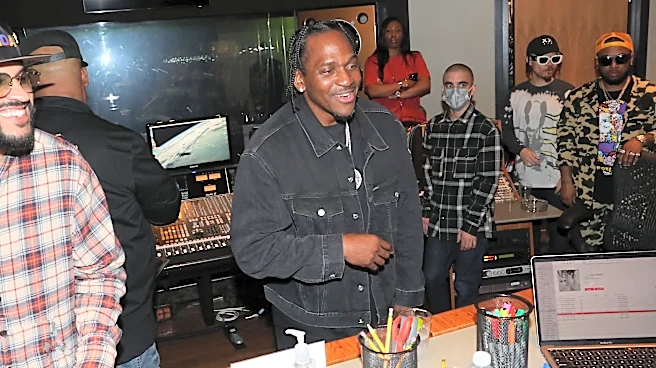
Rapper Pusha T has weighed in on the ongoing discussion about the role and boundaries of rap battles within Hip Hop culture. In an interview with The Wall Street Journal, Pusha T disagreed with Jay-Z's recent suggestion that rap battles might no longer
be necessary. Pusha T asserted that competition is an inherent and deeply ingrained aspect of Hip Hop, making it unlikely for artists to simply cease engaging in rivalries. However, he also stressed the importance of establishing limits, particularly when disagreements extend beyond musical expression and begin to impact artists' personal lives. His comments follow Jay-Z's March interview with GQ, where Jay-Z expressed concerns about the escalating hostility in recent high-profile feuds, such as the one between Kendrick Lamar and Drake, and the involvement of artists' families. Pusha T, known for his own intense lyrical battles, including his 2018 track "The Story of Adidon" which revealed details about Drake's son, highlighted the distinction between competitive lyrical warfare and taking disputes too far. He believes that as long as the conflict remains within the realm of music, it is acceptable, but anything beyond that crosses a line.
Why It's Important?
This discussion is significant for the Hip Hop industry as it reflects an internal debate among prominent artists about the genre's evolving ethics and competitive spirit. Pusha T's perspective, emphasizing the inevitability of competition while advocating for boundaries, offers a nuanced view that could influence how artists engage in future rivalries. The conversation touches upon the balance between artistic expression, competitive drive, and personal responsibility, especially in an era where social media can amplify disputes and fan reactions. For fans, it raises questions about the nature of entertainment they consume and the potential impact of intense feuds on artists' well-being and the broader culture. The differing opinions from influential figures like Jay-Z and Pusha T highlight a generational and experiential divide on what constitutes acceptable conduct in rap beefs, potentially shaping future norms for lyrical confrontation and collaboration within the genre. The debate also underscores the commercial implications of such rivalries, which can generate significant public interest and revenue, but also carry risks of negative publicity and personal fallout.
What's Next?
The ongoing dialogue initiated by Jay-Z and further elaborated by Pusha T is likely to continue shaping discussions within the Hip Hop community regarding the future of rap battles. Other artists may be prompted to share their views, potentially leading to a broader consensus or further divergence on the acceptable limits of lyrical warfare. This could influence how record labels and management approach artist rivalries, perhaps encouraging more contained or less personally invasive forms of competition. Fans might also become more vocal about their expectations for artist conduct during feuds, potentially impacting public perception and support for artists who cross perceived lines. While a formal policy change is unlikely, the collective sentiment among influential artists could subtly shift the culture, encouraging a focus on musical prowess over personal attacks. Future rap beefs will likely be scrutinized through the lens of these discussions, with artists potentially facing greater public and industry pressure to adhere to certain ethical boundaries.
Beyond the Headlines
The debate surrounding rap battles extends beyond mere entertainment, touching upon deeper ethical and cultural considerations within Hip Hop. It highlights the tension between the genre's roots in competitive verbal sparring and its evolution into a global cultural and commercial phenomenon. The discussion about personal boundaries in rap beefs reflects broader societal conversations about privacy, online harassment, and the impact of public figures' actions on their personal lives and families. It also raises questions about the responsibility of artists to their audience and to each other, particularly when their words can incite intense reactions. The differing views from artists like Jay-Z and Pusha T underscore the complex interplay between tradition and modernity in Hip Hop, as the genre grapples with maintaining its competitive edge while adapting to contemporary ethical standards. This internal reflection could lead to a more mature and self-aware approach to conflict within the genre, potentially fostering an environment where artistic rivalry can thrive without causing undue personal harm.