





What's Happening?
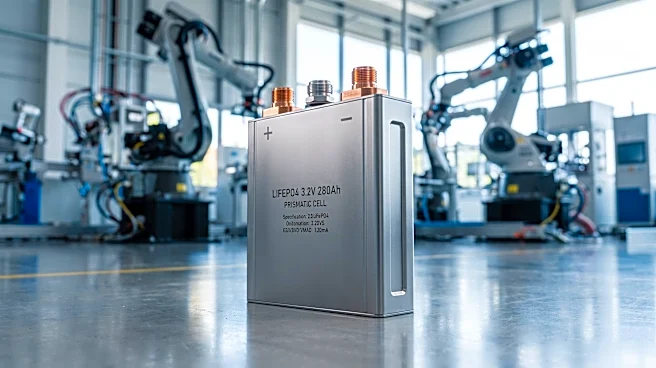
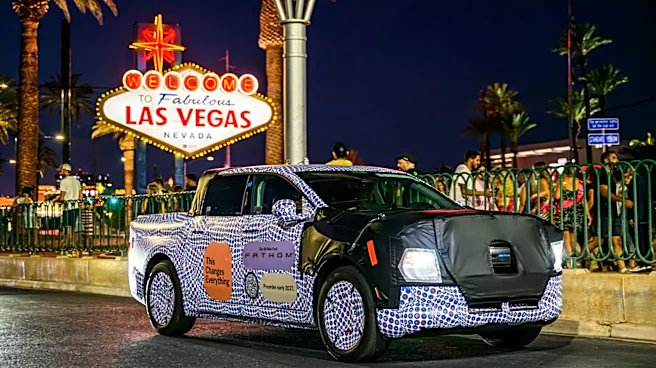
Ford has commenced the production of its own lithium iron phosphate (LFP) prismatic battery cells at the BlueOval Battery Park Michigan. These first cells are being shipped to the Louisville Assembly Plant to power Ford Fathom prototypes. This marks Ford's
entry into the battery manufacturing business, making it the first company to deliver LFP batteries in the U.S. for mainstream consumer automotive use. The assembly lines at the Michigan plant are capable of producing 40 cells per minute, positioning them among the fastest LFP prismatic battery assembly lines outside of China. Ford's decision to produce LFP batteries stems from a strategic goal to make electric vehicles (EVs) more affordable, as LFP chemistry does not use nickel or cobalt, which helps reduce costs. The company is utilizing battery technology licensed from CATL, a leading battery manufacturer. This initiative is part of a broader effort to build expertise in producing high-quality batteries at scale, supporting both more affordable EVs and Ford Energy’s battery energy storage business in Kentucky.
Why It's Important?
Ford's move to produce its own LFP batteries is a significant development for the U.S. automotive industry and the broader EV market. By manufacturing batteries in-house, Ford aims to reduce the cost and weight of its EVs, directly addressing one of the primary barriers to wider EV adoption: affordability. The use of LFP chemistry, which is less reliant on expensive and ethically complex materials like nickel and cobalt, contributes to this cost reduction and enhances battery durability. This strategic shift could give Ford a competitive advantage by allowing greater control over its supply chain, reducing dependence on external suppliers, and potentially accelerating the development of new EV models. Furthermore, this initiative fosters domestic battery manufacturing capabilities, which is crucial for national economic security and job creation in the advanced manufacturing sector. The expertise gained will also support Ford's expansion into the energy storage business, diversifying its revenue streams and contributing to the broader energy transition.
What's Next?
The immediate next step involves the integration of these newly produced LFP battery cells into Ford Fathom prototypes at the Louisville Assembly Plant. This will allow for real-world testing and validation of the in-house manufactured batteries. Ford will likely continue to scale up production at the BlueOval Battery Park Michigan, aiming to supply a larger portion of its EV lineup with these cost-effective batteries. The company's focus will be on optimizing the manufacturing process to maintain high quality while further driving down costs. We can anticipate Ford to announce specific EV models that will incorporate these LFP batteries in the near future, potentially leading to more competitively priced electric vehicles in the market. The success of this venture could also influence other U.S. automakers to explore similar in-house battery production strategies, further localizing the EV supply chain.
Beyond the Headlines
Ford's investment in domestic battery production signifies a deeper commitment to controlling critical components of its future vehicle lineup, moving beyond traditional automotive assembly. This vertical integration strategy could reshape the competitive landscape of the EV industry, potentially leading to greater innovation and faster development cycles. The emphasis on LFP technology also highlights a broader industry trend towards more sustainable and cost-effective battery chemistries, reducing reliance on materials with volatile pricing and geopolitical implications. This move could also spur further investment in battery material processing and recycling within the U.S., creating a more circular economy for EV components. Long-term, Ford's ability to produce its own batteries could position it as a leader not just in vehicle manufacturing, but also in energy solutions, as battery technology becomes increasingly central to both transportation and grid-scale energy storage.