


What's Happening?
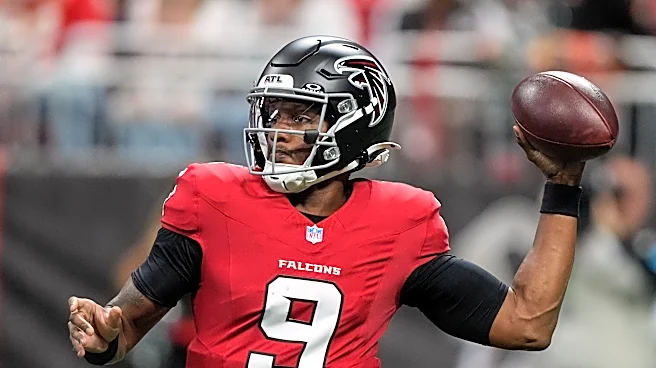
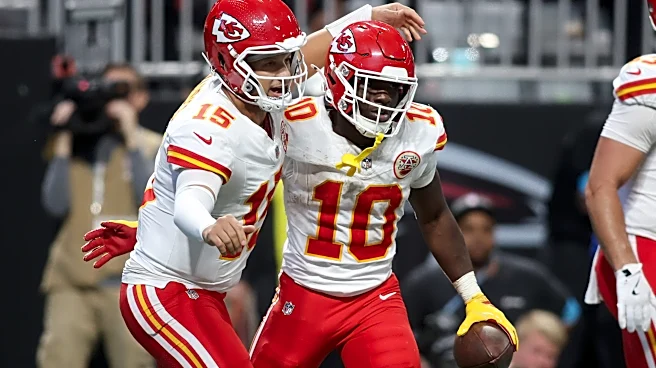
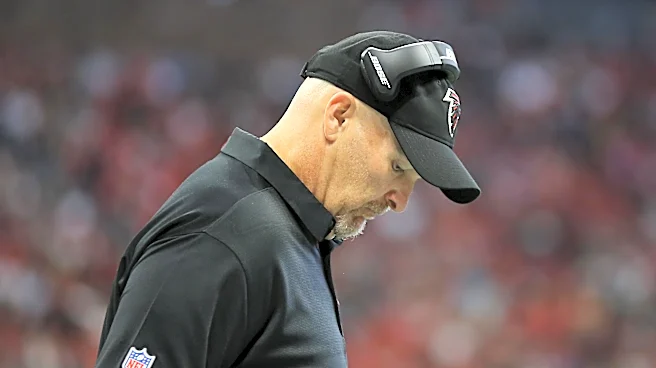
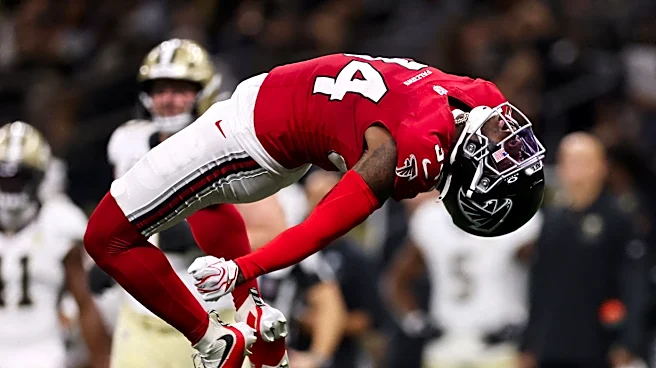
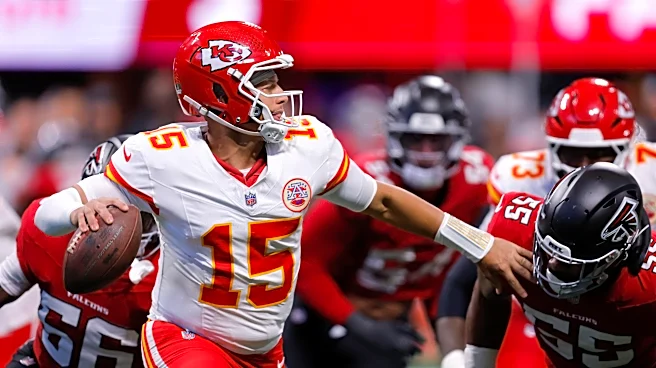
Atlanta Falcons head coach Kevin Stefanski is under increasing scrutiny as the team holds a 3-7 record after ten games, following a 35-13 loss to the Kansas City Chiefs. This performance mirrors the struggles Stefanski experienced during his five-year
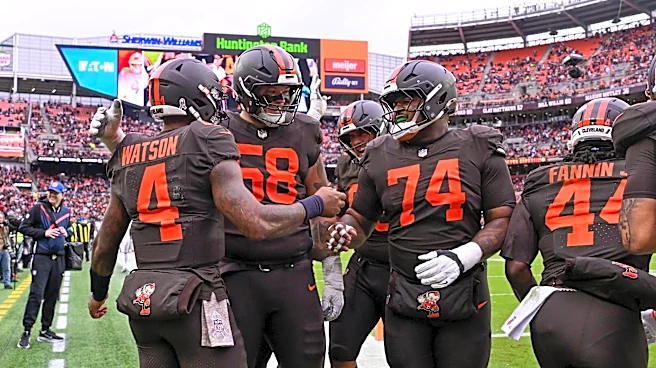
tenure with the Cleveland Browns, despite the Falcons possessing what is considered a better roster. According to Yahoo Sports, Falcons fans are now observing the same patterns of unforced errors, slow starts, and issues with offensive execution that plagued his previous team. Stefanski's coaching style and perceived lack of in-game adjustments are being questioned, with critics suggesting his two Coach of the Year awards were 'narrative-based' rather than reflective of consistent coaching prowess. The team's inability to leverage dynamic players like Bijan Robinson in a weak division further highlights the concerns surrounding Stefanski's leadership and offensive strategy. The national media, which previously lauded him as an 'offensive guru,' is now seeing a shift in perception as the Falcons' performance under his guidance falters.
Why It's Important?
The performance of Kevin Stefanski and the Atlanta Falcons is significant for several reasons within the U.S. sports landscape. For the Falcons organization, continued struggles could lead to significant financial and fan engagement repercussions, impacting ticket sales, merchandise, and overall team valuation. For Stefanski, his reputation as a head coach is at stake; a continued poor showing could diminish future coaching opportunities in the NFL. This situation also highlights a broader issue in professional sports regarding how coaching talent is evaluated and the influence of media narratives on public perception. The questioning of Stefanski's Coach of the Year awards suggests a re-evaluation of criteria for such accolades, potentially shifting focus from team win-loss records to more granular coaching effectiveness. Furthermore, the comparison to his time with the Browns underscores the challenges of coaching transitions and the difficulty of replicating success or rectifying past issues in a new environment, even with improved player talent. This scenario impacts fan bases in both Cleveland and Atlanta, as they grapple with the implications of coaching decisions and team performance.
What's Next?
As the Atlanta Falcons continue their season with a 3-7 record, the immediate future will likely involve increased pressure on Kevin Stefanski to demonstrate tangible improvements in team performance and strategy. Fans and media will be closely watching for any adjustments in play-calling, offensive schemes, or in-game management. Should the team's struggles persist, discussions about Stefanski's job security will intensify, potentially leading to calls for a coaching change by the end of the season or sooner. The Falcons' front office will face decisions regarding the coaching staff's future, especially if the team fails to capitalize on its roster talent and division standing. For Stefanski, the coming weeks are crucial for demonstrating his ability to adapt and lead the team to better results. The ongoing narrative will also influence how other NFL teams perceive coaching candidates with similar backgrounds, potentially leading to more rigorous evaluations of past achievements and coaching methodologies in future hiring cycles.
Beyond the Headlines
Beyond the immediate win-loss record, the situation with Kevin Stefanski and the Falcons touches upon deeper aspects of professional sports culture and evaluation. It raises questions about the sustainability of coaching philosophies that may not adapt to different team compositions or league trends. The critique that Stefanski's Coach of the Year awards were 'narrative-based' highlights a potential flaw in how success is measured and celebrated in sports, suggesting that media storylines can sometimes overshadow objective performance analysis. This could lead to a broader re-examination within the NFL of how coaching effectiveness is assessed, moving beyond simple win-loss records to include metrics like player development, in-game adjustments, and strategic innovation. Furthermore, the fan frustration in Atlanta, mirroring that previously seen in Cleveland, underscores the emotional investment of fan bases and their demand for accountability from team leadership. This ongoing situation could influence future hiring practices, prompting teams to conduct more thorough due diligence on coaching candidates, scrutinizing their adaptability and problem-solving skills rather than solely relying on past accolades or media perception.