




What's Happening?
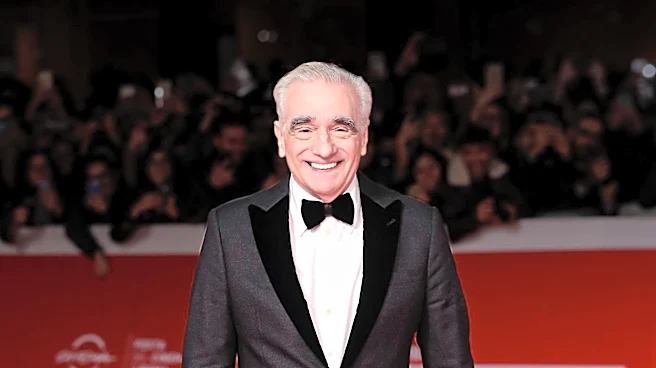
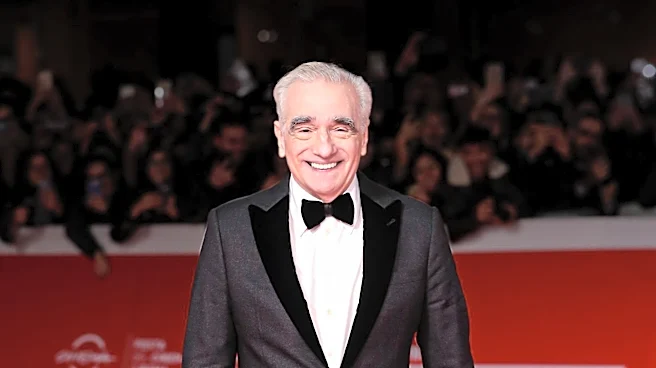
Director Martin Scorsese revealed that his planned 'Cleopatra' film, starring Angelina Jolie, was canceled due to the 2014 Sony Pictures hack. During an interview with his daughter Francesca, Scorsese stated that the hack, carried out by a North Korean
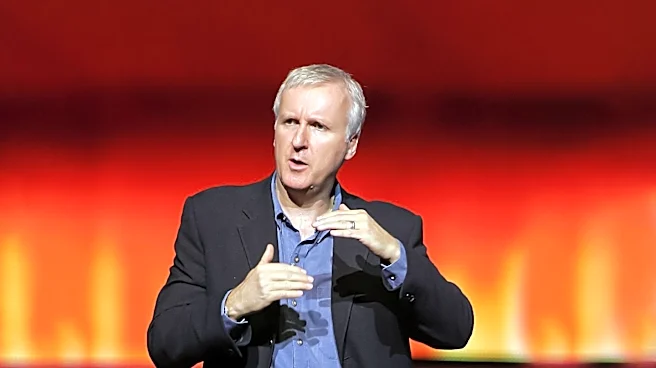
state-sponsored group in response to Sony's film 'The Interview,' led to the project's demise. He humorously attributed the cancellation to North Korean leader Kim Jong Un's lack of humor regarding the satirical film. The hack resulted in the leak of confidential Sony employee emails and data, causing significant disruption within the studio. Scorsese noted that Angelina Jolie was set to portray Cleopatra VII in what he described as a 'really wild' cinematic endeavor. Prior to Scorsese's involvement, other prominent filmmakers such as David Fincher, James Cameron, Paul Greengrass, and Ang Lee had also been considered for directing a 'Cleopatra' project.
Why It's Important?
The cancellation of a high-profile film like Scorsese's 'Cleopatra' due to a cyberattack highlights the significant and far-reaching impact of digital security breaches on the entertainment industry. This incident underscores how geopolitical tensions and cyber warfare can directly disrupt creative projects and financial investments in Hollywood. For studios, it emphasizes the critical need for robust cybersecurity measures to protect sensitive information and ongoing productions. The loss of a film with such a renowned director and lead actress represents a missed opportunity for cinematic art and potential box office revenue. It also serves as a stark reminder that the digital landscape has introduced new vulnerabilities that can derail even the most anticipated projects, affecting not only the creators but also the audiences who anticipate such films.
What's Next?
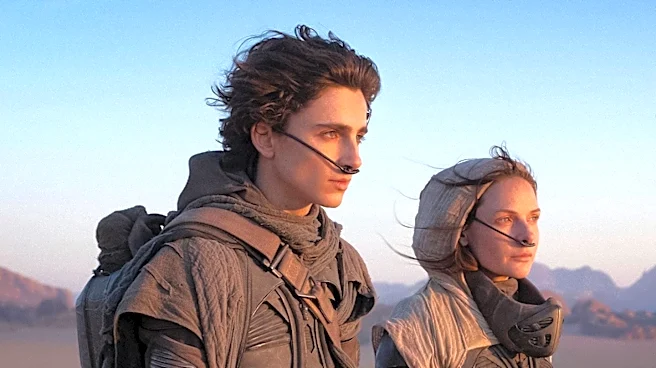
While Scorsese's 'Cleopatra' project is definitively off the table due to the 2014 hack, the concept of a new 'Cleopatra' film continues to circulate in Hollywood. Following the Sony hack, David Scarpa was hired in 2016 to rewrite a 'Cleopatra' script. More recently, director Denis Villeneuve was reportedly in talks to direct a version starring Zendaya. However, Villeneuve's current commitments, including 'Dune: Part Three' and the next James Bond film, make his immediate involvement unlikely. The ongoing interest in the story suggests that studios may continue to explore new iterations of the historical epic, but future projects will undoubtedly face heightened scrutiny regarding their security and potential geopolitical implications, especially given the precedent set by the Sony hack.
Beyond the Headlines
The 'Cleopatra' film's cancellation transcends a mere production halt; it illustrates the complex interplay between global politics, digital security, and artistic freedom. The incident revealed how a nation-state's response to perceived satire could directly impact a major U.S. film studio, leading to significant financial and creative losses. This event sparked broader discussions within the entertainment industry about self-censorship, the protection of intellectual property, and the vulnerabilities of digital infrastructure. It also highlighted the ethical dilemmas faced by studios when balancing creative expression with potential international repercussions. The legacy of the Sony hack continues to influence how Hollywood approaches sensitive subjects and manages its digital assets, underscoring a new era where cyber threats are as significant as traditional production challenges.