






What's Happening?
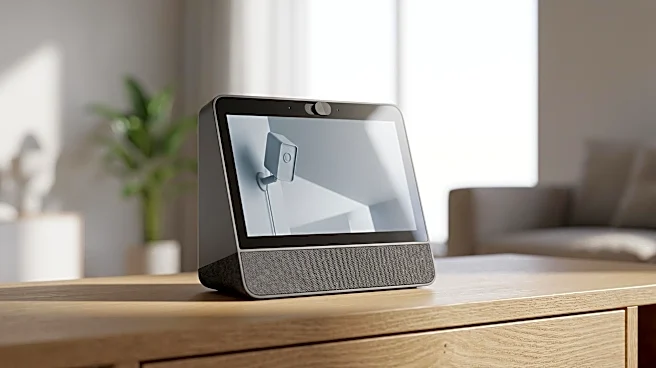
Google is reportedly preparing a significant hardware refresh for its Google TV Streamer, introducing hands-free voice commands and presence detection. The upcoming device is expected to maintain a similar design to the existing model but will feature
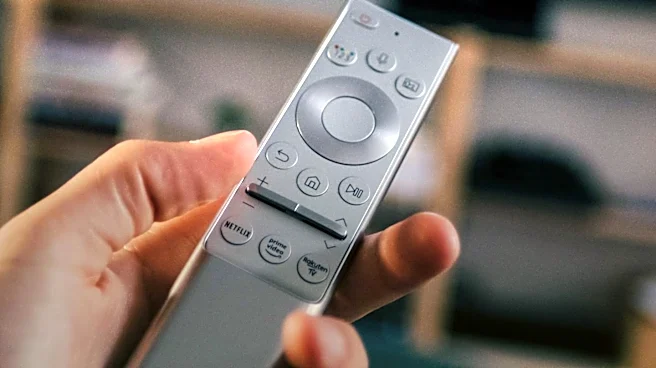
a slightly narrower body and new capabilities aimed at improving user convenience. A key enhancement is the integration of built-in microphones, allowing users to control their television using voice commands like 'Hey Google' without needing the remote. This functionality will enable users to search for content, launch applications, manage playback, and ask questions directly through the streaming device. Additionally, the new streamer is anticipated to include presence sensing, which could allow the television to automatically respond when someone enters or approaches a room, potentially activating a Google Photos screensaver or an ambient information display. The device is also expected to feature a faster processor and increased onboard storage for improved responsiveness and app capacity. These upgrades follow a price increase for the current Google TV Streamer, raising questions about the positioning and pricing of the next-generation model.
Why It's Important?
This upgrade signifies Google's commitment to integrating televisions more deeply into the smart home ecosystem, potentially transforming them into central smart home hubs. The introduction of hands-free voice control and presence sensing could significantly enhance user interaction with smart home devices, making technology more accessible and intuitive for a broader audience. For consumers, this means a more seamless and integrated entertainment and smart home experience, reducing the need for multiple remotes or manual controls. For the technology industry, this move by Google could intensify competition in the smart home market, pushing other manufacturers to innovate and offer similar advanced features. It also highlights a trend towards voice-first interfaces and ambient computing, where devices anticipate user needs and respond proactively. The increased processing power and storage will also improve the overall performance and longevity of the device, potentially reducing the frequency of hardware upgrades for users.
What's Next?
While Google has not yet announced a launch date or pricing for the new device, the reported features suggest a substantial evolution for the Google TV Streamer. The company's previous four-year gap between Chromecast with Google TV 4K and the current model does not necessarily indicate a similar timeline for this upgrade. Once released, the new streamer is expected to compete directly with other smart home and streaming devices, potentially setting new standards for voice control and smart home integration in televisions. The success of this device will likely influence future developments in smart TV technology and voice assistant capabilities across the industry. Consumers can anticipate a more integrated and responsive smart home experience, with the television playing a more central role in managing connected devices and providing ambient information.
Beyond the Headlines
The enhanced Google TV Streamer represents a broader shift towards ambient intelligence, where technology seamlessly integrates into daily life and anticipates user needs. The hands-free voice control and presence sensing features move beyond simple command-and-response interactions, creating a more intuitive and less intrusive technological environment. This development could have significant implications for privacy, as devices continuously monitor presence and listen for commands, necessitating robust data protection measures and transparent user controls. Furthermore, the transformation of the television into a smart home hub could alter how households interact with their living spaces, potentially leading to more automated and personalized environments. This evolution also raises questions about digital literacy and accessibility, as the reliance on voice commands may exclude individuals with certain disabilities or language barriers, highlighting the need for inclusive design in future smart home technologies.