






What's Happening?
Black Hills Energy (BHE) has filed an application with the state utility commission to implement an additional surcharge for its customers in Rapid City, South Dakota. This request comes just one week after an interim rate increase that saw average monthly
bills rise by approximately $25. The proposed surcharge, averaging an additional $19.70 per month, is intended to recover costs associated with the new Lange Two generating station, located adjacent to the existing Lange One facility on Deadwood Avenue in Rapid City. If approved, this surcharge would appear on customer bills as a 'Phase in Plan Rate' (PIPR) and is slated to go into effect at the beginning of December. BHE Regional Public Affairs Manager Lynn Kendall stated that the company is not taking these cost impacts lightly and has opted for a phased-in plan to allow customers to budget for the increases. The company also noted that the interim rate change was implemented to recoup investments made over the past 12 years since rates were last established.
Why It's Important?
This proposed rate increase by Black Hills Energy carries significant implications for the residents and businesses of Rapid City, South Dakota. The cumulative effect of the recent interim increase and the potential new surcharge means customers could see their monthly energy bills rise by nearly $45 in a short period. Such an increase can place a considerable financial burden on households, particularly those with fixed incomes or tight budgets, potentially leading to reduced discretionary spending and increased financial stress. For businesses, higher energy costs can translate into increased operating expenses, which may be passed on to consumers through higher prices for goods and services, or could impact profitability and investment decisions. The utility company's justification, citing investments made over a decade ago and the construction of a new generating station, highlights the ongoing challenge of balancing infrastructure development and maintenance with affordable energy rates for consumers. The decision by the state utility commission will therefore be crucial in determining the economic landscape for Rapid City residents and businesses in the coming months.
What's Next?
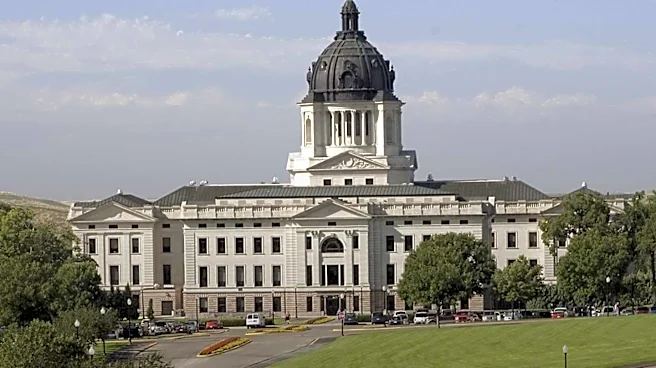
The state utility commission will now review Black Hills Energy's application for the additional surcharge. This process typically involves public hearings and a thorough examination of the company's financial justifications for the rate increase, including the costs associated with the Lange Two generating station. Customers and consumer advocacy groups will likely have opportunities to voice their concerns and provide input during this review period. If the surcharge is approved, it will go into effect at the start of December, appearing on bills as a 'Phase in Plan Rate' (PIPR). The commission's decision will determine the final financial impact on Black Hills Energy customers in Rapid City. The company's phased-in approach suggests an attempt to mitigate immediate shock, but the cumulative effect of recent and proposed increases will remain a key point of public and regulatory scrutiny.
Beyond the Headlines
The recurring requests for rate increases by utility companies like Black Hills Energy underscore a broader national challenge concerning aging infrastructure, the transition to new energy sources, and the cost recovery mechanisms for these investments. While utility companies are obligated to provide reliable service and maintain their infrastructure, the financial burden often falls directly on consumers. This situation can exacerbate energy poverty, where a significant portion of household income is spent on energy, disproportionately affecting lower-income communities. The regulatory framework for utility rates aims to balance the financial health of utility providers with consumer protection, but finding this equilibrium is often contentious. This case in Rapid City highlights the ongoing tension between the need for utility companies to invest in modern infrastructure and the public's demand for affordable and stable energy costs, prompting discussions about long-term energy policy, infrastructure funding, and consumer safeguards.