



What's Happening?
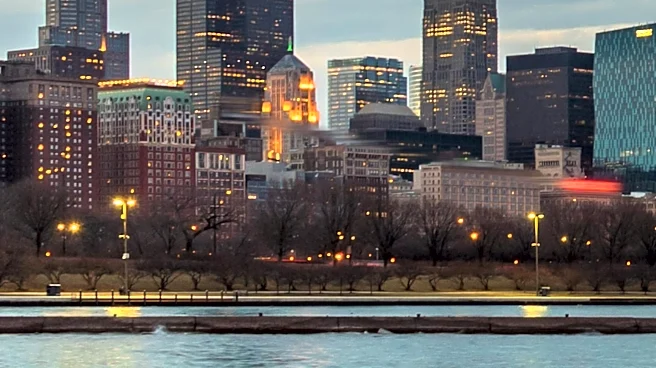
The WNDR Museum, known for its interactive and Instagram-worthy installations, is closing its doors after eight years. The Chicago location in the West Loop will cease operations on September 7, while its Boston counterpart, which opened in 2022, will close
on August 30. The museum made the announcement via social media, expressing gratitude to its guests, artists, and team members for making the spaces places for play, wonder, connection, and memory creation. WNDR Museum featured rotating exhibitions, hosted summer camps, art classes, and served as a venue for various events, often attracting influencers. It had previously closed for an extended period during the pandemic but reopened in February 2021 with new exhibitions.
Why It's Important?
The closure of WNDR Museum's Chicago and Boston locations signifies a shift in the landscape of experiential entertainment and art spaces. These museums, which capitalized on the popularity of interactive and visually appealing installations, often designed for social media sharing, represent a modern approach to engaging audiences. Their closure could indicate challenges in sustaining this model, especially in a post-pandemic environment where audience engagement and operational costs have evolved. The WNDR Museum's role in hosting community events, art classes, and summer camps also highlights its broader impact beyond just an art exhibit, suggesting a loss of cultural and recreational opportunities for the communities it served. The trend of 'Instagram-worthy' attractions has been a significant part of the entertainment industry, and this closure might prompt a re-evaluation of their long-term viability and appeal.
What's Next?
Following the announced closures, the WNDR Museum will conclude its operations in Chicago on September 7 and in Boston on August 30. The immediate next steps will involve the winding down of exhibits and administrative processes. For the communities in Chicago and Boston, the closure means the loss of a unique interactive art space that catered to a specific demographic interested in immersive experiences. The staff and artists associated with the museum will need to seek new opportunities. The broader implications for the experiential art industry might include a re-assessment of business models, a focus on more sustainable engagement strategies, or a pivot towards different forms of interactive entertainment to maintain audience interest and financial viability in a competitive market.
Beyond the Headlines
The closure of WNDR Museum points to a deeper conversation about the sustainability and evolution of contemporary art and entertainment venues, particularly those heavily reliant on digital trends and social media engagement. While initially successful in attracting visitors through visually appealing and shareable content, the long-term challenge lies in maintaining novelty and relevance. This event could signal a maturation of the 'experience economy,' where initial hype may not translate into enduring success without continuous innovation and a strong value proposition beyond aesthetics. It also raises questions about the role of such institutions in fostering genuine artistic appreciation versus providing backdrops for social media content. The impact on local cultural ecosystems, particularly for emerging artists who might have found a platform in such venues, is also a consideration.