







What's Happening?
An anti-inflammatory diet focuses on consuming foods that help reduce inflammation within the body. Key components of this dietary approach include almonds, salmon, avocados, blueberries, extra-virgin olive oil, kale, green tea, and beets. The diet also
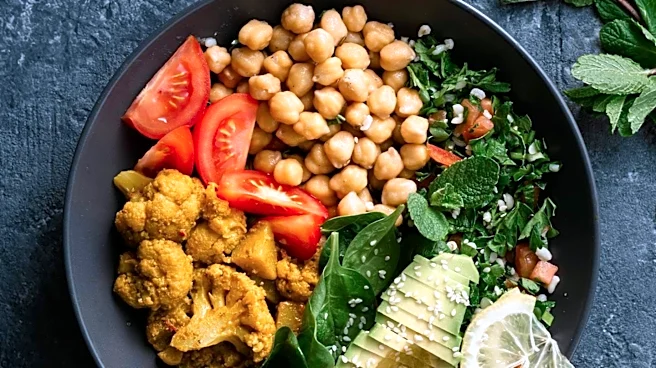
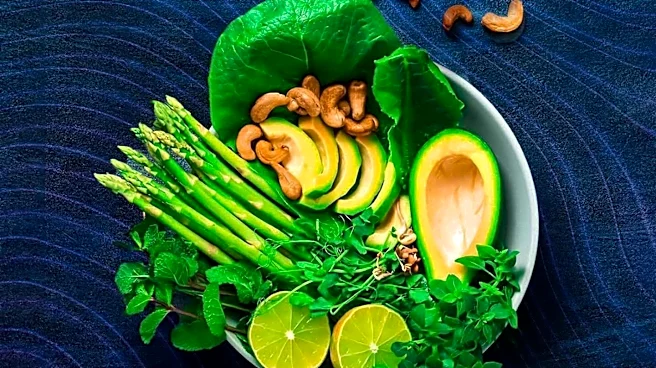
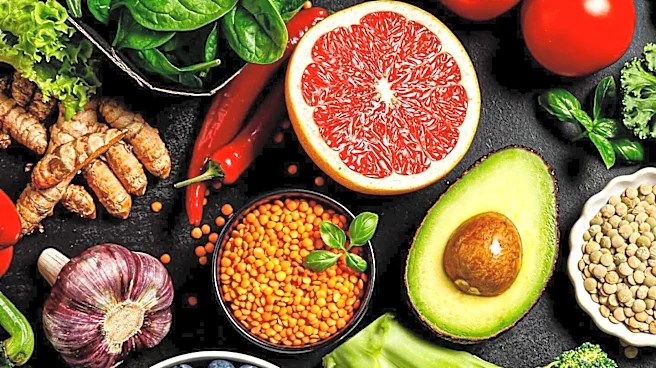
stresses the importance of incorporating natural foods, vegetables, and fruits while avoiding processed foods and alcohol. Stevia, a natural sweetener, has shown potential anti-inflammatory effects in preclinical studies. For meal planning, suggestions include soups like harirra and ramen with soba noodles, and protein-rich options such as salmon. This dietary pattern aims to manage chronic, low-grade inflammation that can persist for extended periods and is linked to various health conditions. The approach prioritizes an overall Mediterranean-style diet, which has stronger evidence for its benefits compared to relying on single 'superfoods.'
Why It's Important?
Chronic inflammation, which can last for months or years, is linked to a range of conditions including arthritis, type 2 diabetes, and heart disease. Diet is one of the few modifiable factors that can directly influence this type of inflammation. By adopting an anti-inflammatory diet, individuals can potentially mitigate the risks and symptoms associated with these chronic conditions. Foods rich in omega-3s, fiber, antioxidants, and phytochemicals, such as those found in salmon, almonds, blueberries, and kale, play a crucial role. Omega-3s help regulate inflammatory signaling molecules, polyphenols and antioxidants neutralize free radicals, and fiber feeds gut bacteria that produce short-chain fatty acids, which regulate immune response. This dietary strategy offers a proactive approach to health management, potentially reducing the burden of chronic diseases and improving overall well-being by addressing inflammation at its root.
What's Next?
Individuals interested in adopting an anti-inflammatory diet can start by integrating the recommended foods into their daily routines. This involves building meals around fatty fish, colorful produce, leafy greens, healthy fats, and high-fiber vegetables. A practical approach includes consuming salmon or other fatty fish about twice weekly, and regularly using extra-virgin olive oil, lightly cooked vegetables, nuts, and fruits. For breakfast, one might combine blueberries with plain yogurt and almonds. Lunch could feature a kale salad with salmon and an olive oil-based dressing, while dinner might include roasted broccoli and beets alongside a chosen protein. It is important to note that while this diet can complement healthy habits and medical care, it does not replace treatment for diagnosed inflammatory or autoimmune conditions. Consulting with a registered dietitian is recommended for personalized guidance, especially for those managing chronic conditions or considering supplements.
Beyond the Headlines
The emphasis on whole dietary patterns, such as the Mediterranean diet, over isolated 'superfoods' highlights a broader shift in nutritional science towards holistic approaches. This perspective acknowledges the complex interplay of nutrients within foods and how they collectively impact the body's inflammatory responses. The diet's focus on gut health, through fiber and beneficial compounds, underscores the growing understanding of the gut microbiome's role in systemic inflammation and overall health. This approach moves beyond symptomatic treatment, aiming to foster a resilient internal environment. The caution against high-dose supplements and the recommendation to consult healthcare professionals for specific conditions also reflect a responsible and evidence-based approach to dietary interventions, promoting informed choices and discouraging reliance on quick fixes.