







What's Happening?
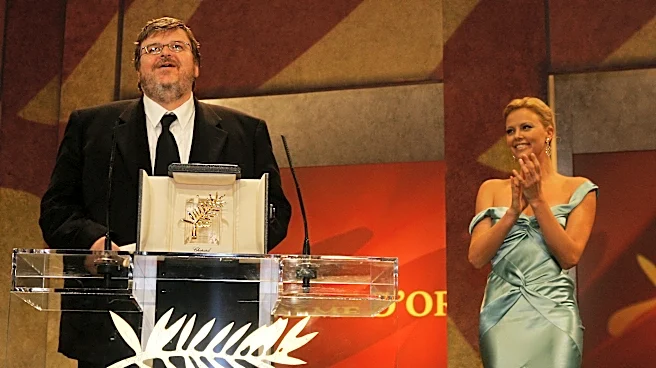
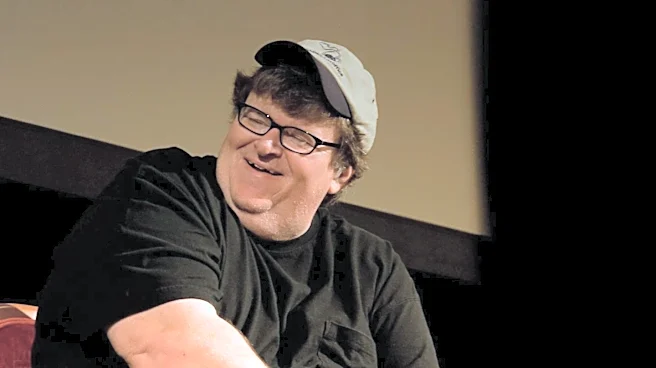
Michael Moore's 'Fahrenheit 9/11,' a documentary released two decades ago, is being referenced in discussions about the ethical challenges and controversies surrounding documentary filmmaking. The film, which examined President George W. Bush’s foreign
policy following the 9/11 attacks, brought millions of Americans to theaters but also generated criticism for alleged exaggerations and omissions. This historical context is being brought up in light of new documentaries, such as 'You Can See Everything,' which is also facing scrutiny regarding its portrayal of truth and potential manipulation. The debate around 'Fahrenheit 9/11' highlights a long-standing issue in the documentary genre: the tension between compelling storytelling and factual accuracy, and the potential for filmmakers to shape narratives. The film's commercial success and critical reception underscore the significant impact documentaries can have on public discourse and political perceptions.
Why It's Important?
The re-evaluation of 'Fahrenheit 9/11' in contemporary discussions about documentary ethics is important for the U.S. media landscape and public understanding of truth. In an era marked by widespread disinformation and conspiracy theories, the integrity of documentary filmmaking is crucial. Moore's film, by sparking debate on its factual basis, set a precedent for how audiences and critics scrutinize non-fiction narratives, particularly those with strong political viewpoints. This ongoing discussion affects how U.S. audiences consume information, influencing their trust in media and their ability to discern objective facts from curated narratives. The ethical questions raised by films like 'Fahrenheit 9/11' and newer releases like 'You Can See Everything' are vital for maintaining the documentary genre's role as a credible source of investigative journalism and social commentary, impacting public policy debates and societal understanding of complex issues.
What's Next?
The ongoing scrutiny of documentary ethics, exemplified by the discussions around 'Fahrenheit 9/11' and newer films, suggests a continued trend towards greater transparency and accountability in non-fiction filmmaking. Audiences and critics are likely to demand more rigorous standards for factual accuracy and disclosure of filmmaking methodologies. This could lead to new industry guidelines or best practices for documentary production, particularly concerning the use of archival footage, interviews, and narrative construction. Filmmakers may face increased pressure to address potential biases and manipulations explicitly. The debate may also influence funding decisions for documentaries, with a greater emphasis placed on projects that prioritize journalistic integrity. Ultimately, this could foster a more discerning audience and a more responsible approach to documentary storytelling in the U.S.
Beyond the Headlines
The ethical dilemmas highlighted by 'Fahrenheit 9/11' extend beyond mere factual accuracy to touch upon the very nature of truth and perception in a mediated world. Moore's film, like others that have faced similar critiques, forces a deeper examination of how narratives are constructed and how they can influence public consciousness. It raises questions about the responsibility of filmmakers to present a balanced view, even when advocating for a particular perspective. The film's impact on the political discourse surrounding the Bush administration and the Iraq War demonstrates the power of documentaries to shape historical understanding and public memory. This ongoing conversation about documentary ethics is crucial for a democratic society, as it encourages critical thinking about the information we consume and the narratives that define our collective reality, especially in an age where 'truth' can be highly subjective.