






What's Happening?
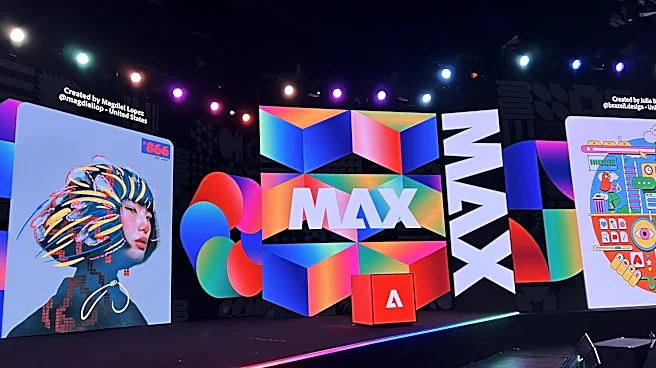
Adobe has announced a significant expansion of its Firefly AI Assistant, enabling it to perform multi-step tasks and take on recurring assignments within the Creative Cloud suite. Unveiled at the company's Max conference in Miami, the updated AI Assistant now
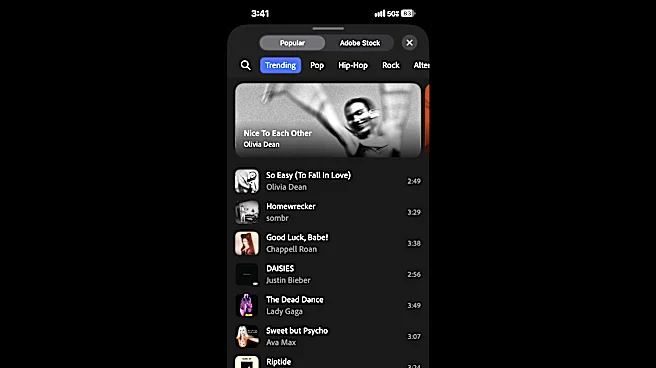
features a planning mode where users can review and edit proposed workflows before execution. This allows for greater control over how the AI orchestrates tasks, with options to select specific models or let Adobe's software decide. Furthermore, users can now define brand guidelines and color palettes that the assistant will apply across various projects, ensuring consistency. Adobe is also introducing new always-on agents capable of handling recurring tasks, such as sorting footage during upload, applying LUTs, cleaning audio, and backing up files. A new agent is also being integrated into the Premiere mobile app to facilitate natural language editing, initially available in private preview. Additionally, Adobe is testing MCP connections to allow chatbots local access to Photoshop, Illustrator, Premiere, and After Effects for tasks like layer editing.
Why It's Important?
This advancement by Adobe signifies a major shift in how creative professionals and small businesses can leverage AI to streamline their workflows. By automating multi-step and recurring tasks, the Firefly AI Assistant can significantly reduce the time spent on repetitive processes, allowing creatives to focus more on conceptualization and refinement. This could democratize access to sophisticated creative tools, enabling entrepreneurs and individuals with less technical expertise to produce high-quality content more efficiently. The ability to enforce brand guidelines automatically ensures consistency across projects, which is crucial for businesses. For the creative industry, this could lead to increased productivity and potentially alter job roles, with a greater emphasis on AI supervision and strategic creative direction rather than manual execution. The integration of AI into mobile editing further extends these capabilities, making professional-grade tools more accessible on the go.
What's Next?
Adobe plans to roll out the new Premiere mobile app agent more broadly after its private preview phase. The company will likely continue to integrate more advanced AI capabilities across its Creative Cloud applications, further enhancing automation and user control. As these tools become more sophisticated, there will be an ongoing focus on user feedback to refine the AI's performance and ensure it meets the diverse needs of its user base. The testing of MCP connections suggests a future where external AI chatbots can directly interact with Adobe's professional software, potentially creating a more interconnected and intelligent creative ecosystem. Adobe's strategy indicates a continuous evolution towards making its AI assistants more proactive and capable of handling complex creative challenges, pushing the boundaries of what AI can achieve in design and media production.
Beyond the Headlines
The expansion of Adobe's AI capabilities raises broader questions about the future of creative work and the role of human creativity. While Adobe emphasizes that its goal is to empower creatives and help them hone their craft, the increasing autonomy of AI assistants could lead to discussions about job displacement and the definition of originality in AI-assisted creations. The ethical implications of AI-generated content, particularly concerning intellectual property and authenticity, will likely become more prominent. Furthermore, the reliance on AI for creative tasks could influence educational curricula for aspiring designers and artists, shifting focus from manual proficiency to AI proficiency and strategic oversight. The balance between AI efficiency and human artistic expression will be a critical ongoing dialogue as these technologies continue to advance and integrate into daily creative practices.