





What's Happening?
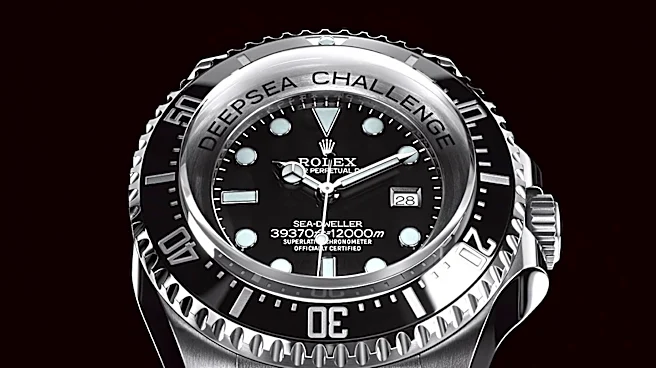
The necessity and frequency of watch servicing vary significantly depending on the type of watch and manufacturer recommendations. While some brands like Seiko suggest servicing mechanical watches approximately every three years, Rolex advises intervals
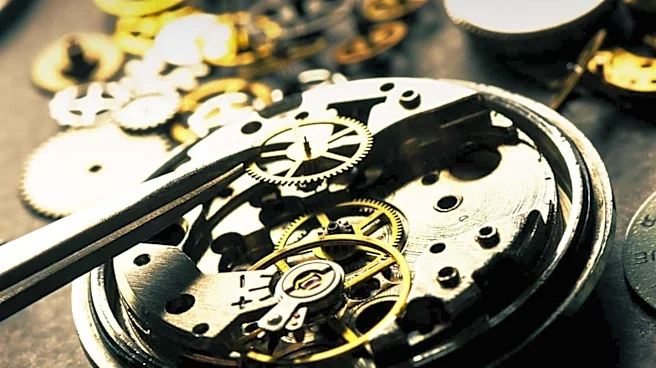
of around ten years. Experts like Paul Altieri, CEO of Bob's Watches, and Mills Menser, CEO of Diamond Banc, note that the traditional three-to-five-year rule is no longer universal, with longer intervals becoming more common. Mechanical watches, which contain numerous tiny moving parts, require lubrication that can deteriorate over time, increasing the risk of damage if not serviced. Quartz watches, with fewer moving parts, generally need less maintenance, often just a battery replacement. Servicing costs can range from $50-$100 for a battery to several hundred or even over $1,000 for a complete mechanical overhaul, depending on complexity and the service provider.
Why It's Important?
This information is crucial for U.S. watch owners, particularly those with valuable mechanical timepieces, as it underscores the importance of proactive maintenance to preserve their investment. Neglecting regular servicing can lead to costly repairs or irreversible damage, diminishing both the functional and monetary value of a watch. The varying recommendations highlight the need for owners to consult their specific manufacturer's guidelines rather than relying on general rules of thumb. For the watch industry, clear communication about servicing expectations can build customer trust and ensure the longevity of their products, supporting the market for luxury and collectible watches. Understanding these nuances also helps consumers budget for maintenance, preventing unexpected expenses and ensuring their watches remain reliable and accurate.
What's Next?
Watch owners are advised to check their manufacturer's specific recommendations for servicing intervals and to seek professional attention if their watch exhibits signs of trouble, such as poor timekeeping, reduced power reserve, or condensation. It is recommended to obtain an itemized estimate before approving any work, especially for expensive mechanical watches. Owners of vintage or collectible watches should also specify whether they wish to preserve original components and avoid cosmetic refinishing, as these factors can significantly impact collector value. The choice between authorized service centers, local jewelers, or independent watchmakers depends on the watch's warranty status, complexity, and the owner's preferences regarding original parts and cost. Documenting service history is also important for maintaining resale value.
Beyond the Headlines
Beyond the practical aspects of maintenance, the discussion around watch servicing touches on the broader philosophy of ownership and preservation in a consumer-driven society. For many, a watch is more than a time-telling device; it's an heirloom, a symbol of personal achievement, or a piece of art. The decision to service a watch, even if the cost exceeds its market value, often reflects sentimental attachment or a commitment to craftsmanship. This highlights a counter-narrative to planned obsolescence, where consumers choose to invest in the longevity of quality items. The debate over authorized versus independent repair also reflects ongoing discussions about consumer rights, access to repair, and the control manufacturers exert over their products' lifecycle. For collectors, the integrity of original components versus functional repair presents an ethical dilemma, balancing usability with historical authenticity.