





What's Happening?
The concept of AI distillation has become a focal point of discussion in the tech world, from Silicon Valley to Washington, D.C. Distillation involves using the outputs of advanced AI models to train smaller, more efficient models. This practice has raised
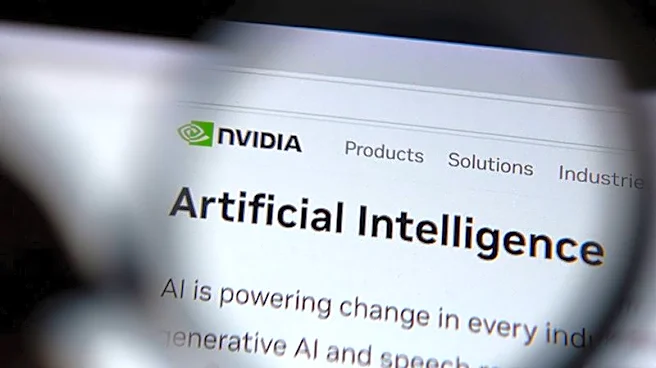
concerns about intellectual property theft, particularly after Chinese company Moonshot AI released a competitive model, Kimi K3, allegedly using distillation techniques on U.S. models. White House advisor Michael Kratsios highlighted the issue, suggesting that Moonshot's rapid progress was due to distillation of Anthropic's Fable model. The controversy has prompted tech giants like Nvidia and Microsoft to urge policymakers against imposing restrictions that could hinder innovation.
Why It's Important?
The debate over AI distillation underscores the tension between innovation and intellectual property protection. As AI technology advances, the ability to distill models could democratize access to powerful AI tools, potentially lowering costs and fostering competition. However, it also poses risks of intellectual property theft, particularly in the context of U.S.-China tech rivalry. The outcome of this debate could shape the future of AI development, influencing regulatory approaches and international relations. Companies like Anthropic, which have invested heavily in AI, are concerned about protecting their investments, while others argue that open access could drive technological progress.
What's Next?
The ongoing discussions around AI distillation are likely to influence future policy decisions regarding intellectual property and technology sharing. Policymakers may need to balance the benefits of open innovation with the need to protect proprietary technologies. The tech industry is expected to continue advocating for minimal restrictions to maintain competitive advantages. Meanwhile, companies like Anthropic may seek stronger legal protections against unauthorized use of their models. The resolution of these issues will have significant implications for the global AI landscape, potentially affecting how AI technologies are developed, shared, and regulated.