








What's Happening?
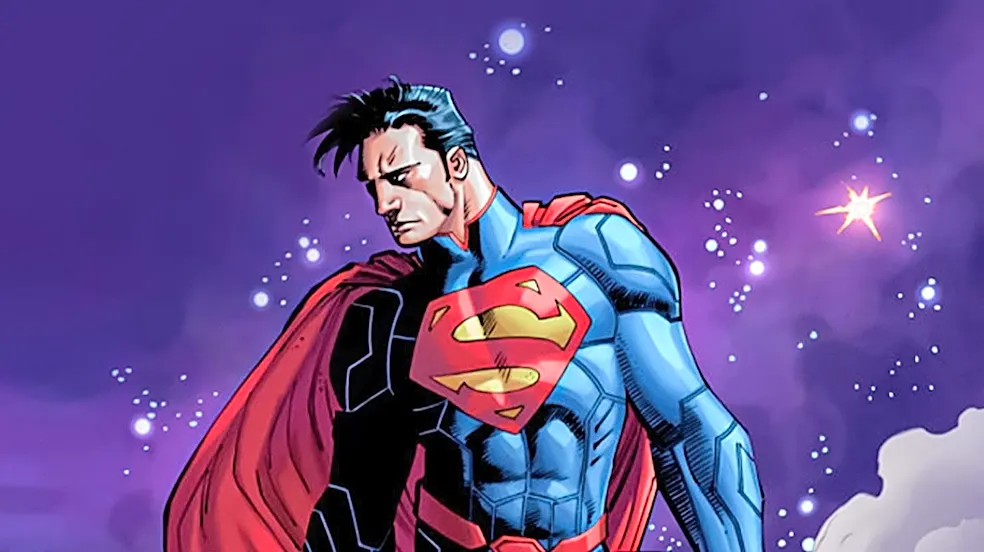
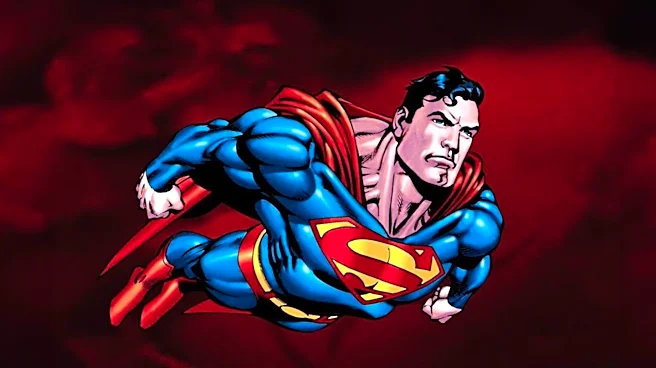
In a Halloween-themed comic story, Superman encounters a series of ghostly villains, including Composite Superman, Metallo, and Zha-Vam. These apparitions attempt to force Superman to beg for mercy, but he consistently refuses to surrender. The mystery
behind these encounters is eventually revealed to be Nador, a powerful young alien shapechanger who can duplicate others' powers. Nador was sent by a group called the Omega Commandos to make Superman plead for his life as a test to join their ranks. The story, from 'Superman #214' (February 1969), also features Lois Lane's suspicions about Clark Kent's secret identity and a brief encounter with a hitman. Ultimately, Superman's unwavering resolve impresses the Omega Commandos, allowing Nador to join their group.
Why It's Important?
This story is important for its exploration of themes beyond typical superhero action, particularly the message about judging individuals based on their appearance. The Omega Commandos initially dismiss Nador due to his 'goofy-looking' appearance, highlighting societal prejudices. Superman's actions, however, demonstrate that character and resolve are more significant than superficial traits. This narrative subtly critiques superficial judgments and promotes acceptance, a message that resonates beyond the comic book world. It also showcases a classic example of Superman's moral fortitude, reinforcing his iconic status as a symbol of hope and unwavering principles. The story's focus on a scientific explanation for the 'ghosts' rather than supernatural elements also reflects a trend in comics of that era to ground fantastical events in a more rational framework.
What's Next?
While this specific comic story is a standalone narrative from 1969, its themes of moral integrity and challenging prejudice remain relevant. For the character of Superman, such stories contribute to the ongoing development of his persona as a moral compass in the DC Universe. Future comic narratives and adaptations could draw upon these foundational elements to explore contemporary issues of appearance-based discrimination or the importance of inner strength. The concept of the Omega Commandos, an 'exclusive interplanetary club' with a peculiar initiation, also presents a potential avenue for future storytelling, perhaps exploring their unique rules and interactions with other cosmic entities in the DC continuity.
Beyond the Headlines
The story's underlying message about judging people by their appearance delves into a deeper societal issue that transcends the comic book medium. The Omega Commandos' initial rejection of Nador based on his looks, despite his immense power, mirrors real-world biases and discrimination. Superman's ability to see beyond Nador's appearance and recognize his true character offers a powerful ethical lesson. This narrative also subtly touches on the evolution of storytelling in comics, particularly the shift from more standalone, self-contained issues to longer, interconnected arcs. The story's use of scientific explanations for seemingly supernatural events reflects a period in comics where creators often sought to rationalize fantastical elements, providing a glimpse into the cultural and scientific perspectives of the time.