







What's Happening?
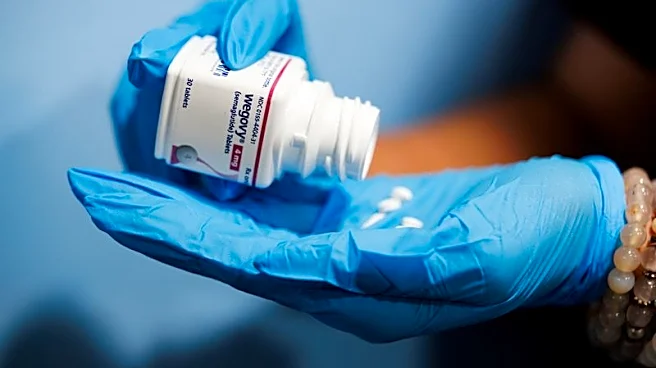
The food industry is adapting to the needs of GLP-1 medication users, who experience reduced appetite and earlier satiety. Manufacturers are focusing on smaller, nutrient-dense portions that include protein and fiber, catering to these consumers' changing
dietary habits. This shift is driven by the growing number of GLP-1 users, estimated to reach 15-20 million in the U.S. by 2026. Companies are innovating with compact formats like snack bars and mini baked goods, aiming to provide indulgent yet portion-controlled options that fit into the lifestyle of GLP-1 users.
Why It's Important?
The adaptation of food products for GLP-1 users highlights a significant shift in consumer demand and industry response. As the number of individuals using GLP-1 medications increases, the food industry must innovate to meet these consumers' needs, focusing on nutrient density and portion control. This trend could lead to broader changes in food manufacturing and marketing strategies, emphasizing health and wellness. The shift also presents opportunities for businesses to capture a growing market segment, potentially influencing product development and consumer engagement strategies across the industry.
What's Next?
As the demand for GLP-1-friendly products grows, food manufacturers are likely to continue innovating with new formulations and product lines. This could lead to increased research and development in nutrient-dense foods and alternative proteins. Restaurants may also adapt their menus to offer smaller, protein-forward dishes, appealing to a broader health-conscious audience. The trend towards personalized nutrition and portion control is expected to expand, influencing future food industry standards and consumer expectations.