






What's Happening?
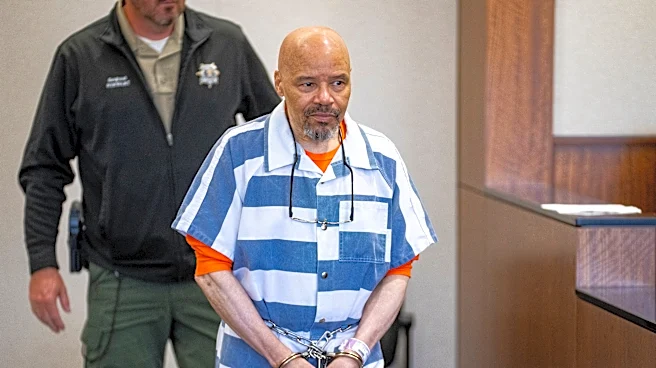
Alika Smith, a former University of Hawai'i basketball star and high school coach, has been sentenced to four years of probation for second-degree theft and negotiating a worthless check. Hilo Circuit Judge Peter Kubota also ordered Smith to seek treatment
for a gambling addiction, complete 250 hours of non-sports-related community service, and serve a year in jail, with the jail term suspended pending his compliance with probation conditions. Smith, whose legal name is Justin Alika Pekelo Smith, pleaded no contest to the charges. The theft involved Smith pocketing $3,627 from parents of Waiakea High School basketball team members, funds intended for hotel accommodations for a preseason trip. He then allegedly wrote a bad check for the remaining balance owed to Sports Travel Hawaii LLC. Deputy Attorney General Thomas Michener highlighted Smith's continuous deception and financial situation as reasons to deny a deferred acceptance of his plea, which would have removed the felony conviction from his record.
Why It's Important?
This case underscores the significant impact of personal misconduct, particularly gambling addiction, on individuals in positions of trust within sports and education. Alika Smith, a respected figure in Hawai'i basketball, had a prominent career as a player for the University of Hawai'i and later as a successful high school coach, leading his alma mater, Kalaheo High School, to three state championships. His actions have led to a loss of trust within the community, as articulated by Waiakea's athletic director, Kalei Namohala, who noted that Smith's conduct undermined the values of integrity, discipline, and leadership expected of role models. The sentencing emphasizes the legal system's approach to addressing financial crimes linked to addiction, mandating treatment and community service alongside probation. This incident serves as a cautionary tale about the vulnerabilities even accomplished individuals can face, and the broader implications for youth sports programs that rely on the integrity of their leadership.
What's Next?
Alika Smith will now begin his four-year probation period, during which he must adhere to the conditions set by Judge Kubota, including seeking treatment for his gambling addiction and completing 250 hours of community service. The judge explicitly ordered Smith to stay away from gamblers and bookies, except in therapeutic settings, and to avoid casinos and sportsbooks. While a deferred acceptance of his plea was initially denied, Judge Kubota indicated he would reconsider it based on Smith's performance during his probation, particularly his community service and adherence to treatment. Smith is also required to repay his mother, who covered the stolen funds. The outcome of his probation will determine whether the felony conviction remains on his record. This situation will likely prompt ongoing discussions within Hawai'i's sports community regarding oversight and support systems for coaches and mentors.
Beyond the Headlines
The case of Alika Smith extends beyond a simple theft conviction, touching upon deeper societal issues such as the pervasive nature of gambling addiction and its potential to derail even highly respected careers. Smith's attorney, Kai McGuire, characterized the incident as an 'unfortunate misunderstanding,' but the prosecution highlighted a pattern of 'continuous deception.' This narrative points to the complex interplay between personal struggles, public trust, and accountability, especially for figures who serve as role models. The judge's emphasis on Smith's past as a 'Rainbow Warriors star player' and the disappointment felt by the community underscores the moral and ethical dimensions of leadership in sports. The incident may also spark broader conversations about mental health and addiction support within athletic programs, from collegiate to high school levels, to prevent similar occurrences and provide resources for individuals facing such challenges.