






What's Happening?
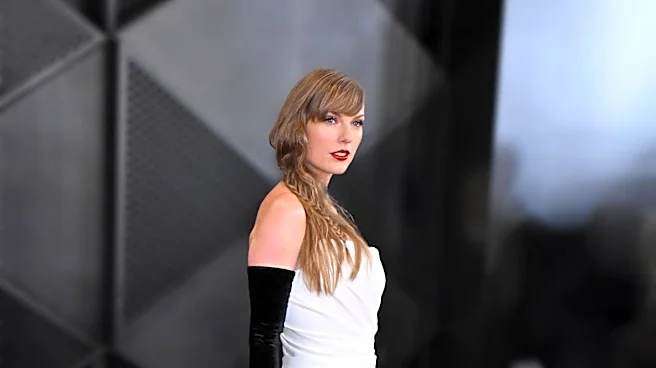
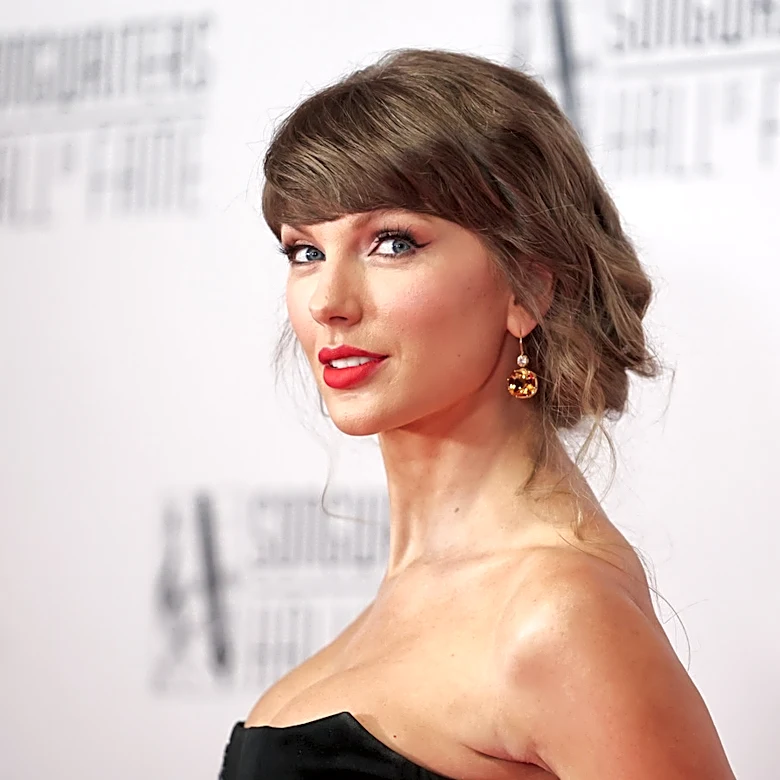
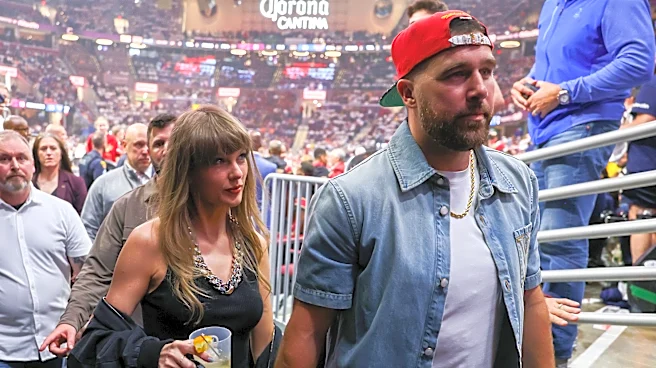
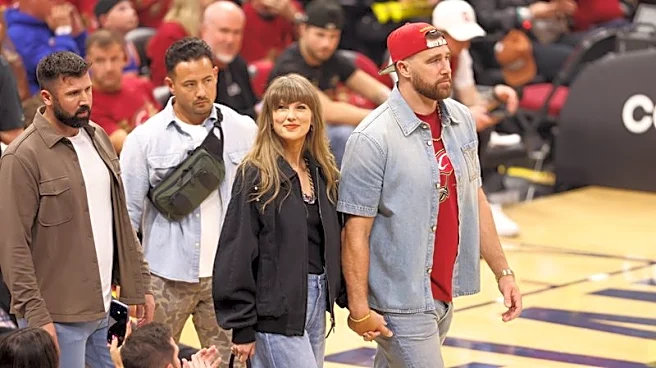
Taylor Swift is reportedly set to marry football player Travis Kelce over the Fourth of July weekend, sparking a flurry of betting activity on prediction markets like Polymarket and Kalshi. These platforms allow users to place 'event contracts' on various
aspects of the wedding, such as the date, location, and even whether Swift will be pregnant before the marriage. Over $5.2 million has been traded on these markets, with New York being the favored location for the wedding. The phenomenon has attracted a significant number of female traders, with Kalshi noting that the event is a major cultural moment for Swift's fans. However, the practice of betting on personal details of a celebrity's life has raised ethical concerns, with experts warning that it could dehumanize the individuals involved and alter the nature of fans' relationships with them.
Why It's Important?
The betting frenzy surrounding Taylor Swift's wedding highlights the growing trend of commodifying celebrity lives, which can have broader implications for how society views public figures. Experts argue that such practices can transform parasocial relationships—where fans feel a personal connection to celebrities—into transactional ones, potentially leading to disappointment and financial loss. This shift could also encourage more invasive behavior from fans, as they might feel entitled to influence or predict personal decisions of celebrities. The situation underscores the ethical dilemmas posed by prediction markets, which blur the lines between entertainment and personal privacy, and raises questions about the impact of such platforms on public perceptions of celebrity culture.
What's Next?
As the wedding date approaches, it is likely that the volume of bets and the scrutiny on Swift and Kelce will increase. This could lead to further legal challenges for platforms like Kalshi, which are already facing lawsuits over the nature of their operations. Additionally, the outcome of these bets could influence future regulations on prediction markets, especially those involving personal aspects of public figures' lives. Stakeholders, including fans, legal experts, and the platforms themselves, will need to navigate the ethical and legal complexities of this emerging trend. The response from Swift and Kelce, as well as their management teams, could also shape how similar situations are handled in the future.
Beyond the Headlines
The trend of betting on celebrity events like weddings reflects a broader cultural shift towards the commodification of personal lives. This raises important questions about privacy and the ethical boundaries of fan engagement. As celebrities become more accessible through social media and other platforms, the line between public and private life continues to blur, challenging traditional notions of celebrity and fandom. The situation also highlights the potential for financial exploitation, as fans may be drawn into betting markets without fully understanding the risks involved. This could lead to a reevaluation of how society engages with celebrity culture and the responsibilities of platforms that facilitate such interactions.