






What's Happening?
SAG-AFTRA, under the leadership of President Sean Astin, has introduced a new initiative called the Pre-Funding Pitch Interactive Media Agreement. This agreement allows video game developers to hire professional union actors for creating pitch materials,
such as demos, trailers, and vertical slices, before securing full production funding. The goal is to enhance the quality of these promotional materials, making projects more appealing to potential investors. According to Sean Astin, known for his role as Samwise Gamgee, this agreement enables developers to elevate their projects by involving professional voice and motion capture actors early in the process. Duncan Crabtree-Ireland, SAG-AFTRA's executive director and CEO, highlighted that this simplifies the hiring of union professionals, offering developers a competitive edge in securing necessary funding within the highly competitive industry. The agreement has specific conditions: projects must not have already secured more than 30% of their initial planned funding, and the created materials cannot be commercially distributed or made publicly playable. Crowdfunded projects are also excluded, though exceptions can be requested on a case-by-case basis.
Why It's Important?
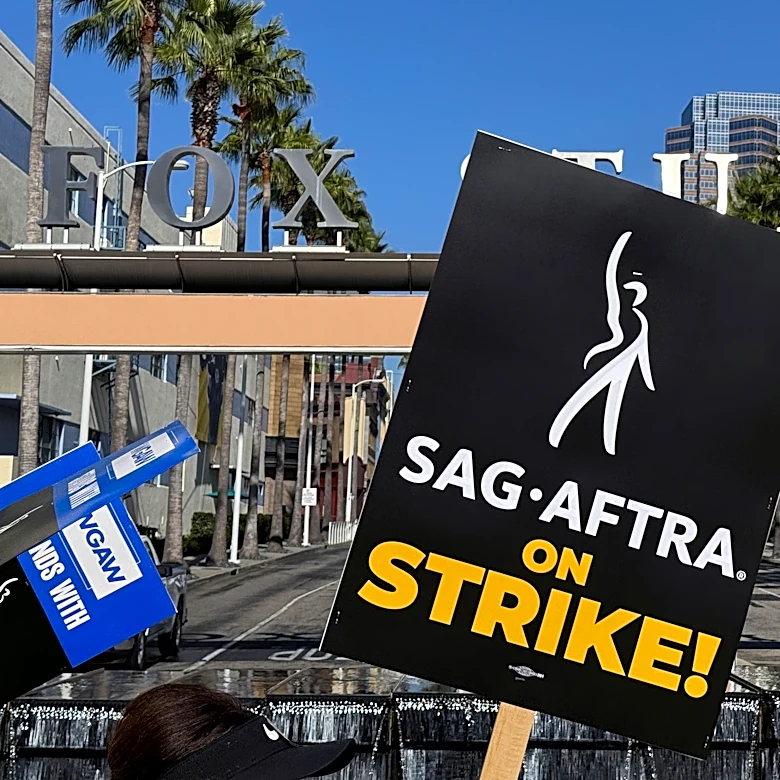
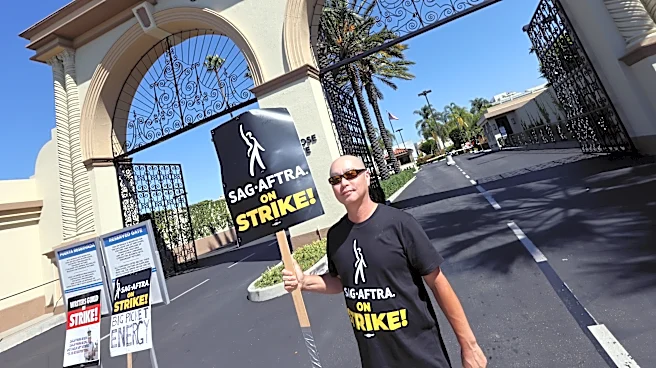
This new SAG-AFTRA agreement is significant for both the video game industry and union actors. For developers, particularly independent studios and those seeking investment, it provides a structured and legitimate way to access professional talent for early-stage project development. This can lead to higher quality pitch materials, potentially increasing their chances of securing crucial funding in a competitive market. For SAG-AFTRA and its members, the agreement expands opportunities for union actors into a previously less formalized area of the video game production pipeline. It ensures that even preliminary work is done under union contracts, potentially improving working conditions, compensation, and protections for actors involved in game development. This move also reflects SAG-AFTRA's proactive approach following an 11-month strike against major video game companies, which focused on compensation, safety, and protections against AI use. By extending union presence to the pre-funding phase, SAG-AFTRA aims to solidify the role of professional actors throughout the entire game development lifecycle.
What's Next?
The implementation of the Pre-Funding Pitch Interactive Media Agreement is expected to facilitate more collaborations between video game developers and SAG-AFTRA actors. Developers will likely begin utilizing this agreement to enhance their project pitches, potentially leading to a noticeable improvement in the quality of early-stage game presentations. SAG-AFTRA will continue to monitor the agreement's effectiveness and may adjust its terms based on feedback from both developers and actors. The union's focus will remain on ensuring fair practices and expanding opportunities for its members within the evolving interactive media landscape. This initiative could also set a precedent for other creative industries to formalize the involvement of professional talent in early development stages, particularly where funding acquisition is a critical hurdle.
Beyond the Headlines
This agreement subtly addresses broader industry trends, including the increasing sophistication of video game development and the growing demand for high-quality voice acting and motion capture. By formalizing the engagement of union actors at the pitch stage, SAG-AFTRA is not only creating new job opportunities but also reinforcing the value of professional human talent in an era where artificial intelligence is becoming more prevalent. The emphasis on preventing commercial distribution of these early materials also highlights concerns about intellectual property and fair compensation, ensuring that actors are properly credited and compensated for their contributions, even if a project doesn't immediately go into full production. This move could influence how other creative unions approach early-stage project development and funding, potentially leading to more standardized practices across the entertainment sector.