



What's Happening?
CrossFit exercises are primarily derived from three core disciplines: weightlifting, gymnastics, and monostructural cardio. This methodology focuses on high-intensity functional movements designed to improve overall fitness. For beginners, the emphasis
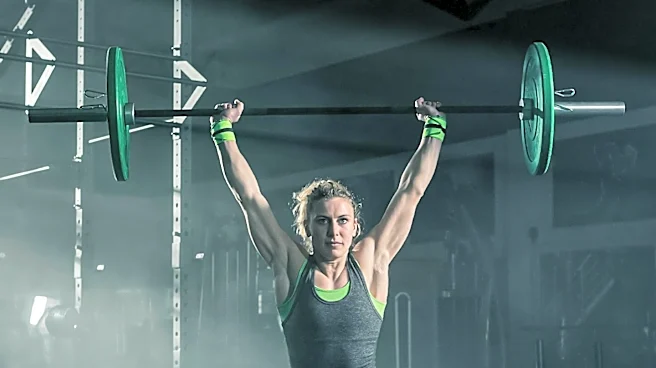
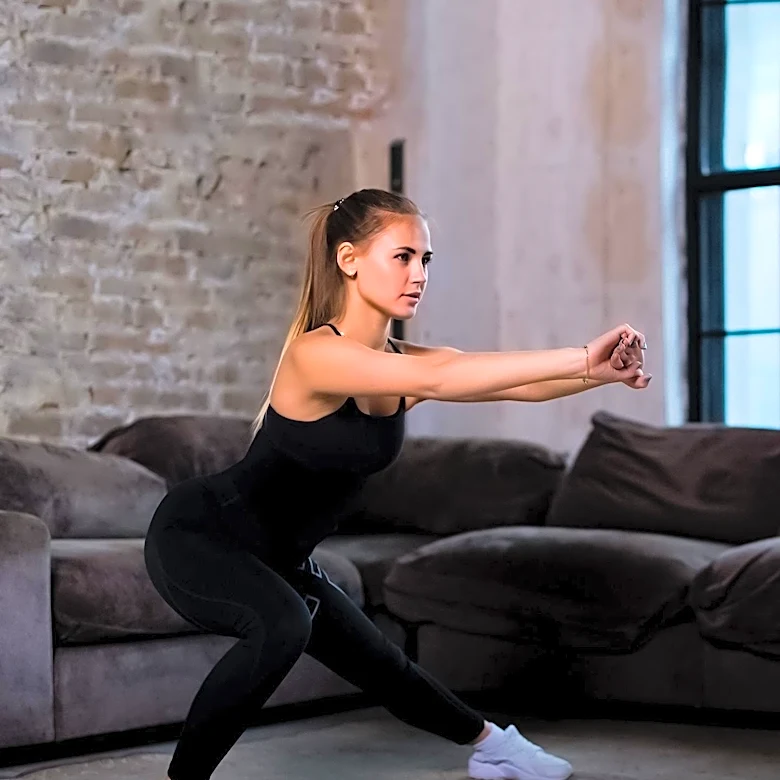
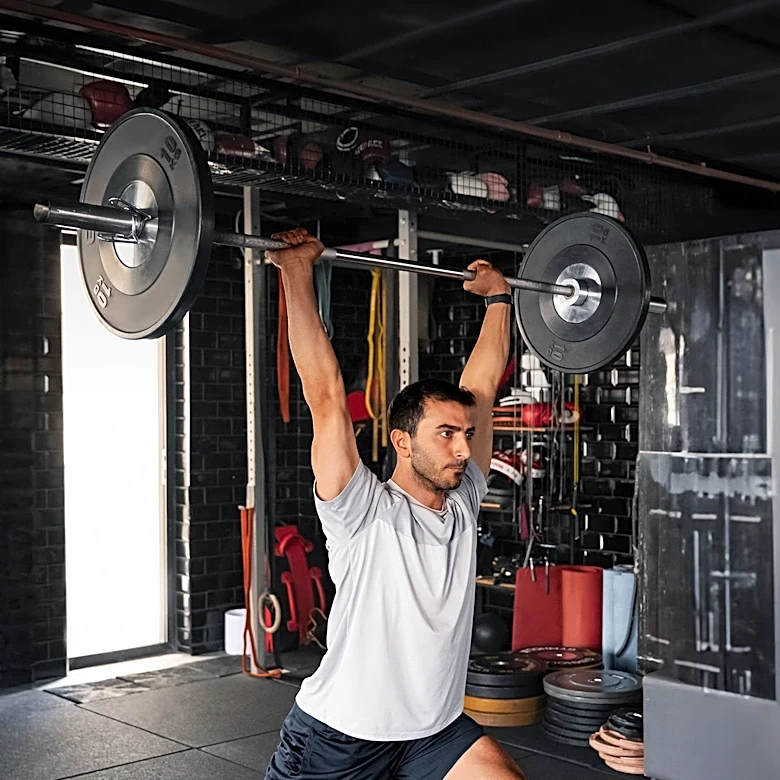
is on mastering foundational movements before progressing to more complex or heavier lifts. Key starting exercises include air squats, light deadlifts, goblet squats, shoulder presses, elevated push-ups, ring rows, step-ups, carries, and controlled cardio. The top ten CrossFit exercises, which cover essential movement patterns like squatting, hinging, pressing, pulling, and conditioning, are the air squat, deadlift, front squat, shoulder press, push press, clean, pull-up, push-up, burpee, and row. CrossFit trainers guide participants through workouts that integrate these diverse movements, aiming for a holistic approach to physical conditioning. The program also identifies nine foundational movements, including the air squat, front squat, overhead squat, shoulder press, push press, push jerk, deadlift, sumo deadlift high pull, and medicine-ball clean, which are crucial for building a strong base.
Why It's Important?
The CrossFit methodology offers a comprehensive approach to fitness that can significantly impact individuals' health and well-being across the U.S. By combining elements of weightlifting, gymnastics, and cardio, it promotes a broad and inclusive fitness regimen, moving beyond specialized training to foster general physical preparedness. This integrated approach can lead to improved strength, endurance, flexibility, and coordination, which are beneficial for daily life activities and reducing the risk of injury. The emphasis on scalable exercises means that individuals of varying fitness levels, from beginners to advanced athletes, can participate and progress safely. This accessibility can broaden participation in physical activity, contributing to a healthier population and potentially reducing healthcare burdens associated with sedentary lifestyles. Furthermore, the community aspect often associated with CrossFit gyms can provide motivation and support, helping individuals adhere to their fitness goals and fostering a sense of belonging.
What's Next?
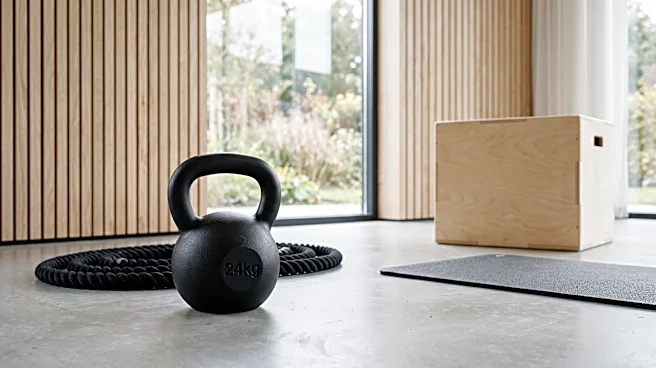
Individuals interested in starting CrossFit are advised to focus on building control in foundational movements such as squats, hinges, presses, pulls, carries, and simple conditioning before attempting advanced techniques like heavy Olympic lifts or high-repetition kipping. Progression should be gradual, ensuring proper form and technique to prevent injury. Many CrossFit exercises can be performed with minimal equipment, making them accessible for home workouts, though a pull-up bar and a single dumbbell or kettlebell can significantly expand options. For those seeking structured guidance, CrossFit trainers lead workouts based on the methodology, providing instruction and ensuring movements are scaled appropriately. Continued practice and adherence to the program's principles are expected to lead to improved overall fitness and lifestyle changes, with competitions serving as a potential source of motivation for some participants.
Beyond the Headlines
The widespread adoption of CrossFit in the U.S. reflects a broader cultural shift towards functional fitness and high-intensity interval training. This trend challenges traditional gym models by emphasizing diverse, constantly varied workouts that mimic real-world movements. The community-driven nature of CrossFit, often fostering strong bonds among participants, highlights the social and psychological benefits of group exercise beyond mere physical gains. However, the high-intensity nature of some CrossFit workouts also brings discussions about injury risk, underscoring the importance of qualified coaching and proper scaling for individual capabilities. The program's influence extends to how fitness is perceived and marketed, promoting a holistic view of athleticism rather than focusing solely on aesthetics or single-sport performance. This approach encourages individuals to push their physical boundaries while fostering mental resilience and discipline.