








What's Happening?
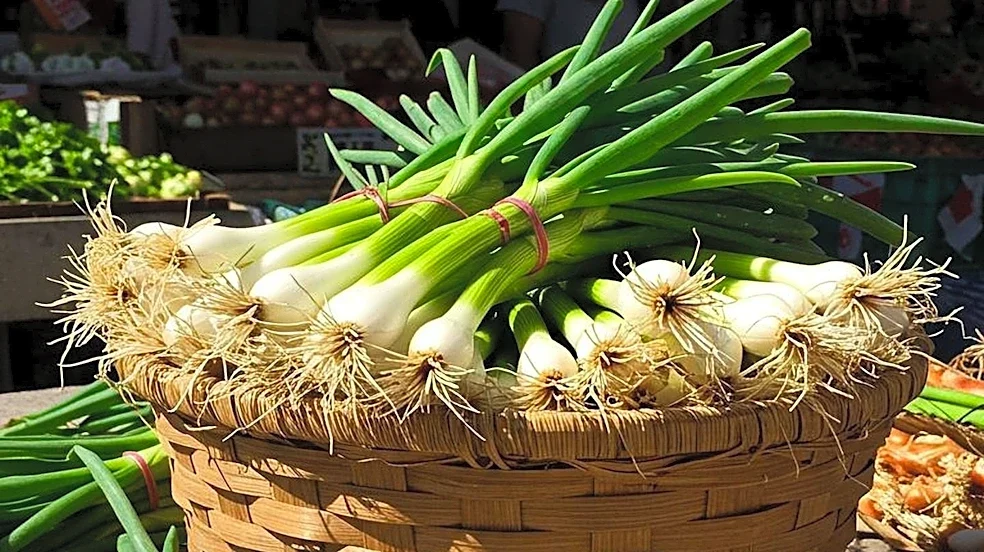
Tokyo Negi onions, scientifically known as Allium fistulosum, are a distinct Japanese variety characterized by their long, slender appearance, capable of growing up to one meter in height. These onions feature elongated, straight, and bulbous bases that
expand into thick, hollow, tubular green leaves. The white base, which is the longest part, remains narrow and does not form a traditional bulb. When raw, Tokyo Negi onions are pungent, but they develop a sweet and savory flavor when cooked. They are a popular ingredient in Japanese cuisine, often referred to as Japanese Long onion, Negi, Naga Negi, or Shiro Negi, with their name reflecting their culinary prominence in the Tokyo region. These onions are available during the spring and fall seasons.
Why It's Important?
The availability of Tokyo Negi onions in the U.S. market, particularly in specialty produce sections, highlights the increasing globalization of food systems and the growing consumer interest in diverse culinary ingredients. For U.S. chefs and home cooks, the unique flavor profile and texture of Tokyo Negi onions offer new possibilities for culinary experimentation, especially in Japanese-inspired dishes. This trend can stimulate demand for imported specialty produce, impacting agricultural trade relationships and potentially encouraging domestic growers to explore cultivating similar niche varieties. Furthermore, the introduction of such ingredients can broaden the American palate, fostering a greater appreciation for international cuisines and contributing to cultural exchange through food. The seasonal availability in spring and fall also influences menu planning for restaurants and purchasing habits for consumers seeking fresh, authentic ingredients.
What's Next?
The continued demand for specialty produce like Tokyo Negi onions could lead to increased import volumes and potentially more widespread availability in U.S. grocery stores beyond just specialty markets. As consumer awareness grows, there might be a push for more detailed information regarding their cultivation, sourcing, and culinary applications. This could also spur interest in sustainable farming practices for imported goods. For the agricultural sector, the success of such niche imports might encourage U.S. farmers to research and potentially cultivate similar varieties that thrive in local climates, aiming to reduce reliance on imports and offer fresher, locally sourced alternatives. Educational initiatives, such as cooking classes or recipe features, could further integrate Tokyo Negi onions into mainstream American cooking.
Beyond the Headlines
The presence of Tokyo Negi onions in the U.S. market reflects a broader cultural phenomenon of culinary globalization, where traditional ingredients from one region become integrated into the food landscape of another. This exchange goes beyond mere consumption; it influences dietary habits, cooking techniques, and even agricultural practices. The appreciation for specific regional varieties like Tokyo Negi underscores a shift towards more discerning consumer tastes and a desire for authenticity in food. This trend can also highlight the importance of biodiversity in agriculture, as unique varieties offer distinct flavors and nutritional benefits that might be overlooked in mass-produced crops. The story of Tokyo Negi onions is a microcosm of how food acts as a powerful conduit for cultural understanding and economic interconnectedness.