







What's Happening?
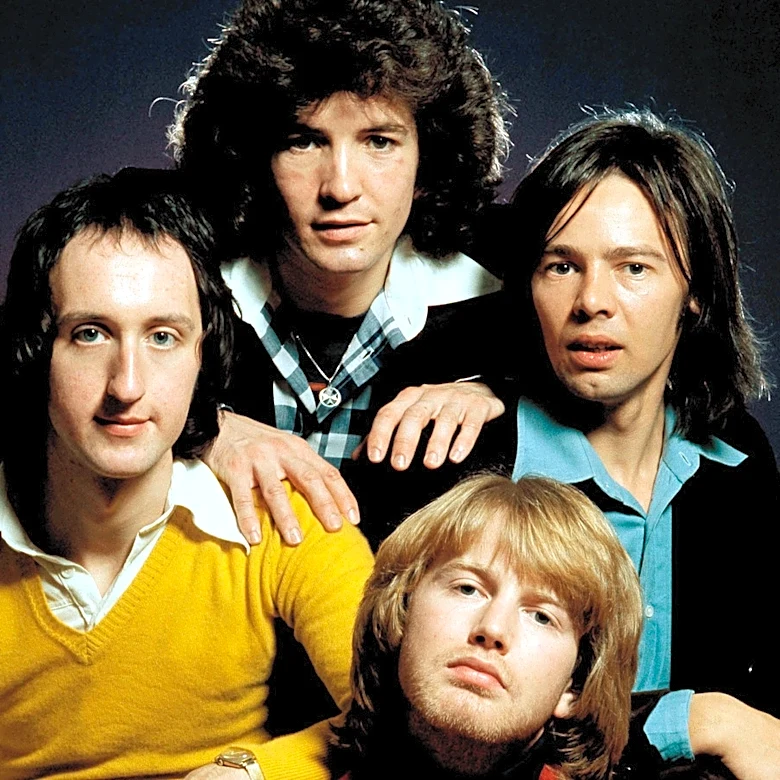
The United Kingdom's indie music scene is currently undergoing a notable grunge revival, with bands such as Keo and Wunderhorse gaining substantial popularity among Gen Z guitar enthusiasts. Keo, a four-piece band, notably sold out their March 2027 show
at London’s O2 Academy Brixton even before the release of their number two-charting debut album. Wunderhorse is also slated to perform in stadiums with Sam Fender next summer, indicating a significant rise in their profile. This resurgence is characterized by heavy, visceral indie-rock sounds that resonate with the contemporary issues faced by young people. According to Finn Keogh, Keo's frontman, this period feels like a competition to be the 'grungiest band,' drawing parallels to the 1990s Seattle grunge scene. The movement is seen as distinct from previous rock revivals due to its raw and unfiltered energy, offering a genuine musical experience in an increasingly digital and algorithm-driven world.
Why It's Important?
This grunge revival signifies a shift in musical tastes among younger generations, moving towards more authentic and raw sounds in contrast to the often-polished nature of mainstream music. The success of bands like Keo and Wunderhorse demonstrates a demand for music that directly addresses contemporary societal issues, providing a form of 'group therapy' for fans. This trend could influence the broader music industry, potentially leading to more investment in artists who prioritize raw musical expression over commercial appeal. The emphasis on live performances and the embrace of imperfections in grunge music also highlight a potential counter-movement against the perceived artificiality of social media and AI-driven content. For the U.S. music market, this could indicate a future trend where similar raw and socially conscious rock genres might gain traction, influencing touring acts, festival lineups, and record label strategies.
What's Next?
The continued success of bands like Keo and Wunderhorse suggests that the grunge revival in the UK is likely to expand, with more new grunge acts expected to emerge. This could lead to increased international touring opportunities for these bands, potentially bringing the movement to U.S. audiences. The growing fan base, particularly among Gen Z, indicates a sustained interest that could foster a new wave of artists and subgenres. Music industry stakeholders, including labels, promoters, and streaming platforms, will likely monitor this trend closely to identify and support emerging talent. The emphasis on genuine, live-first musical experiences may also lead to a greater focus on concert promotion and venue development, as fans seek out authentic connections through music.
Beyond the Headlines
The grunge revival reflects deeper cultural implications, particularly a yearning for authenticity and a reaction against the pervasive influence of digital manipulation and AI. In an era where social media often presents curated and idealized realities, the raw, disheveled sonics and messy live gigs of grunge offer a refreshing sense of honesty. This movement can be interpreted as a form of cultural resistance, where young people are seeking genuine emotional outlets and community through music that embraces imperfection. The parallel drawn to the 1990s Seattle scene suggests a cyclical nature of cultural trends, where past movements are reinterpreted to address current anxieties. This could also spark discussions about the role of music in social commentary and its capacity to provide solace and connection in an increasingly complex world.