

What's Happening?
Phoenix Suns owner Mat Ishbia has publicly stated that the organization is not deterred by the NBA's luxury tax, including the 'second apron,' in its pursuit of a championship. Ishbia emphasized that the team's focus is on winning and building a competitive
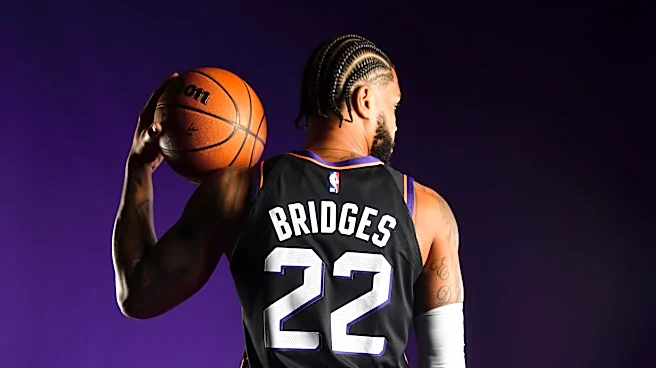
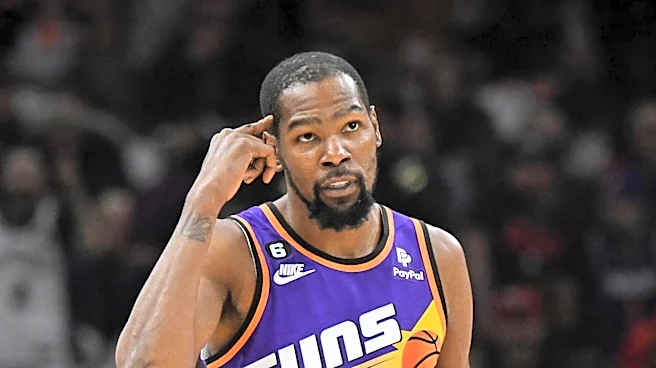
roster for the long term, rather than being constrained by financial penalties. He highlighted that the Suns have previously spent significantly on big-name players and are willing to continue doing so. While the team managed to avoid the luxury tax last season after moving players like Kevin Durant and Bradley Beal, they are currently in the first apron. Ishbia's comments indicate a readiness to re-enter the second apron if a strategic opportunity arises to enhance the team's competitiveness. He believes that Phoenix is an attractive destination for players, which aids in team building.
Why It's Important?
This stance by Mat Ishbia signals a significant financial commitment to the Phoenix Suns, potentially impacting the competitive landscape of the NBA. By expressing a willingness to incur substantial luxury tax penalties, Ishbia is prioritizing on-court success over immediate financial returns. This approach could set a precedent for other NBA franchises, encouraging more aggressive spending to attract and retain top talent. For the Suns, it means a continued pursuit of a championship, potentially through high-profile acquisitions or extensions, which could elevate their status in the league. Conversely, it also highlights the increasing financial pressures on NBA teams, as the luxury tax system is designed to promote competitive balance. Ishbia's strategy suggests that for some owners, the pursuit of a title outweighs the financial disincentives of the luxury tax.
What's Next?
The Phoenix Suns are expected to continue their aggressive team-building strategy, potentially making moves that could push them further into the NBA's luxury tax aprons. This could involve pursuing high-caliber free agents, making significant trades, or extending current star players with lucrative contracts. The team's management will likely be evaluating opportunities that align with Ishbia's vision of building a championship-caliber team for the long term. The NBA's financial regulations, particularly the luxury tax and its aprons, will remain a key consideration, but Ishbia's statements suggest these will not be prohibitive factors. Fans can anticipate continued investment in the roster, with a focus on competitiveness and winning, rather than cost-cutting measures.
Beyond the Headlines
Ishbia's declaration reflects a broader trend in professional sports where owners with significant financial resources are increasingly willing to invest heavily to achieve championship success, even if it means operating at a loss or incurring substantial penalties. This approach can create a dynamic where teams in smaller markets or with less affluent ownership struggle to compete financially, potentially exacerbating disparities in player acquisition and retention. It also raises questions about the long-term sustainability of such spending models and the effectiveness of league-imposed financial regulations like the luxury tax in maintaining competitive balance. The emphasis on 'doing the right thing for the fans, players, and community' suggests a strategic alignment of financial investment with fan engagement and team legacy, moving beyond a purely profit-driven model.