






What's Happening?
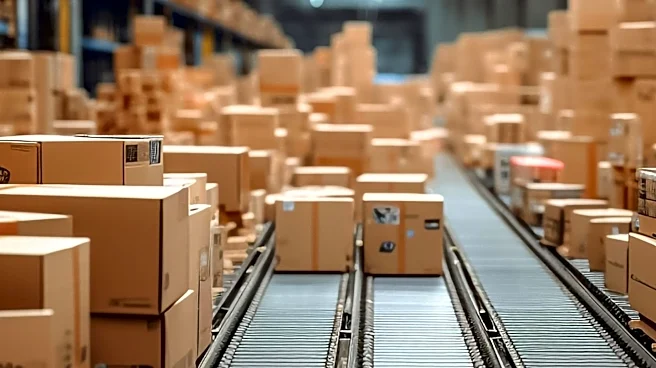
Choosing the right cargo warehouse is a critical decision for businesses managing supply chains, extending beyond mere storage to finding a strategic partner that facilitates efficient goods movement. The quality of a warehouse directly influences the speed
of an entire operation, whether for complex global freight solutions or simple domestic distribution. Businesses must first define their specific requirements, considering average inventory volumes, stock turnover rates, and any specialized needs such as handling hazardous materials, temperature-controlled environments, or high-value security. The location of the warehouse is paramount, with ideal facilities situated near major ports, airports, and motorway networks to minimize transport costs and processing times. A significant advantage is having a warehouse directly at the port, allowing for immediate processing of arriving shipments and reducing the risk of port storage charges. Integrated warehousing and logistics solutions are also vital, as managing separate providers for storage and transport can lead to communication gaps and delays. A combined approach creates a single point of accountability and seamless coordination between warehouse and transport teams.
Why It's Important?
The strategic selection of a cargo warehouse profoundly impacts a company's operational efficiency, cost-effectiveness, and customer satisfaction. A well-chosen warehouse acts as a bridge between suppliers and customers, directly reducing lead times and protecting the bottom line. Inefficient warehousing can lead to increased costs from delays, damaged goods, and missed delivery windows, ultimately harming customer relationships and market reputation. The ability to handle customs and compliance expertise, particularly through external temporary storage facilities (ETSF), is crucial for international trade, speeding up clearance processes and preventing costly delays. Furthermore, reliable communication and high service levels from a warehousing partner are essential in a fast-moving industry, ensuring real-time updates and quick resolution of issues. The scalability of a warehousing partner is also critical, allowing businesses to adapt to growth and changing freight needs without the disruption of switching providers, thereby ensuring long-term operational stability and flexibility.
What's Next?
Businesses should prioritize partners that offer integrated warehousing and logistics solutions, where storage and transport teams work under the same roof for seamless coordination. This integration is particularly important for high-velocity supply chains that demand quick turnarounds. Companies must also assess a partner's expertise in customs documentation and regulations, especially if dealing with international shipments, to avoid delays caused by paperwork errors. Evaluating communication and service levels is key, looking for partners that provide reliable, real-time updates and a dedicated point of contact. Finally, comparing reliability and scalability is essential to ensure the chosen partner can grow with the business and handle peak season surges without compromising service. Investing time in selecting the right freight warehousing partner today will yield dividends in the form of happier customers and more efficient operations in the future, building a supply chain capable of withstanding various challenges.
Beyond the Headlines
The meticulous process of selecting a cargo warehouse reflects the increasing complexity and interconnectedness of global supply chains. Beyond the immediate logistical benefits, this decision has broader implications for a company's resilience, sustainability, and competitive advantage. A strategically located and efficiently managed warehouse can significantly reduce a company's carbon footprint by optimizing transport routes and minimizing unnecessary movements. It also contributes to supply chain resilience by enabling quicker responses to disruptions, whether from natural disasters, geopolitical events, or sudden shifts in market demand. The emphasis on integrated solutions and technical expertise, such as ETSF, highlights the evolving role of warehouses from simple storage units to sophisticated hubs of information and coordination. This evolution underscores the strategic importance of logistics in modern business, where operational excellence in warehousing can be a key differentiator in a globalized marketplace, influencing everything from product availability to brand reputation.