




What's Happening?
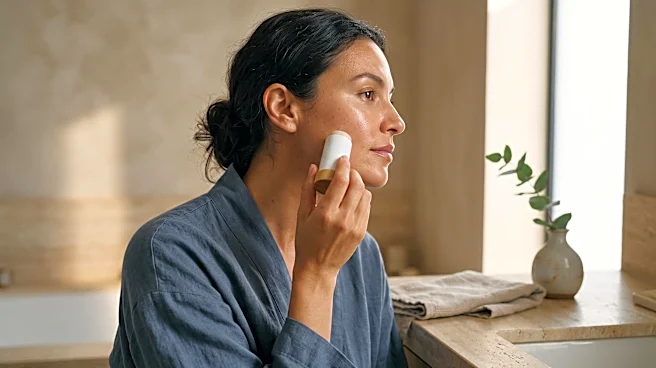
Dermatologists recommend daily SPF application, particularly for facial skin, as UVA rays, responsible for photoaging, can penetrate glass and clouds regardless of the UV index. While most skin may not require extra protection at UV index levels below
3, it remains a beneficial anti-aging practice. For moderate UV index levels (3-5), SPF 30+ on exposed skin, sunglasses, and midday awareness are advised. As the UV index climbs to high (6-7), reapplication every two hours outdoors, seeking shade between 10 AM and 4 PM, and wearing a hat for extended outdoor periods become crucial. At very high levels (8+), sunscreen alone is insufficient, and shade and protective clothing are essential. The SkinPal app tracks skin changes alongside habits, emphasizing that current UV exposure can manifest as texture and spots years later, making consistent UV awareness and protection vital.
Why It's Important?
The consistent use of SPF is critical for public health, particularly in the U.S., where skin cancer rates remain a significant concern. Understanding the UV index and adjusting protective measures accordingly can drastically reduce the risk of sun damage, premature skin aging, and skin cancer. The emphasis on daily SPF, even at low UV levels, highlights a shift towards proactive and preventative skincare, moving beyond just sunburn prevention to comprehensive skin health. This approach can lead to long-term benefits, including a reduction in dermatological issues and associated healthcare costs. For individuals, it means maintaining healthier, more youthful-looking skin and significantly lowering their risk of developing sun-related skin conditions, underscoring the importance of integrating SPF into daily routines as a fundamental health practice.
What's Next?
Continued public health campaigns and educational initiatives are expected to further emphasize the importance of daily SPF use and UV index awareness. Skincare brands will likely continue to innovate, offering more cosmetically elegant and effective SPF formulations to encourage consistent use. The integration of technology, such as apps that provide real-time UV index data and personalized skin tracking, is anticipated to become more widespread, empowering individuals to make informed decisions about sun protection. Dermatologists will continue to advocate for comprehensive sun safety practices, including seeking shade and wearing protective clothing, alongside sunscreen application, to mitigate the long-term effects of UV exposure on skin health.
Beyond the Headlines
The recommendation for daily SPF use transcends mere cosmetic concerns, touching upon broader societal implications regarding health literacy and preventative care. It highlights the often-underestimated impact of cumulative, low-level UV exposure on skin health, challenging the perception that sun protection is only necessary during intense sun exposure. This sustained focus on daily protection could foster a cultural shift towards greater awareness of environmental health risks and personal responsibility in mitigating them. Furthermore, the emphasis on UVA penetration through glass and clouds underscores the need for protection even indoors or on overcast days, revealing a more nuanced understanding of UV radiation and its pervasive effects, which could influence architectural design and urban planning to incorporate better UV-protective elements.