


What's Happening?
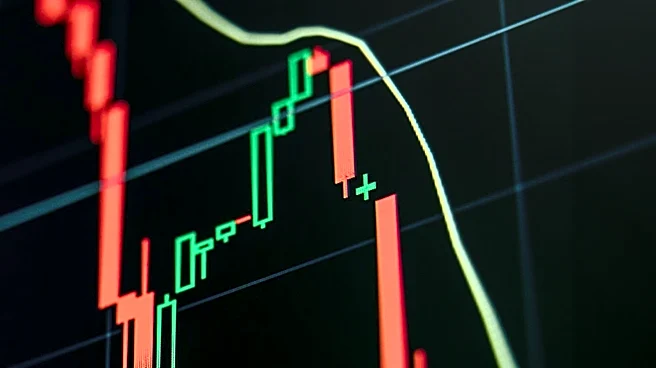
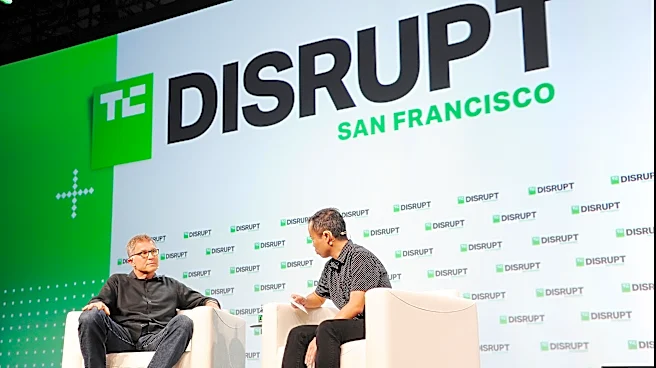
Brad Garlinghouse, CEO of Ripple, stated on CNBC on November 19, 2026, that the recent sell-off in digital assets, including XRP and Bitcoin, is due to a temporary reallocation of capital. According to Garlinghouse, investors are moving liquidity from
highly liquid crypto markets into major private technology offerings such as SpaceX and Anthropic. He noted a similar pattern occurred with the Anthropic IPO, after which crypto markets rallied. Garlinghouse anticipates a similar rally in digital assets once capital returns from these tech offerings. This explanation comes as XRP has experienced a challenging year, posting negative returns in seven of the 11 months in 2026, with November recording its worst performance to date, a 25.4% decline. U.S. spot XRP ETFs have also seen net outflows of approximately $26 million since the beginning of November.
Why It's Important?
Garlinghouse's perspective offers a potential explanation for the recent downturn in the digital asset market, suggesting it's not necessarily a fundamental weakness in crypto but rather a temporary shift in investment strategy towards high-profile private tech ventures. This interpretation could influence investor sentiment, potentially leading to renewed interest and buying activity in digital assets if his prediction of capital returning to crypto markets materializes. For U.S. investors and financial institutions involved in digital assets, understanding these capital flow dynamics is crucial for strategic planning. The performance of XRP, a significant digital asset, and the outflows from U.S. spot XRP ETFs highlight the sensitivity of the crypto market to broader investment trends and the competitive landscape for capital allocation. If Garlinghouse's theory holds, it implies that the current pressure on digital asset prices might be transient, rather than indicative of a long-term bearish trend.
What's Next?
Market participants will closely monitor the performance of digital assets, particularly XRP, in the coming weeks and months to see if capital indeed returns to the crypto markets as suggested by Garlinghouse. The scheduled release of 1 billion XRP from escrow by Ripple on December 1, 2026, could also impact market dynamics by increasing supply. If broader macroeconomic headwinds or continued outflows from ETFs persist, digital asset prices may remain under pressure or trade within a tight range, challenging Garlinghouse's optimistic outlook. Conversely, a rally in crypto markets following the conclusion of major tech offerings like SpaceX could validate his assessment and potentially signal a shift in investor confidence back towards digital assets. The interplay between institutional fund activity, supply schedules, and investor sentiment will be key factors determining the immediate future of the digital asset market.
Beyond the Headlines
The phenomenon described by Garlinghouse points to a broader trend in the investment landscape where highly liquid markets, such as digital assets, serve as a source of capital for emerging, high-growth private tech companies. This dynamic underscores the increasing interconnectedness between traditional and nascent asset classes. It also highlights the evolving nature of 'risk-on' assets, where capital can rapidly shift between different high-growth opportunities based on perceived short-term gains or strategic reallocations. This could lead to increased volatility in digital asset markets, as they become more susceptible to capital movements driven by events in the private tech sector. Furthermore, it raises questions about the maturity and stability of the digital asset market, suggesting that while it offers liquidity, it may still be viewed by some investors as a temporary holding ground for capital that can be quickly deployed elsewhere when more compelling opportunities arise.