
What's Happening?
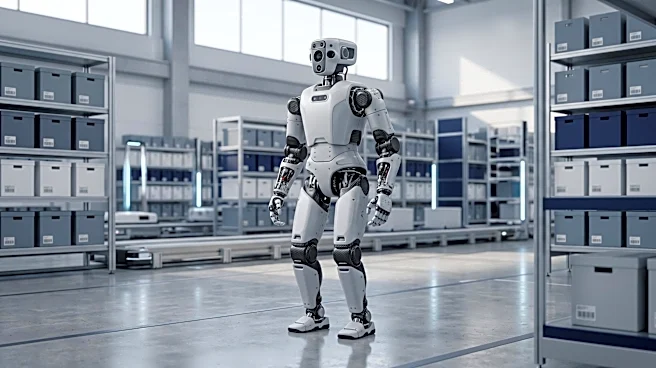
Brett Adcock, a U.S. technology entrepreneur, is making significant strides in the fields of AI, robotics, and electric aviation. He is the founder of Figure AI, a company dedicated to developing general-purpose
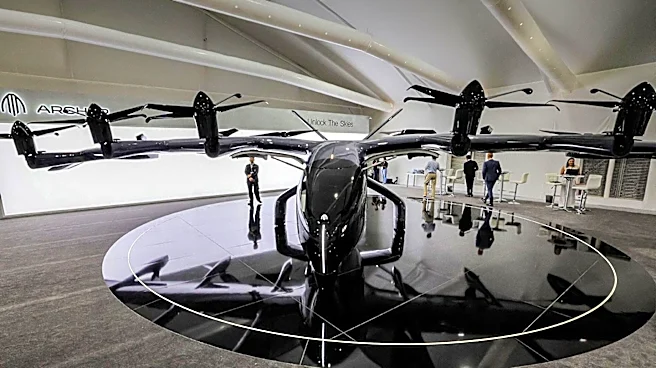
humanoid robots capable of performing various tasks in industrial and everyday environments. Adcock's vision for Figure AI extends beyond creating human-like robots; it involves developing systems that can learn, interact with their surroundings, and execute practical tasks. Prior to Figure AI, Adcock co-founded Archer Aviation in 2018, an aerospace company focused on developing electric vertical takeoff and landing (eVTOL) aircraft for urban air taxi models. This venture, which went public via a SPAC transaction in 2021, highlights his commitment to capital-intensive, long-term technological advancements. His entrepreneurial journey began in 2012 with Vettery, an online talent marketplace that utilized technology for recruitment and was acquired by The Adecco Group in 2018 for approximately $110 million. Adcock, who grew up in rural Illinois, attributes his proactive approach to value creation to his agricultural upbringing.
Why It's Important?
Adcock's ventures are significant for the U.S. technology and industrial sectors, pushing the boundaries of artificial intelligence, robotics, and sustainable aviation. Figure AI's development of humanoid robots could revolutionize various industries by automating complex tasks, potentially addressing labor shortages and increasing efficiency in manufacturing, logistics, and service sectors. The collaboration with companies like BMW to test robots in production environments underscores the practical application and potential for widespread adoption of these technologies. Archer Aviation's pursuit of eVTOL aircraft aims to transform urban transportation, offering solutions to traffic congestion and reducing carbon emissions, aligning with global sustainability goals. These initiatives attract substantial investment, with Figure AI reportedly valued at around $39 billion in a 2025 funding round, indicating strong investor confidence in the future of AI and robotics. Adcock's continuous expansion into technically demanding and capital-intensive fields demonstrates a strategic focus on areas where technology can redefine market structures, despite the inherent risks and long development cycles.
What's Next?
For Figure AI, the immediate future involves continued development and refinement of its humanoid robots, with ongoing testing in industrial settings to validate their operational stability and efficiency. Further collaborations with major manufacturers are likely as the company seeks to integrate its robots into diverse production environments. Archer Aviation will continue its efforts to develop and certify its eVTOL aircraft, aiming for commercial deployment in urban air mobility. This will involve navigating stringent aviation safety regulations and building out the necessary infrastructure for air taxi services. Adcock's broader strategy suggests he will continue to explore and invest in other emerging technology projects related to artificial intelligence, automation, and advanced technological systems. The success of these ventures could lead to significant shifts in labor markets, transportation, and industrial processes, potentially creating new economic opportunities and challenges.
Beyond the Headlines
Beyond the immediate technological advancements, Adcock's entrepreneurial approach highlights a broader trend in the U.S. tech landscape: a willingness to tackle complex, long-term challenges that require substantial capital and technical expertise. His progression from a recruitment platform to electric aviation and then to advanced humanoid robotics demonstrates a strategic vision focused on disruptive innovation rather than incremental improvements. This approach, while risky, has the potential to yield transformative technologies that reshape industries and daily life. The ethical and societal implications of widespread humanoid robot deployment, such as job displacement and the integration of AI into human environments, will become increasingly important considerations. Similarly, the success of eVTOL technology could lead to new regulatory frameworks and urban planning strategies. Adcock's journey also serves as a case study for aspiring entrepreneurs, emphasizing the importance of long-term market vision, continuous capability building, and the practical implementation of innovative ideas.