




What's Happening?
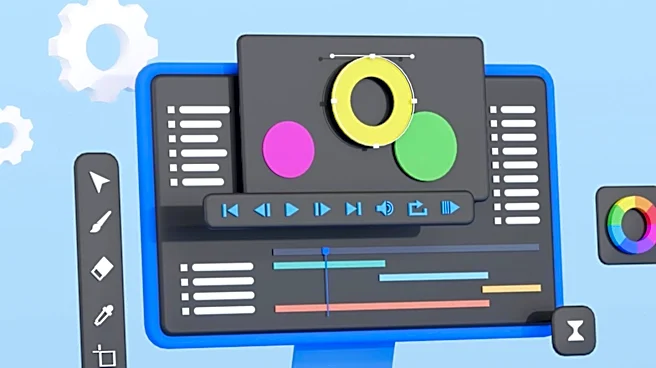
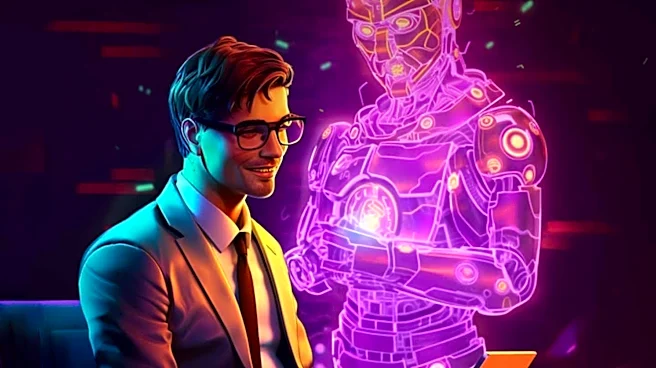
Spawn has launched a new platform that allows users to create multiplayer games through conversational AI. The platform, currently in beta since February 2026, features an AI companion named Savi, who assists users in building games by interpreting natural
language descriptions. Users can describe their game ideas, and Savi will generate environments, characters, art, music, and rules in real-time. The platform emphasizes a collaborative approach, where users interact with Savi in a back-and-forth dialogue to refine their game. All games created on Spawn are multiplayer by default, enabling friends to join and build together. The platform also supports the integration of external coding agents and allows users to import their own assets. Spawn aims to democratize game development by removing the need for extensive coding knowledge, making game creation accessible to a wider audience.
Why It's Important?
This development is significant for the U.S. gaming industry as it lowers the barrier to entry for game development, potentially fostering a new wave of creators and innovative game concepts. By simplifying the creation process, Spawn could lead to a more diverse range of games, moving beyond traditional development models that often require years of specialized training. This could impact independent game studios and individual developers, offering a cost-effective and intuitive alternative to existing game engines. The platform's emphasis on multiplayer functionality from the outset also aligns with current trends in social gaming, potentially creating new online communities and interactive experiences. Furthermore, the integration of AI in game creation could set a precedent for future technological advancements in creative industries, influencing how digital content is produced and consumed.
What's Next?
Spawn plans to continue iterating on its platform, with ongoing improvements to Savi's AI capabilities and the overall user experience. The company is actively engaging with its community through initiatives like SpawnJam, a weekly game jam designed to encourage creation and collaboration. Future developments may include expanding the range of game genres and complexities that can be created, as well as enhancing monetization options for creators. The platform's success will likely depend on its ability to attract and retain a large user base, as well as the quality and originality of the games produced. As more creators adopt AI-powered tools, there may be a shift in the skills required for game development, with a greater emphasis on creative vision and iterative design rather than technical coding expertise.
Beyond the Headlines
The emergence of platforms like Spawn raises broader questions about the future of creative work and the role of artificial intelligence. While it democratizes game creation, it also prompts discussions about intellectual property rights for AI-generated content and the potential impact on traditional game development roles. The platform's model, where Spawn covers the cost of AI tokens and hosting, suggests a new economic framework for content creation, where the platform itself invests heavily in enabling user creativity. This could lead to a re-evaluation of how value is generated and shared in digital ecosystems. Moreover, the collaborative nature of building with an AI like Savi could redefine the creative process, fostering a new form of human-AI partnership in artistic endeavors. The long-term implications could extend to other creative fields, potentially transforming how books, music, and films are produced.