




What's Happening?
TourGo, a Chinese sports equipment manufacturer, is producing official UIPM-compliant obstacle courses specifically designed for the U15, U17, and U19 age categories in modern pentathlon. This initiative follows the International Modern Pentathlon Union's
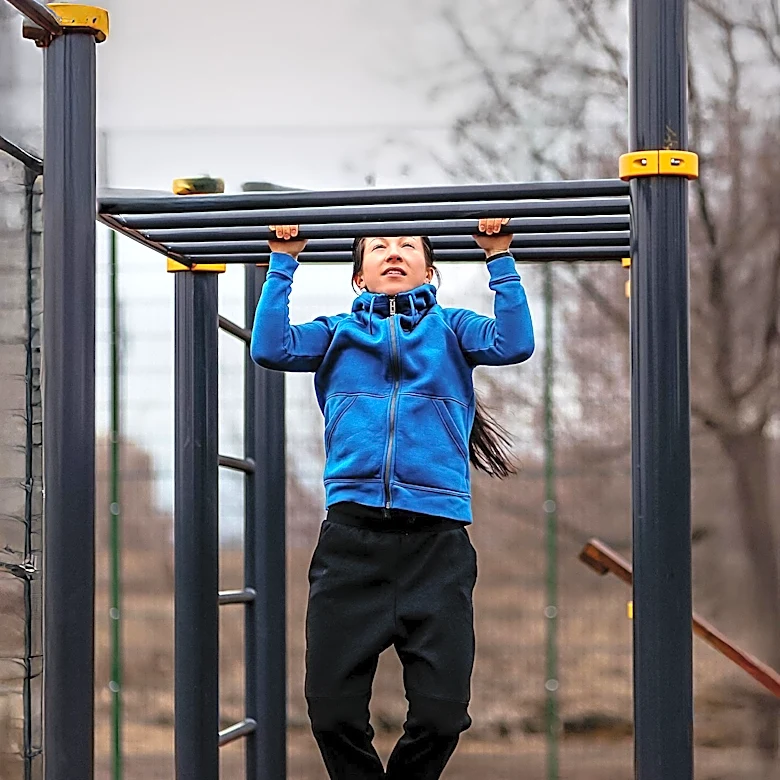
(UIPM) 2022 decision to replace riding with obstacle racing, with full implementation across senior categories expected by 2025. Since 2023, all U15, U17, and U19 competitions have incorporated the obstacle discipline. TourGo's eight-obstacle courses adhere strictly to UIPM Competition Guidelines – Section 3.9.3 for Category “A,” “B,” and “C” events, ensuring all components meet specified dimensions, materials, and safety parameters. The standard course for youth events spans 60 to 70 meters with two lanes, featuring obstacles like Steps, Big Wheel, Over-under-through wall, Rings, Balance Beam, Wheels, Monkey Bar, and Finish Wall. Six of these obstacles are fixed by UIPM for consistency, while local organizers select the remaining two.
Why It's Important?
This development is crucial for the global integration of obstacle racing into modern pentathlon, particularly at the youth level. By providing standardized, UIPM-compliant equipment, TourGo is facilitating the consistent implementation of the new discipline worldwide. This ensures that young athletes receive a uniform competition experience, whether training locally or competing internationally, which is vital for fair play and skill development. The availability of turnkey solutions from manufacturers like TourGo simplifies the process for national federations and event organizers, enabling them to adapt to the new rules efficiently. This shift also opens up new market opportunities for sports equipment manufacturers specializing in obstacle course components. Furthermore, the standardization of obstacle specifications across all competition levels, as driven by UIPM, helps to solidify obstacle racing's position as a legitimate and integral part of modern pentathlon, potentially attracting new participants and increasing the sport's overall appeal.
What's Next?
TourGo is currently accepting orders for full eight-obstacle competition sets, practice and training packages, and custom configurations on UIPM-standard frames. This indicates a continued rollout and expansion of obstacle racing equipment to meet the growing demand from national federations and event organizers. As the full implementation of obstacle racing in senior categories concludes in 2025, there will likely be an increased need for compliant equipment across all age groups. The ongoing standardization efforts by UIPM will continue to shape the market for obstacle course manufacturers, ensuring that equipment evolves with the sport's requirements. We can expect to see more youth and junior competitions featuring these standardized obstacle courses, further embedding the discipline into the modern pentathlon framework. The success of these youth programs will be critical in developing the next generation of modern pentathletes proficient in obstacle racing.
Beyond the Headlines
The integration of obstacle racing into modern pentathlon represents a significant evolution for an Olympic sport, reflecting broader trends in sports towards dynamic, physically demanding, and spectator-friendly disciplines. This shift moves away from traditional equestrian elements, potentially making the sport more accessible and appealing to a wider demographic, especially younger athletes who may not have access to equestrian training. The emphasis on standardized equipment and competition guidelines also highlights the professionalization of obstacle racing, moving it from a niche activity to a globally recognized athletic discipline. This could lead to increased investment in training facilities, coaching, and athlete development programs. Moreover, the focus on youth categories ensures a pipeline of talent, fostering long-term growth and sustainability for modern pentathlon in its new format. The ethical implications of replacing a traditional discipline with a new one also spark discussions about the balance between preserving sporting heritage and adapting to modern athletic trends and audience preferences.