


What's Happening?
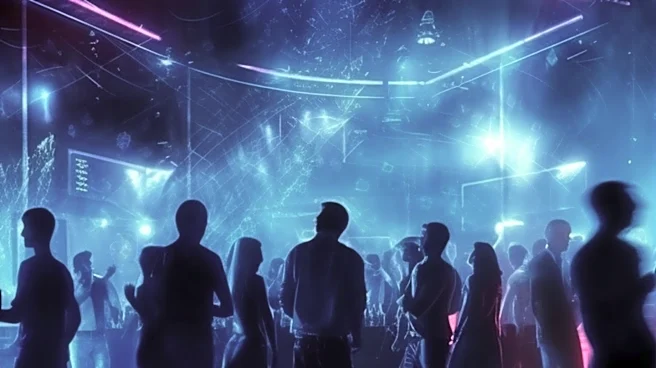
Millennials are engaging in a social media trend where they reminisce about their 'unhinged' and 'chaotic' nights out from the early 2010s, a period characterized by practices that are now baffling to Gen Z. This trend highlights a stark contrast in social norms
and technological integration between the two generations. Millennial club culture involved practices such as combining leftover pre-drink alcohol into a single bottle, wearing 'diabolically high' heels, and a complete lack of concern for photographic evidence. Photos from these nights, often taken with tiny digital cameras and aggressively filtered with Valencia, were uploaded en masse to Facebook albums, regardless of how unflattering or 'cringe' they might appear today. Former Bachelor star Tara Pavlovic and Instagram user Caitlyn Munyard are among those sharing their experiences, emphasizing a time when social media was less curated and life felt more authentic, focused on experiencing the moment rather than documenting it for content.
Why It's Important?
This social media trend is important as it underscores a significant cultural and technological shift in the U.S. regarding social interaction, self-presentation, and the role of digital platforms. For millennials, it's a nostalgic reflection on a period of less curated online identities, highlighting a perceived authenticity that predates the current era of highly polished social media personas. For Gen Z, it offers a glimpse into a past that seems 'feral' and incomprehensible, revealing how rapidly societal expectations around privacy, image, and digital footprint have evolved. This generational divide impacts consumer behavior, marketing strategies, and even mental health, as younger generations navigate constant pressure to present a perfect online image. The trend also implicitly critiques the current social media landscape, suggesting a longing for a time when experiences were valued over their digital representation, potentially influencing future trends towards more 'authentic' or less performative online interactions.
What's Next?
The ongoing discussion around millennial club culture and its contrast with Gen Z's experiences is likely to continue fostering intergenerational dialogue and potentially influence future social media trends. We may see a continued pushback against overly curated online content, with more individuals and platforms embracing raw, unedited, or 'authentic' sharing, reminiscent of the millennial era. This could manifest in new app features that prioritize ephemeral content or less polished aesthetics. Businesses and brands targeting younger demographics might also adapt their strategies to align with these evolving values, focusing on genuine experiences and less on manufactured perfection. Furthermore, the trend could spark more academic or sociological studies into the long-term psychological impacts of growing up with different levels of digital scrutiny and the evolving definitions of 'fun' and 'socializing' across generations. The conversation serves as a cultural touchstone, prompting reflection on how technology shapes our social lives and self-perception.
Beyond the Headlines
Beyond the surface-level nostalgia, this trend touches upon deeper societal implications concerning the commodification of experience and the erosion of privacy. The millennial era, as depicted, represents a transitional phase where digital documentation was present but not yet fully integrated into the performance of self. The current Gen Z experience, however, is one where every moment can be content, leading to a constant pressure to perform and curate. This shift raises ethical questions about the nature of memory, the impact of constant surveillance (self-imposed or otherwise), and the potential for a loss of genuine, unrecorded moments. The 'cringe' factor for Gen Z might stem not just from different social norms, but from an inherent discomfort with the unfiltered vulnerability that millennials displayed, a vulnerability that is now almost impossible to achieve in a hyper-documented world. This cultural phenomenon highlights a fundamental change in how individuals relate to their own lives and how they choose to present them to the world, with long-term implications for identity formation and social interaction.

