


What's Happening?
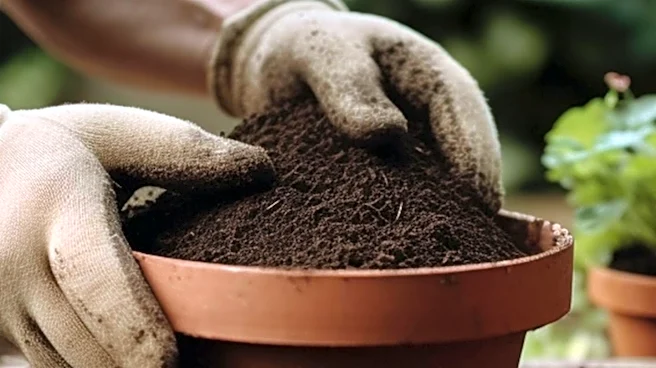
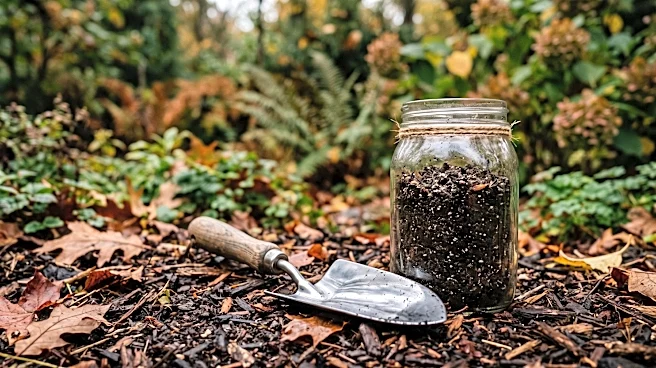
Gardeners are encouraged to carefully sort and evaluate used potting mix from outdoor ornamental containers before reusing it, according to Planet Natural. The process involves assessing the plant's health during the previous season and the physical condition
of the potting media. If plants were healthy and the mix retains good structure, it may be suitable for reuse. However, if plants showed unexplained decline, had pest or disease issues, or if the mix has significantly degraded, it should be handled with caution or discarded. The University of Illinois Extension supports reusing soilless media if plants were healthy and free from major diseases, recommending the removal of old plant material and replenishment with fresh mix. This approach helps gardeners make informed decisions about which batches of potting mix are genuinely suitable for future use, rather than combining all used media indiscriminately.
Why It's Important?
The careful reuse of potting mix holds significant importance for both environmental sustainability and gardening success. By properly sorting and reusing viable potting media, gardeners can reduce waste and minimize the demand for new materials, contributing to more sustainable practices. This also offers economic benefits by potentially lowering costs associated with purchasing fresh potting mix each season. However, the emphasis on careful evaluation is crucial; reusing contaminated or degraded mix can lead to poor plant health, disease spread, and pest infestations, ultimately undermining gardening efforts. For U.S. gardeners, particularly those engaged in container gardening, understanding these guidelines can lead to more efficient resource management and healthier plants, preventing common pitfalls associated with indiscriminate reuse. It promotes a more thoughtful approach to gardening that balances cost-saving with plant well-being.
What's Next?
Gardeners planning to reuse potting mix should implement an end-of-season sorting routine. This involves separating mixes based on the health history of the plants they previously supported and the current physical condition of the media. Any suspect material, such as mix from diseased or pest-ridden plants, should be isolated and potentially disposed of or treated appropriately, rather than being mixed with healthy batches. Labels should be used to record the history and intended use of saved batches to ensure informed decisions in the spring. Before planting, a final assessment of the stored mix is necessary to confirm its suitability for the new crop and container. This ongoing evaluation ensures that only appropriate media are used, potentially requiring the addition of fresh product to restore volume and structure.
Beyond the Headlines
The practice of carefully reusing potting mix extends beyond simple gardening economics; it touches upon broader themes of resource stewardship and ecological awareness. In an era of increasing environmental consciousness, minimizing waste in gardening aligns with larger sustainability movements. The detailed guidance on assessing plant health and media condition highlights the interconnectedness of soil health, plant vitality, and environmental impact. This approach encourages gardeners to become more observant and analytical about their practices, fostering a deeper understanding of horticultural science. It also subtly challenges the consumerist tendency to constantly purchase new materials, promoting a more circular and regenerative model within home gardening. This shift can lead to a greater appreciation for the life cycle of materials and the ecological balance within a garden space.