



What's Happening?
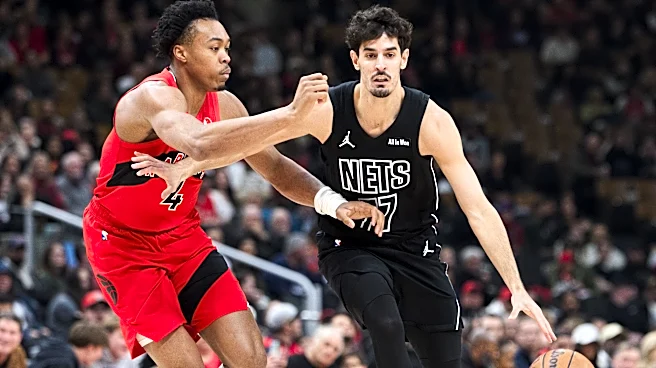
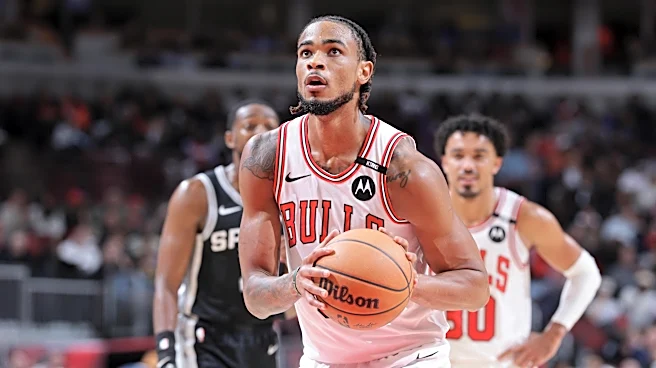
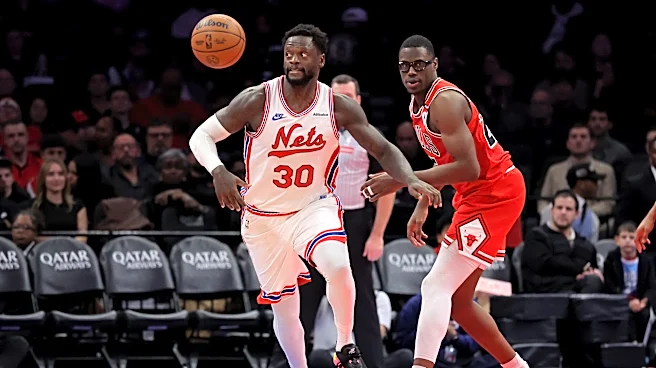
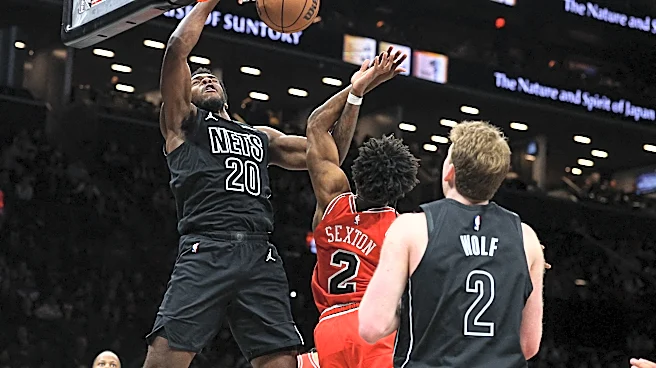
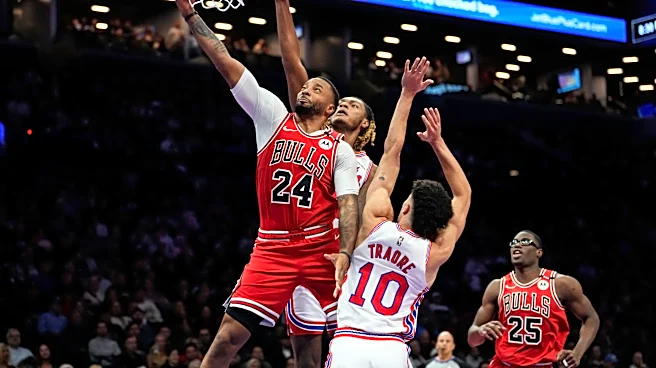
Brooklyn Nets head coach Jordi Fernandez, along with player Julius Randle, publicly criticized the team's effort and execution following a significant 137-107 loss to the Chicago Bulls. The defeat marked a low point for the Nets, who are now 3-11 and among
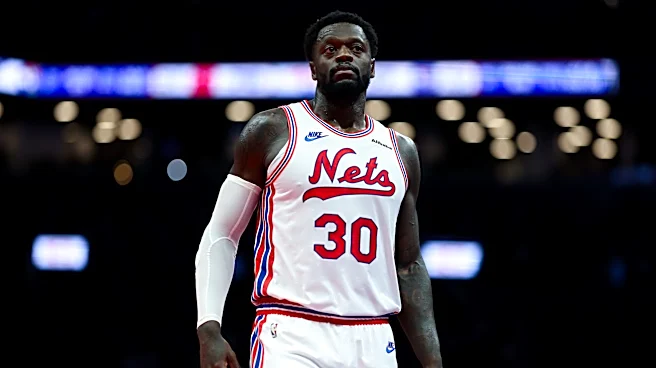
the worst teams in the Eastern Conference. Fernandez expressed frustration, stating that the team's effort was 'not good' and even joked about trying to communicate in Spanish if English wasn't getting through to his players. Randle described the game as 'one of the worst games I've ever been a part of,' highlighting a lack of pride among the team. The Nets trailed by 16 points at the end of the first quarter and by 25 at halftime, ultimately losing by 30 points. Even Julius Erving, who was being honored that night, expressed disappointment, having anticipated a strong performance from the Nets.
Why It's Important?
This public criticism from the head coach and a veteran player signals deep-seated issues within the Brooklyn Nets organization regarding player effort and team cohesion. Such strong statements can impact team morale, potentially leading to further internal strife or, conversely, serving as a wake-up call. For fans and stakeholders, it raises concerns about the team's direction and the effectiveness of the coaching staff's message. The Nets' poor performance, coupled with their lack of control over their 2027 first-round pick, means they have little incentive to tank, yet they are struggling to compete. This situation could affect future player acquisitions and the team's ability to attract talent, as potential free agents might be deterred by the current state of the franchise. The team's current trajectory suggests another season at the bottom of the league, impacting broadcast revenues and fan engagement.
What's Next?
Following such a public dressing-down, the Brooklyn Nets will face immediate pressure to demonstrate improved effort and performance in upcoming games. Coach Fernandez will likely continue to search for ways to motivate his team and ensure his message resonates. The team's leadership, including general management, may need to assess the current roster and coaching strategies if the poor performance persists. Players will be under increased scrutiny to show more pride and commitment on the court. Failure to improve could lead to further personnel changes, either on the coaching staff or the playing roster, as the organization seeks to find a winning formula. The team's development of younger players will also be critical, as they represent the future core, but their growth could be hampered by a consistently losing environment.
Beyond the Headlines
The Nets' current struggles highlight a broader challenge in professional sports: maintaining player motivation and team chemistry in the absence of immediate championship contention. The public nature of the criticism from both the coach and a veteran player could have long-term implications for team culture. It raises questions about accountability within the locker room and whether the current group of players is capable of forming a cohesive unit. The situation also underscores the pressure on coaches to not only strategize but also to manage player psychology and foster a winning mentality. The team's inability to perform even when honoring franchise legends like Julius Erving suggests a disconnect between the team's historical legacy and its current identity, potentially alienating long-time fans and impacting the franchise's brand image.