


What's Happening?
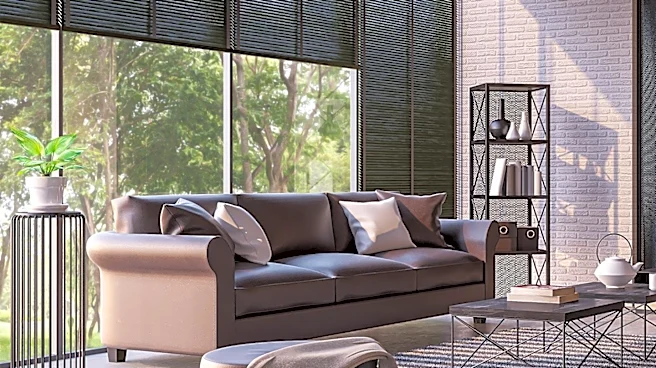
High-performance blackout fabric roller blinds are now incorporating advanced material engineering and smart motorization to achieve total optical opacity and enhanced user control. These blinds utilize specialized composite textiles, often multi-pass
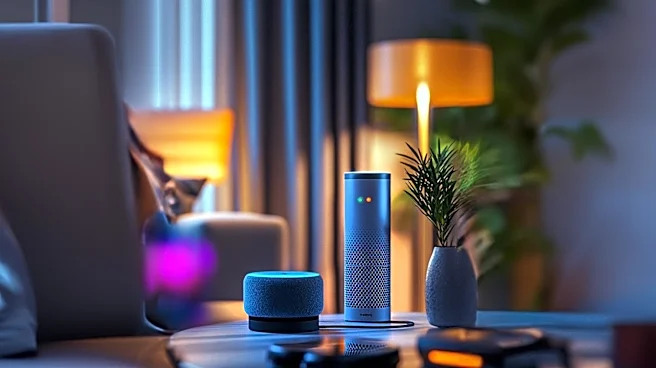
coated or multi-layer laminated fabrics, designed to block both direct solar rays and ambient diffuse light. The engineering focuses on material layers and opacity mechanics, ensuring effective light elimination. Furthermore, modern motorized blackout curtain roller assemblies are integrating with smart platforms through various network protocols like RF remotes, Zigbee mesh networks, and emerging Matter standards. This allows for automated scheduling synchronized with environmental factors such as sunrise and sunset, or specific media room lighting scenes. The systems offer different power delivery options, including rechargeable battery motors for retrofit projects and low-voltage or hardwired AC for maintenance-free operation in new constructions or large windows.
Why It's Important?
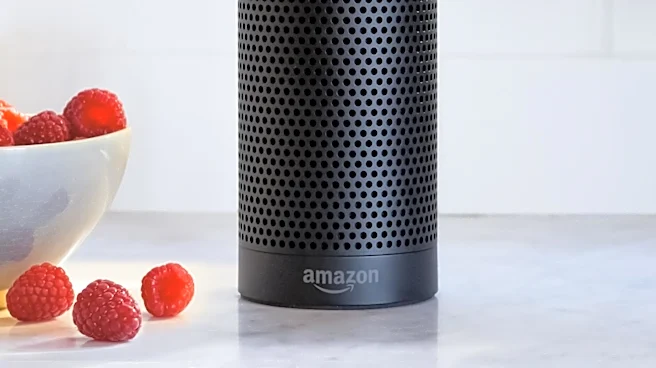
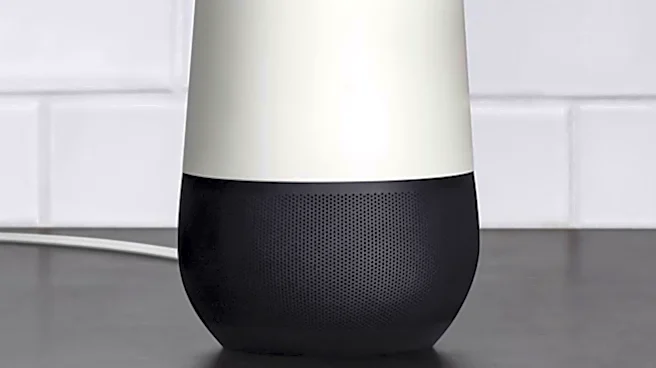
The integration of smart motorization and advanced material engineering in blackout fabric roller blinds has significant implications for the U.S. home furnishings and smart home technology industries. This development enhances energy efficiency by providing superior light and temperature control, which can lead to reduced heating and cooling costs for homeowners. The ability to integrate with smart platforms like Apple Home, Google Home, and Amazon Alexa makes these products highly appealing to tech-savvy consumers, driving demand in the smart home market. For businesses, this represents an opportunity to innovate and differentiate products, offering premium solutions that combine aesthetics with advanced functionality. The focus on light gap elimination and precise control also addresses common consumer pain points, improving overall user satisfaction and potentially increasing market share for manufacturers and retailers in this sector. This trend also supports the broader movement towards automated and connected living spaces.
What's Next?
The trend towards smart and highly functional home furnishings is expected to continue, with further advancements in material science and connectivity. Consumers can anticipate more seamless integration of blackout blinds with existing smart home ecosystems, offering more sophisticated automation and personalized control options. Future developments may include enhanced sensor technology within the blinds themselves, allowing for adaptive responses to changing light conditions or occupancy. The industry will likely see continued innovation in eco-friendly and sustainable materials for blackout fabrics, aligning with growing environmental consciousness. Manufacturers will also focus on improving the ease of installation and calibration for motorized systems, making these advanced solutions more accessible to a wider audience. The expansion of network protocols and interoperability standards will further solidify the position of smart blinds as a staple in modern smart homes.
Beyond the Headlines
Beyond the practical benefits, the evolution of blackout fabric roller blinds into smart, integrated systems reflects a broader societal shift towards convenience, personalization, and environmental consciousness in home design. The ability to precisely control light and privacy with minimal effort contributes to enhanced well-being and comfort, transforming living spaces into more adaptive and responsive environments. This technological advancement also raises questions about the future of home automation and the increasing reliance on interconnected devices. As homes become 'smarter,' the ethical implications of data collection and privacy within personal spaces may become more prominent. Furthermore, the emphasis on energy efficiency through advanced material engineering highlights a growing awareness of sustainable living, pushing the industry towards more responsible production and consumption practices. This signifies a move towards homes that are not only aesthetically pleasing but also intelligently designed for optimal living.