





What's Happening?
Beverage companies are increasingly investing in drinks designed for hydration, energy, and nutrition throughout the day, a trend referred to as the 'afternoon economy' by Verlinvest, a global consumer investment firm. This shift is driven by consumer demand
for beverages that serve multiple purposes beyond traditional consumption times. Companies like Oatly and Vita Coco are part of this movement, offering products that cater to these evolving consumer preferences. The trend includes a variety of options, from energy drinks to hydration-focused beverages, targeting different consumer needs such as gentle caffeine boosts or enhanced hydration. Large consumer packaged goods companies are also entering this space, with products like Capri Sun Hydrate and Tropicana Hydrate, indicating a significant shift in the beverage industry towards functional hydration.
Why It's Important?
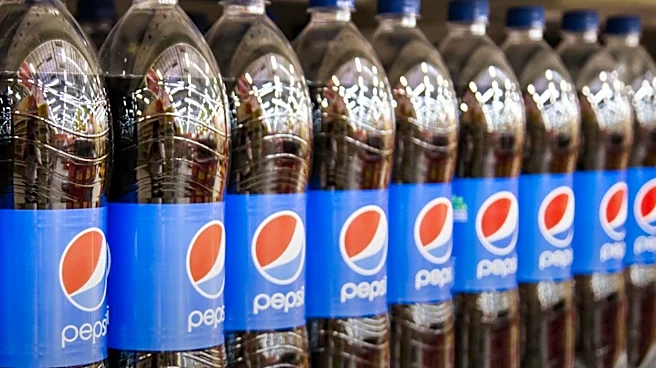
The growing focus on functional beverages reflects a broader shift in consumer behavior towards health and wellness. This trend has significant implications for the beverage industry, as companies must innovate to meet the demand for products that offer tangible health benefits. The introduction of hydration powders and electrolyte-infused drinks by major brands like PepsiCo and Unilever highlights the potential for growth in this sector. As consumers become more health-conscious, the success of these products could lead to increased market share for companies that effectively address these needs. This shift also presents opportunities for new entrants and smaller brands to capture niche markets within the functional beverage category.
What's Next?
As the trend towards functional beverages continues, companies are likely to expand their product lines to include more innovative options that cater to specific consumer needs. This could involve the development of new flavors, ingredients, and packaging formats to enhance convenience and appeal. Additionally, the success of these products in the U.S. market may influence global trends, with companies like Verlinvest monitoring U.S. developments for potential expansion into European markets. The ongoing evolution of consumer preferences will require companies to remain agile and responsive to maintain competitiveness in the rapidly changing beverage landscape.